
Last updated October 17, 2026
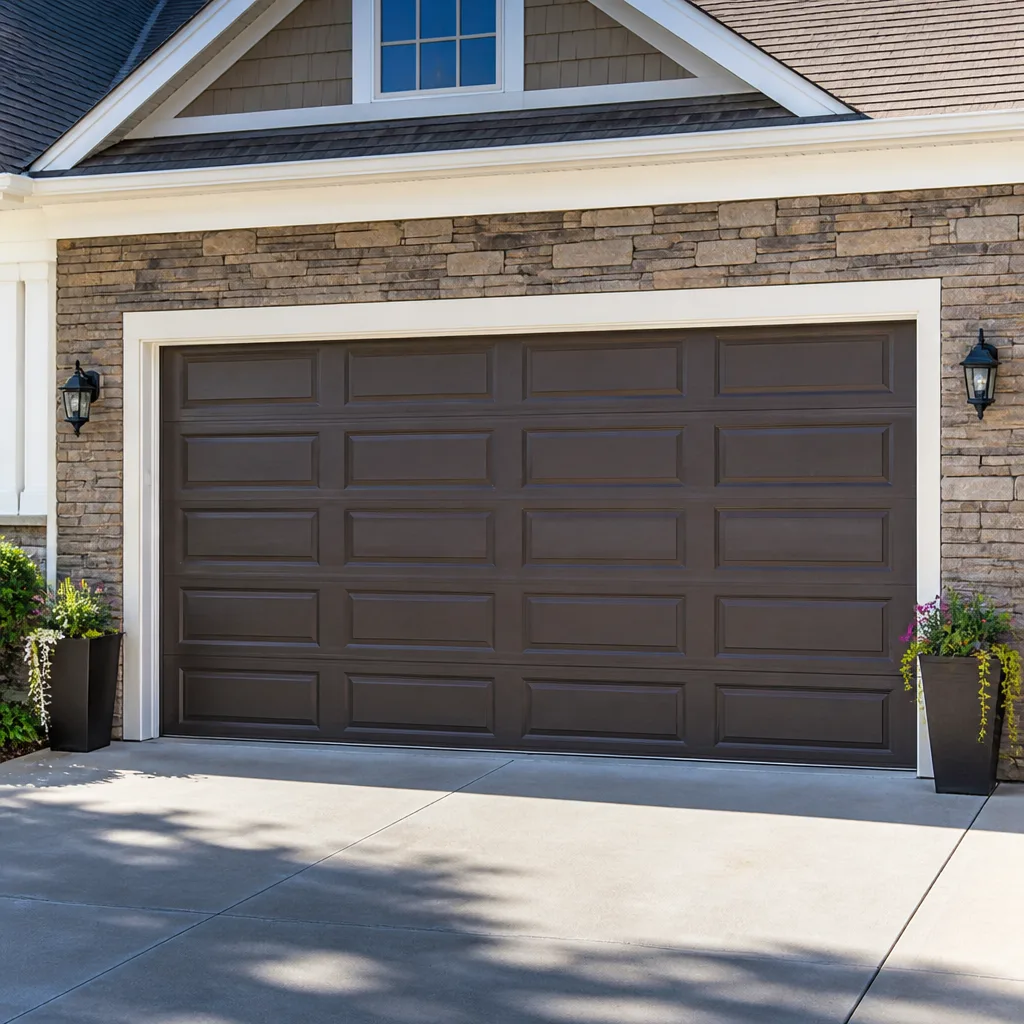 Raised-panel steel
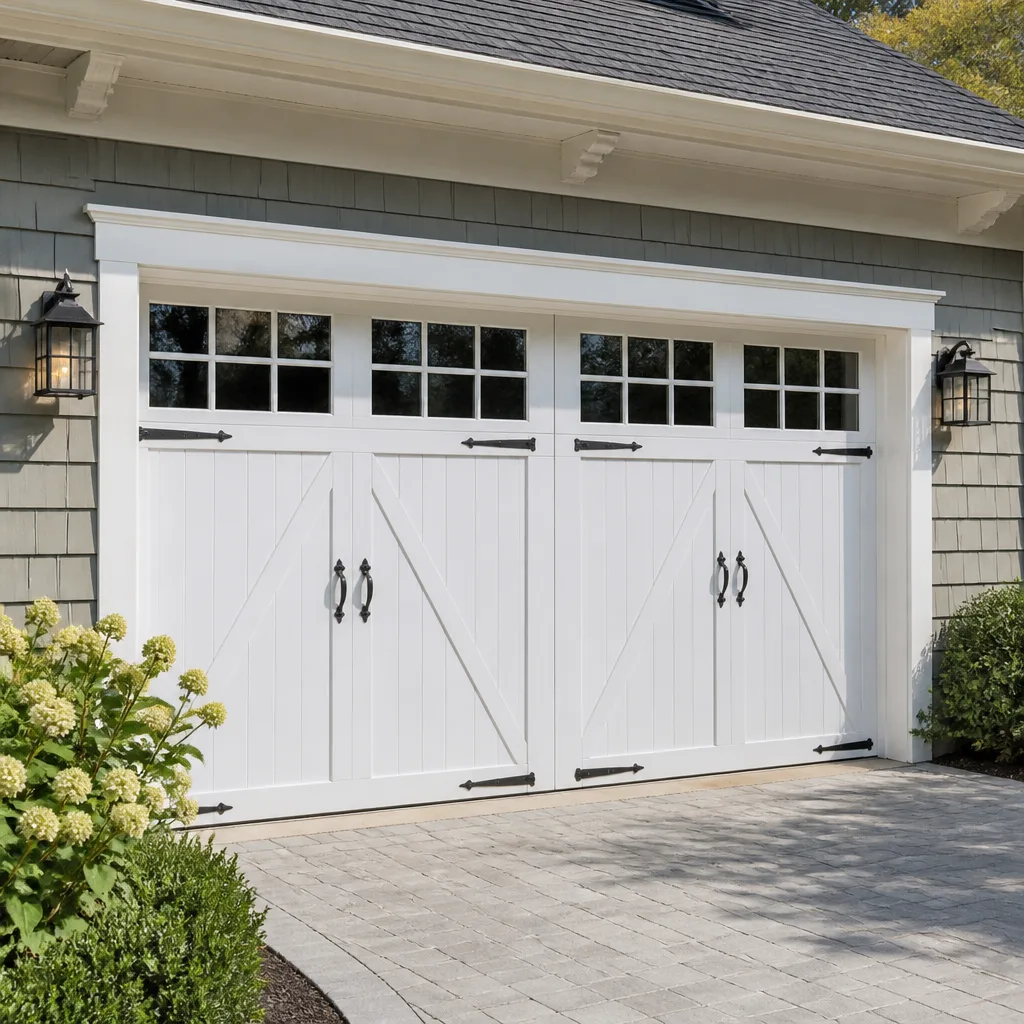 Carriage house
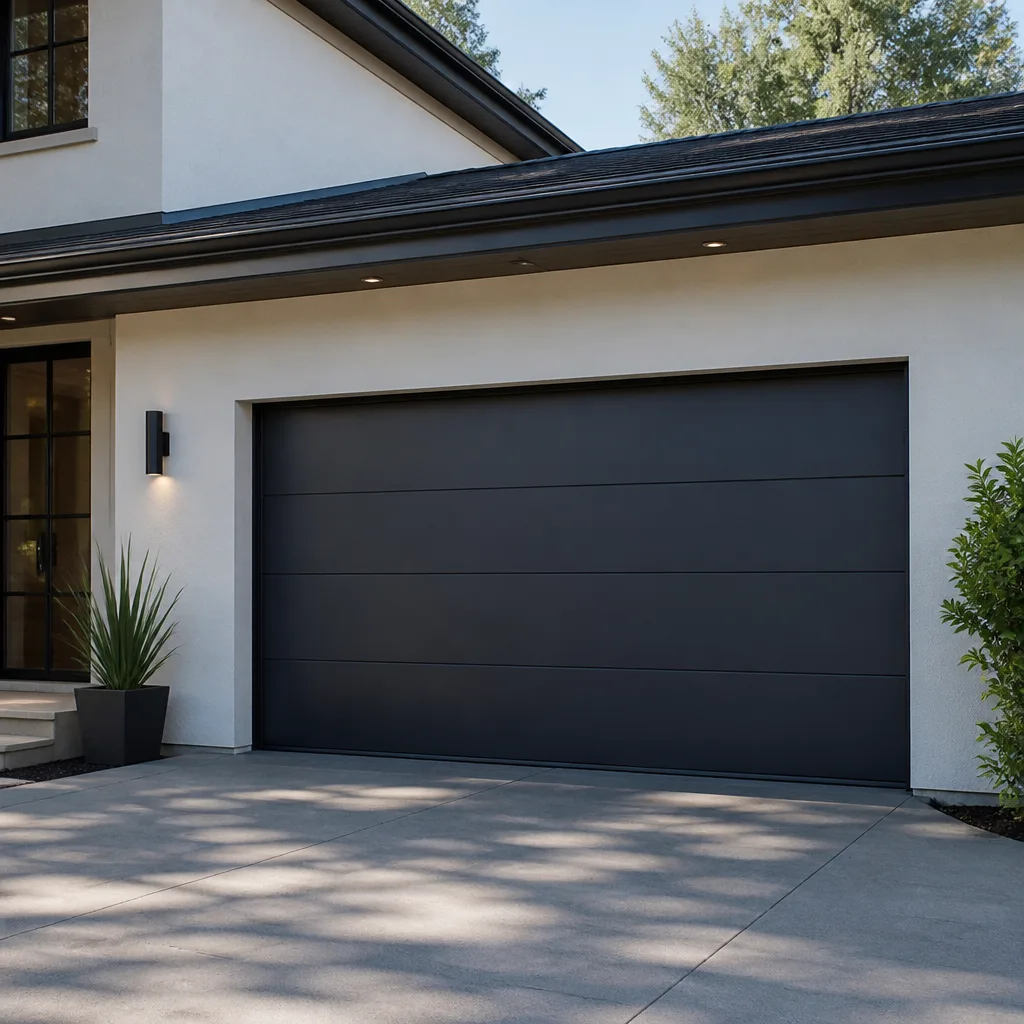 Modern flush
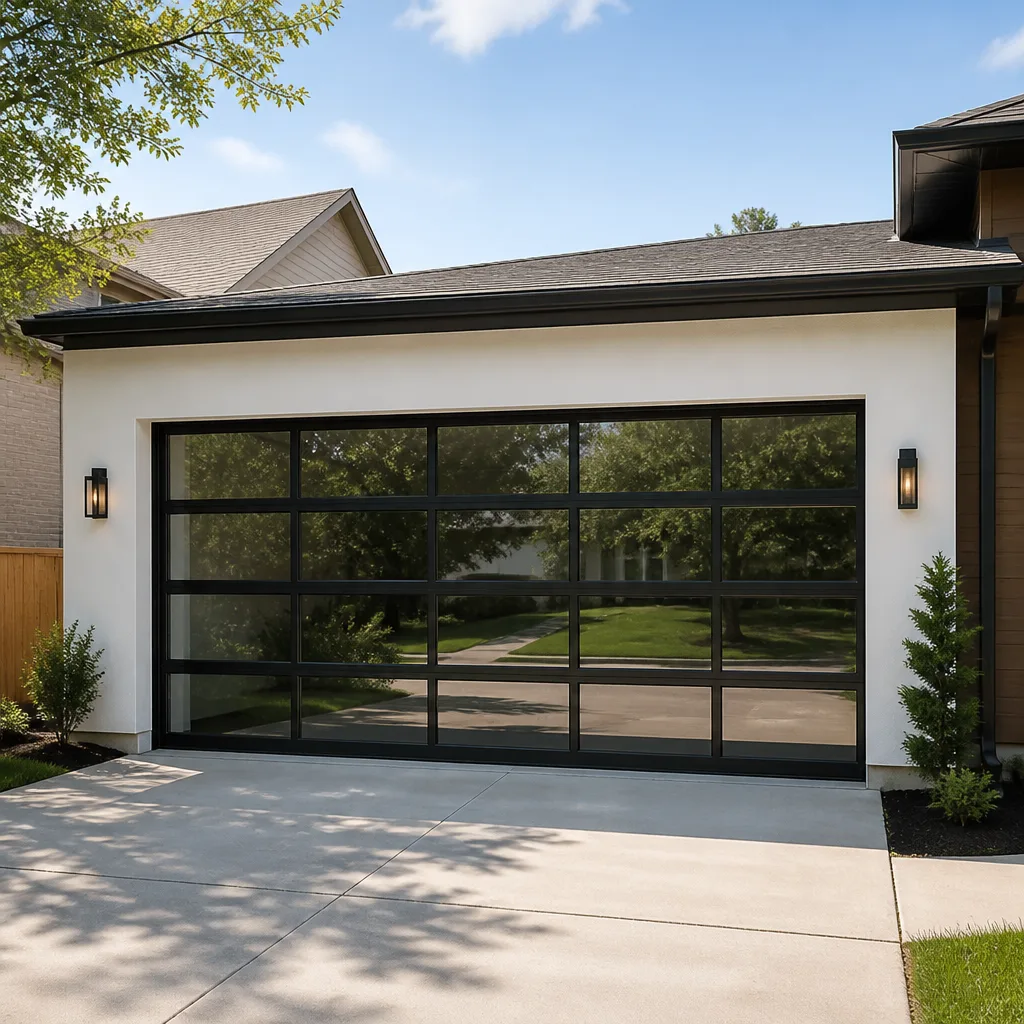 Full-view glass
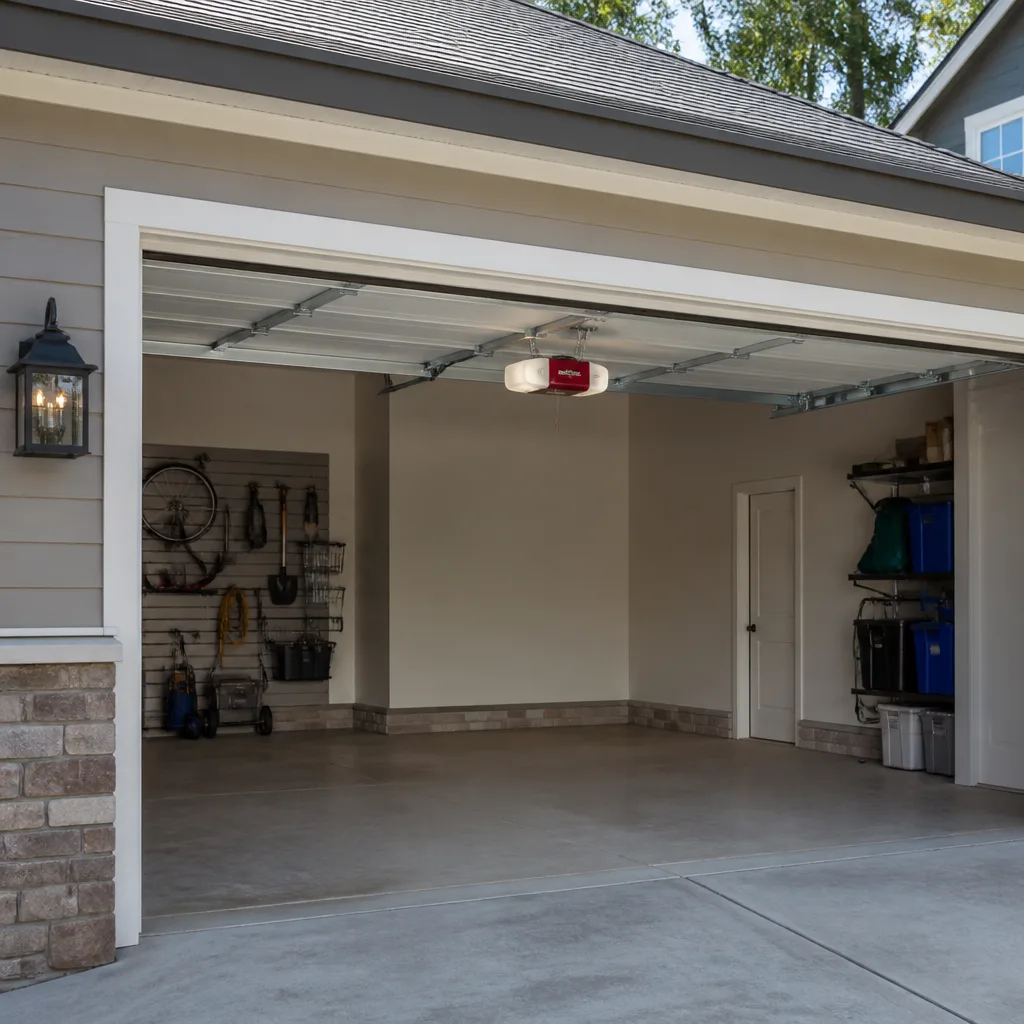 LiftMaster openers
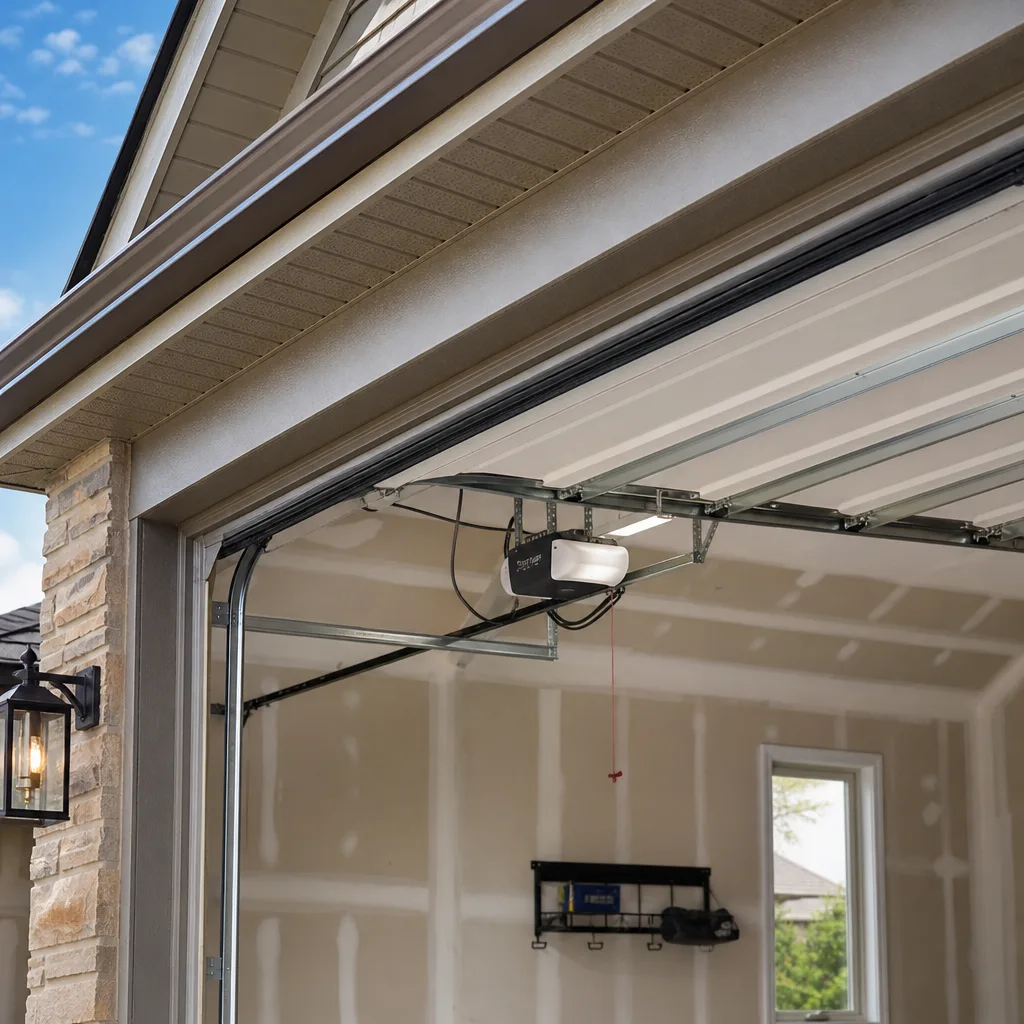 Chamberlain openers
Full 25-point door and opener safety check with every visit - springs, cables, rollers, tracks, and your LiftMaster or Chamberlain opener included
You get a price before we start. It does not change when the truck arrives.
Get your free estimateThe Complete Guide to Garage Door in Fort Worth
The garage door covers roughly 30% of a home’s front-facing wall, yet most Fort Worth homeowners spend more time choosing interior paint colors than they do selecting the door that greets the neighborhood every single day. That’s a strange equation. You’ll repaint a hallway every seven years, but you’ll live with your garage door for fifteen to twenty. This guide walks through everything that matters when you own one here: how North Texas clay soil shifts your door frame, which materials survive hail season, what insulation actually does in a 100-degree July, and how to read a quote so you know exactly what you’re paying for. By the end, you’ll be able to make one careful decision instead of three rushed ones.
Quick Answer
A garage door in Fort Worth is the largest moving component of your home, and the right choice balances three things: a door that opens and closes reliably through North Texas weather, materials that hold up to hail and sun without constant maintenance, and a written price that tells you exactly what labor, hardware, and haul-away cost before any work begins. This guide covers every decision point in that equation, from spring types and opener brands to insulation values and quote reading, so you can choose once and not think about your garage door again for fifteen years.
Styles & brands we work with
Table of Contents
- Why Your Garage Door Is Different in Fort Worth
- Door Materials: What Survives Hail, Sun, and Time
- Insulation R-Values: What the Numbers Actually Mean in North Texas
- Springs, Openers, and the Parts That Do the Work
- How to Read a Written Quote Line by Line
- What DFW Curb Appeal Data Says About Door Style and Resale
- A Maintenance Routine That Fits a Fort Worth Calendar
- Common Mistakes to Avoid
- When to Call a Professional
- Frequently Asked Questions
Why Your Garage Door Is Different in Fort Worth
Every region asks something different of a garage door. In Fort Worth, the two forces that shape your door’s life are the clay soil under your slab and the weather above it. Neither shows up in a catalog photo, and both matter more than the paint color you pick.
Fort Worth sits on expansive clay soil. That soil swells when it rains and shrinks when it dries, and it does both dramatically. A driveway slab can move a quarter-inch between a wet spring and a dry August. When the slab moves, the garage door frame moves with it. Over time, a door that was installed square can go slightly out of square. You’ll notice it first as a door that rubs one side, or a gap at one corner that wasn’t there before. This is a normal Fort Worth condition. We see it across Ryan Place, Wedgwood, and the neighborhoods east of downtown. The fix is usually a track realignment, sometimes new weatherstripping if the gap has let dust in. The point is not to panic when you see it. The point is to know that in this city, a door that binds is often a frame issue, not a door issue.
The second force is the freeze-thaw cycle. Fort Worth gets enough winter nights below freezing to matter. Metal expands and contracts. The thin gap between door sections opens and closes. Hardware loosens a half-turn at a time. A door installed in March sounds different by January, not because anything broke, but because every screw on it has been worked loose by temperature cycling. A once-yearly tightening of hinges, brackets, and track bolts keeps this from turning into a bigger problem. This is also why a maintenance visit in late fall is worth more than one in spring: you’re tightening everything before the cold, not after the damage shows up.
If you’re starting fresh, Garage Door Installation in Fort Worth covers the options from the ground up, including what we check on the frame before the first panel goes in.
Door Materials: What Survives Hail, Sun, and Time
Hail is not an abstract risk in Fort Worth. It’s a spring reality. The question isn’t whether your door will face hail, but whether it will face it with a material that takes the hit or shows it. Here’s how the main materials handle the weather we actually get.
Steel. The most common choice, and for good reason. A 24-gauge or 25-gauge steel door with a factory-applied finish resists hail dents better than thinner 26-gauge or 27-gauge panels. When hail damages a steel door, it’s usually cosmetic dents rather than structural failure. The warranty language matters here. Many manufacturers cover the door against rust-through but specifically exclude hail dents as “acts of nature.” Read that fine print before you buy. A door that costs $200 less upfront may cost $700 more at the first hailstorm if the finish isn’t covered.
Fiberglass. Holds up well to sun fading, which matters on a west-facing door in Fort Worth. But fiberglass is more brittle when it’s cold, and it can crack under a hard hail impact where steel would dent. If your garage faces west and you park a car in it, the sun on a dark fiberglass door also transfers more heat through the panel into the space. Fiberglass is a reasonable choice for a shaded north-facing garage. It’s a poor one for a west-facing door that catches the full afternoon.
Wood and wood composite. The most beautiful option, and the most maintenance-hungry. A solid wood door needs resealing every two to three years in this climate. The Fort Worth sun dries the finish, and the occasional wet spring finds every crack in it. Wood composite, which combines a wood-look surface with a pressed-wood or steel core, splits the difference: it carries the look with less upkeep. Both hail poorly compared to steel. A wood door will show every impact as a dent or a chip, and refinishing hail damage on wood is a week-long project, not a panel swap.
In our experience across Fort Worth, most families end up in a steel door from Amarr or Clopay, chosen for hail resistance first and appearance second. The two aren’t mutually opposed. A steel door with a woodgrain finish gets you most of the look and all of the resilience.
Insulation R-Values: What the Numbers Actually Mean in North Texas
The R-value on a garage door spec sheet measures how well the door resists heat transfer. Higher is better. But the number that matters in Fort Worth isn’t the same number that matters in Minneapolis, and buying the highest R-value you can find is usually paying for insulation you’ll never feel.
What the ranges mean in practice:
- R-0 to R-6 (non-insulated or single-layer steel): A metal door with no insulation layer. On a 100-degree August afternoon, this door becomes a radiator pointed at anything parked inside. If your garage is detached and stores only a lawnmower, this is fine. If it shares a wall with your kitchen, you will feel every degree.
- R-7 to R-11 (polystyrene or light polyurethane core): The practical sweet spot for most attached garages in Fort Worth. It takes the edge off the heat, keeps the garage maybe 15 degrees cooler than outside, and doesn’t cost you beyond its usefulness. This is the range we recommend for a garage that stores cars, tools, and the occasional weekend project.
- R-12 to R-18 (thick polyurethane core): This is where you go only if the garage is a conditioned space: you’ve got a home gym in there, a workshop you use in August, or a room directly above the garage that stays warm. The added cost is real. The benefit below R-16 is hard to feel in a North Texas garage that isn’t cooled.
The second thing insulation does is stiffen the door. An insulated door is quieter when it moves, holds its shape better against the wind, and dents less easily in small hail. Sometimes the reason to buy an insulated door has nothing to do with temperature. It’s about the solid thunk of a door that doesn’t rattle in a March windstorm.
One more Fort Worth-specific note: the west-facing garage. If your garage door faces west and you use the garage as anything more than parking, add about R-3 to whatever you were planning to buy. The afternoon sun is the hardest load your door will carry all year.
Springs, Openers, and the Parts That Do the Work
The door panel is what you see. The springs are what move it. Here’s what you need to know about the working parts, because the working parts are where most Fort Worth service calls actually begin.
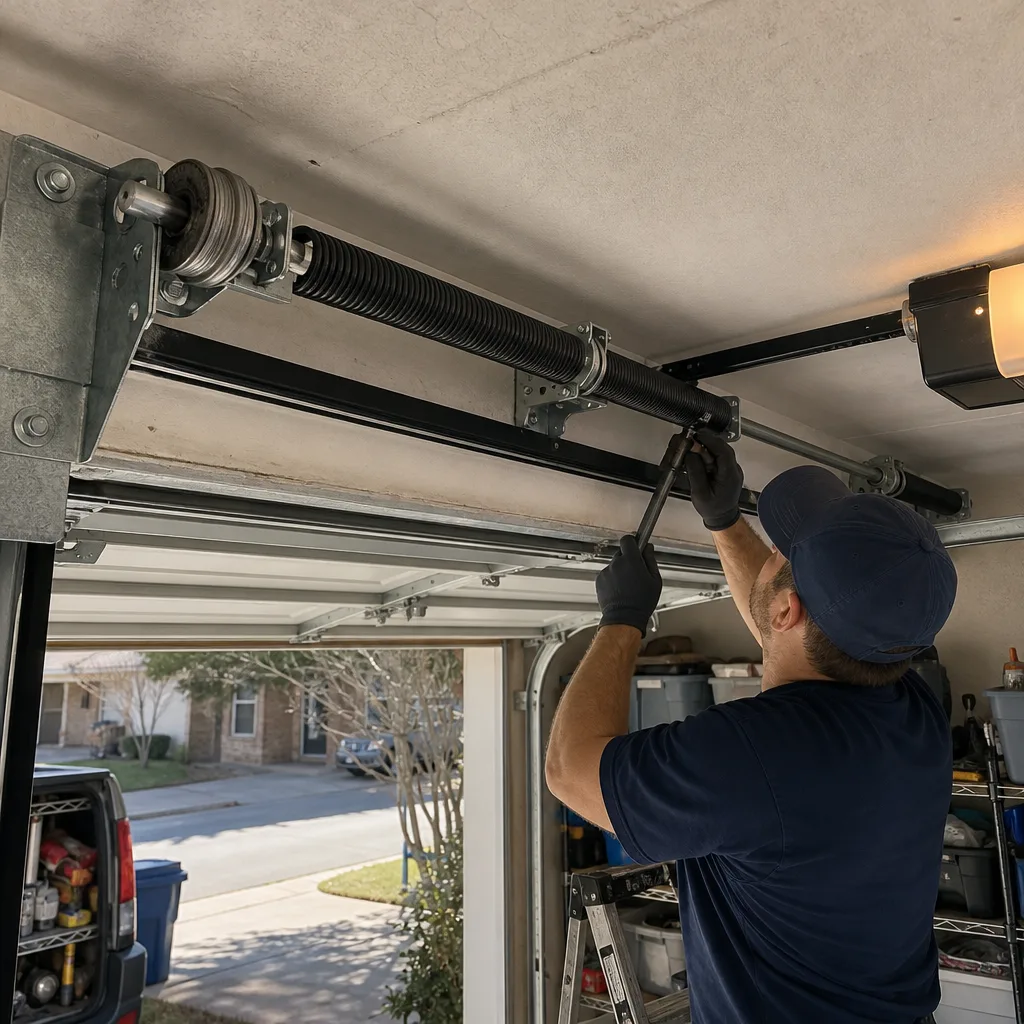
Torsion springs sit above the door and do the heavy lifting. They’re rated in cycles: one cycle is one full open-and-close. A standard spring is rated for about 10,000 cycles, which in a two-car household is roughly seven to nine years of normal use. When a spring fails, the door becomes dangerously heavy to lift manually. You’ll hear the snap, usually at the worst possible time. Garage Door Spring Repair in Fort Worth covers what’s involved in replacing a broken spring safely, and why this is never a job to attempt with a screwdriver and optimism. The tension stored in a wound torsion spring is enough to break bone. We say that plainly because it’s true and because a cautious homeowner who knows the risk is less likely to try a shortcut.
Extension springs run along the horizontal tracks on older and lighter doors. They work the same way, store the same kind of tension, and deserve the same caution. Fort Worth homes built before 1990 commonly still have extension springs on their original garage doors. If yours does, and the door was installed with the original hardware, a spring replacement is overdue by years.
Openers. The brands that hold up in our experience are LiftMaster and Chamberlain, with Genie as a solid third. The opener’s job is to move the door, but it can only move a door that’s balanced. An opener that strains, grinds, or reverses halfway is usually reacting to a door that’s out of balance, not failing on its own. If you replace an opener without checking the spring balance first, you’ll replace the opener again soon. Garage Door Repair in Fort Worth starts with the balance check, because that’s the diagnosis that prevents repeat repairs.
The parts list to understand:
- Springs: the muscle. Replaced by type, size, and cycle rating, not by brand.
- Cables: the safety lines. If a cable frays, stop using the door and call someone.
- Rollers: the wheels in the track. Nylon rollers are quieter; steel lasts longer in dusty conditions.
- Hinges and brackets: the joints. They loosen over time in Fort Worth’s temperature swings.
- Weatherstripping: the seal along the bottom and sides. It dries and cracks in the summer heat, and replacing it keeps dust, rain, and June bugs out.
We train our technicians on eight major brands: LiftMaster, Chamberlain, Genie, Clopay, Amarr, Wayne Dalton, Craftsman, and Raynor. That’s so the diagnosis is brand-informed rather than brand-limited. A Wayne Dalton door with a Clopay-matching spring is still just a door. The principles don’t change.
How to Read a Written Quote Line by Line
A written quote is a promise. The way it’s written tells you how the company thinks about its promises. Here’s how to read one so you know what you’re agreeing to, whether it’s from Fernbrook or anyone else in Fort Worth. For permits, codes & inspections in TX, requirements vary by municipality.
- Look for separate labor and parts lines. A quote that says “garage door spring replacement: $450” with no breakdown is a bundle. Bundles hide margin. A proper quote separates the spring itself, the labor to install it, and any additional hardware. When the lines are separate, you can verify each one. When they’re bundled, you can’t verify anything.
- Check for the haul-away line. If you’re replacing a door, the old door has to go somewhere. Most companies charge to haul it. Some bury that charge inside the door price. A transparent quote breaks out haul-away as its own line item, even if it’s $0. That’s the way to know it’s not hidden.
- Ask about the hardware line. Springs wear out. So do rollers, hinges, and cables, often at the same time. A quote that replaces only the spring and ignores a worn roller is quoting the minimum, not the right repair. Look for a hardware line that says exactly what’s being replaced and why.
- Read the warranty language. Does the quote say what happens if the repair fails? How long is it covered? Who pays for the part? A warranty that lives in the quote is real. A warranty that lives in a verbal promise is not.
- Confirm the total before work starts. The total on the quote should be the total on the invoice. No change orders, no “we found something else,” no adjustments after the fact. If a company can’t commit to a number in writing, the number will change.
Every Fernbrook job starts with a written price delivered before any work begins. Not a range, not an estimate we’ll refine later. A number. If the job changes mid-repair, the new number gets written down and agreed to before we touch the new work. The invoice and the quote match. That’s the standard, not the exception.
What DFW Curb Appeal Data Says About Door Style and Resale
The national remodeling data puts a garage door replacement at roughly a 94% return on investment at resale, which is one of the highest recoveries of any home improvement. The Dallas-Fort Worth data trends a bit lower, around 88-92%, because Texas buyers have more new builds to choose from and a slightly lower sensitivity to dated exteriors. But the pattern holds: a new garage door pays for itself at sale better than a kitchen update does.
What the DFW-specific data doesn’t tell you is which door actually moves a buyer in the neighborhoods where the older housing stock dominates. In our experience working across Fort Worth, here’s what tracks:
- Carriage-house styling is the safest upgrade in established neighborhoods like Mistletoe Heights, Berkeley Place, and the historic districts around downtown. A steel door with a carriage-house look reads as “kept up” without looking out of place next to a 1930s brick front.
- Full-view or glass-heavy doors play best in contemporary builds, but they fight the Texas sun. A west-facing full-view door in Fort Worth will cook whatever is behind it. If the style is non-negotiable, budget for the insulated glass option.
- Color carries more weight here than in other markets. Sun fading is aggressive, so a 10-year-old door in Fort Worth looks 15 years old. A fresh door in a color that matches the front door or the shutters makes the whole house look repainted. Buyers notice the door before they notice the roof.
If resale value is part of your thinking, the move is not to overbuy. The move is to replace a faded, dented, or dated door with a mid-range steel door in a current finish. You recover most of your cost, and you make the front of the house look cared for while you still live in it. That’s the actual return: the years you get to enjoy it before the sale.
A Maintenance Routine That Fits a Fort Worth Calendar
A garage door doesn’t ask for much. Six steps, twice a year, keeps most Fort Worth doors running for a decade or more beyond their expected life. Here’s the routine we suggest, timed to the two seasons that matter in North Texas:
- Late October, before the first hard freeze: Tighten every bolt, hinge, and track bracket. Temperature cycling works everything loose over spring and summer.
- Check the balance. Pull the release handle and lift the door manually to waist height. It should stay put. If it drifts down or springs up, the springs are out of adjustment. That’s a service call, not a DIY task.
- Inspect the weatherstripping. Look for cracks, gaps, and dry rot along the bottom seal. Fort Worth dust storms in late winter will find every gap and fill your garage with a fine layer of red dirt.
- Lubricate the moving parts. White lithium grease on the hinges and rollers, a garage-door-specific spray on the spring. You don’t need WD-40. If you have pets that spend time in the garage, look for a pet-safe lubricant and mention it to any technician who works on your door.
- Late April, after the first hailstorms: Wash the door with mild soap and water, then inspect the panels for dents, scratches, and finish damage. Touch-up paint on steel prevents rust in the humid May weeks that follow.
- Test the auto-reverse safety feature. Place a roll of paper towels in the door’s path and close it. The door should reverse on contact. If it doesn’t, stop using it and make the call. This test takes 30 seconds and protects kids, pets, and anything else that wanders under the door.
None of this requires special tools or training. What it requires is a calendar reminder. In our experience, the Fort Worth homeowners who do this twice a year almost never see a surprise repair bill. The ones who don’t see us three times in a decade instead of once.
Common Mistakes to Avoid
- Picking a door by looks alone. A west-facing garage in Fort Worth will age a dark, non-insulated fiberglass door in five years. Pick the material for your orientation first, then the color.
- Ignoring the slab. If your driveway is cracked or visibly unlevel, have the frame checked before you install a new door. A new door on a shifted frame will bind within two years.
- Skipping the balance check. Replacing an opener when the springs are tired solves nothing. The new opener will strain against the same imbalance and fail early.
- Buying the highest R-value as a point of pride. Insulation beyond R-16 in a North Texas garage is money spent on spec-sheet bragging rights. Buy for how you use the space, not for the number.
- Not reading the hail exclusion in the warranty. It’s the single most common surprise in a Fort Worth door purchase. Read the warranty before you sign the order.
- Hiring on price without a written quote. The cheapest door quote in Fort Worth usually isn’t. It’s a door quote with the hardware, haul-away, and labor adjustments hidden until the invoice shows up.
When to Call a Professional
You don’t need a professional to wash the door, check the weatherstripping, or run the auto-reverse test. You do need one when the springs snap, when the cables fray, when the door comes off its track, or when the door won’t balance no matter what you adjust. See our DIY vs Professional guide for the full line. Springs and cables store enough tension to hurt someone, and the fix is never worth the risk. If the door is making a sound you can’t identify, if it’s shaking on the way up, or if it simply won’t move and the opener is clicking, that’s also the time to call rather than troubleshoot. Fernbrook Garage Doors Fort Worth offers free estimates in Fort Worth, and a live person answers the phone 24 hours a day, 7 days a week, at (682) 354-9140. No voicemail. No callbacks on Monday for a Friday problem.
Frequently Asked Questions
On average, a single steel garage door installed in Fort Worth runs about $900 to $1,600 depending on size and insulation level, and a double door typically lands between $1,400 and $2,500 before any custom options like glass panels, carriage-house trim, or a higher-end color finish. The largest variables in our market are the door’s insulation R-value, the gauge of the steel, and whether the old door needs extra labor to remove and haul away. A written quote from a reputable Fort Worth installer should break out the door, the labor, the hardware, and the haul-away as separate lines. Call (682) 354-9140 for an exact quote; every Fernbrook estimate is free and delivered in writing before any work starts.
With proper maintenance, a steel garage door in Fort Worth lasts 15 to 20 years, with springs replaced every 8 to 10 years as a normal wear item. The climate shortens that lifespan if the door is neglected. Sun fades the finish, hail dents the panels, dust works into the rollers, and temperature swings slowly loosen the hardware. A maintained door in a shaded north-facing garage can outlive the house’s roof; an unmaintained west-facing door can look tired at eight years. The number one thing you can do for longevity is the twice-yearly routine: tighten, lubricate, and inspect.
Yes, a broken torsion spring is a same-day repair in Fort Worth if parts are available, and most of the common spring sizes are stocked on our trucks. The visit runs about an hour in most cases: remove the old spring, install the new one, balance the door, and test the full open-close cycle. If the job involves a less common spring size, we order it and schedule as soon as it arrives. Call (682) 354-9140 and a live person will confirm same-day availability before you book.
Yes, in most cases hail damage to a garage door is covered under the dwelling portion of your homeowner’s policy, but the deductible applies just as it does for a roof, and many Fort Worth policies carry a separate wind and hail deductible that can be 1% to 2% of the home’s insured value. The practical question is whether the repair cost clears that deductible. A dented panel that needs replacement often runs between $300 and $800, which is below many Fort Worth deductibles. If you file, document the damage with photos before any repair. We can provide a written damage assessment to support your claim, and we’ll tell you honestly if the repair won’t clear the deductible.
It’s usually the clay soil, not the door itself. Fort Worth’s expansive clay swells and shrinks with rainfall and drought, and over a wet spring or dry summer the garage slab can shift by a fraction of an inch. That shift moves the door frame, which makes the door rub against the track or sit slightly out of square. The fix is a track realignment, and sometimes new weatherstripping if the shift opened a gap. If you notice the door binding in August or after a stretch of heavy rain, it’s worth having the alignment checked and the track adjusted. That’s a routine call in our service area, not a sign that the door is failing.
Start with the simple checks: the wall switch, the remote battery, and whether the opener has power at the outlet. If the outlet is tripped, reset the GFCI. If the remote works but the wall switch doesn’t, the issue is likely a short in the wall button; if the wall switch works but the remote doesn’t, replace the remote battery and reprogram it if needed. If the opener clicks but the door doesn’t move, stop pressing the button: that’s usually a broken spring or a stripped gear, and pressing the button repeatedly can burn out the motor. At that point, call Fernbrook. Our technicians diagnose the issue on site, quote the repair in writing before starting, and carry parts for most LiftMaster, Chamberlain, Genie, Craftsman, and Raynor openers on the truck.
The Bottom Line
A garage door in Fort Worth is a twenty-year decision hiding inside a 30% share of your home’s street presence. It lives with clay soil, hail season, 100-degree summers, and winter nights that loosen every bolt. The families who get this right don’t buy the cheapest door or the most expensive one. They buy the material that fits their sun exposure, the insulation level that fits how they use the garage, and the written quote that tells them exactly what they’re paying for. Then they maintain it twice a year and stop thinking about it. That’s the whole game. Choose once, choose carefully, and your garage door will outlast three cars and two roofs. For more guides & resources, visit our blog.
Written by Jesse Calder, Owner at Fernbrook Garage Doors Fort Worth, serving Fort Worth since 2002.
See the difference
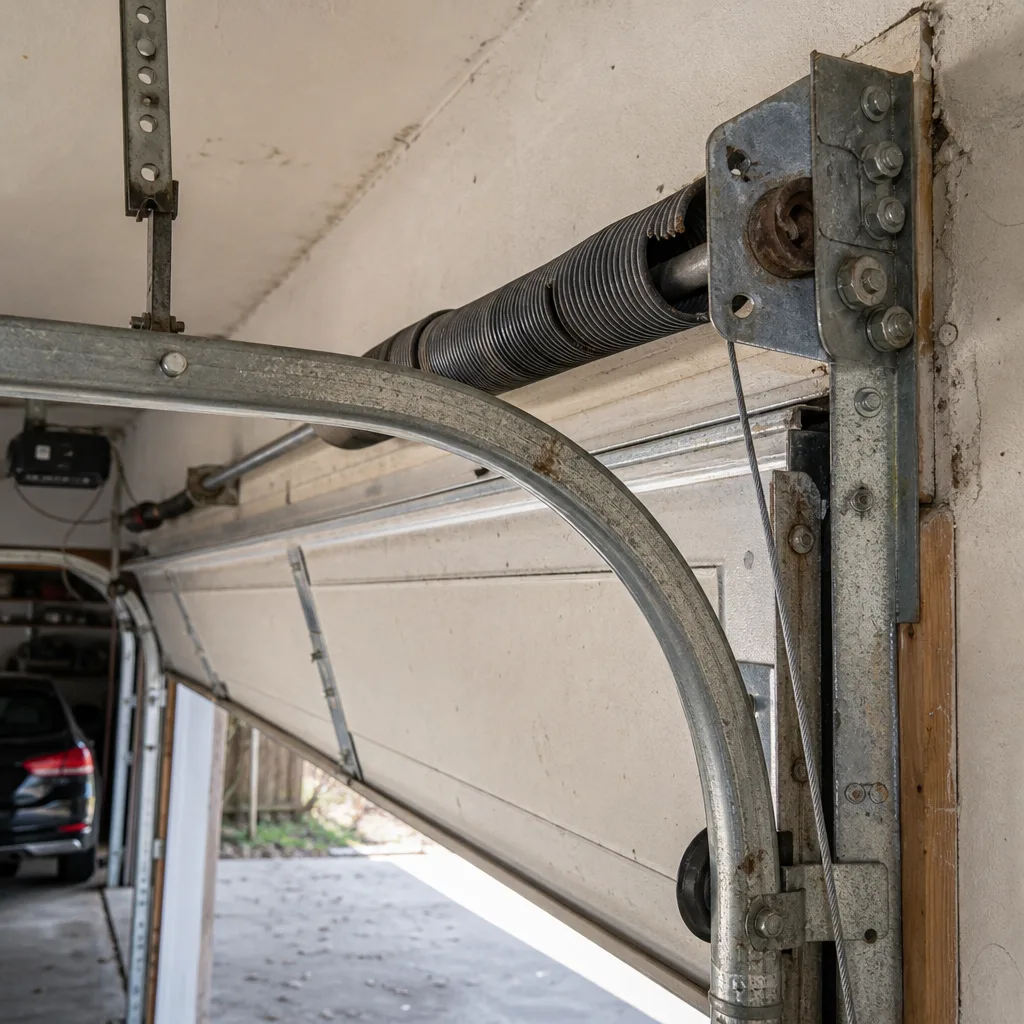 Before
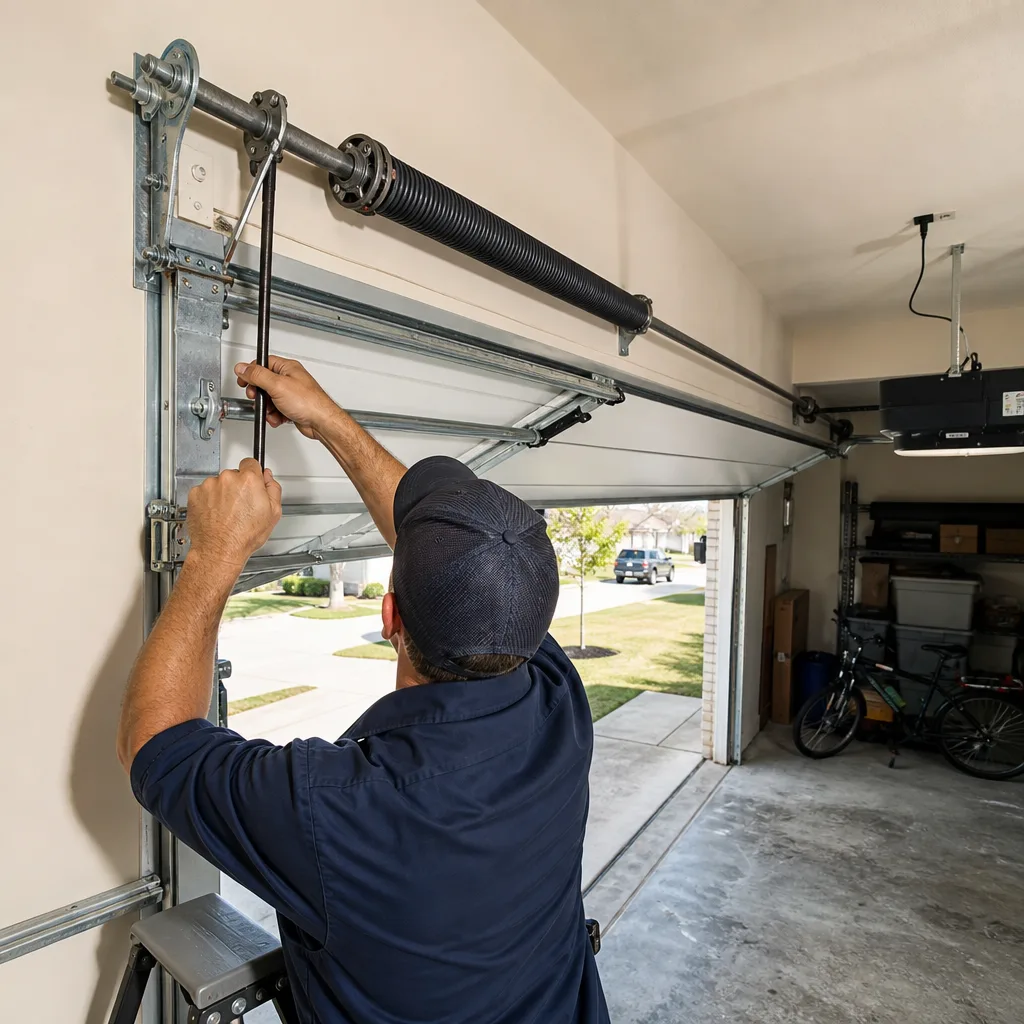 After
After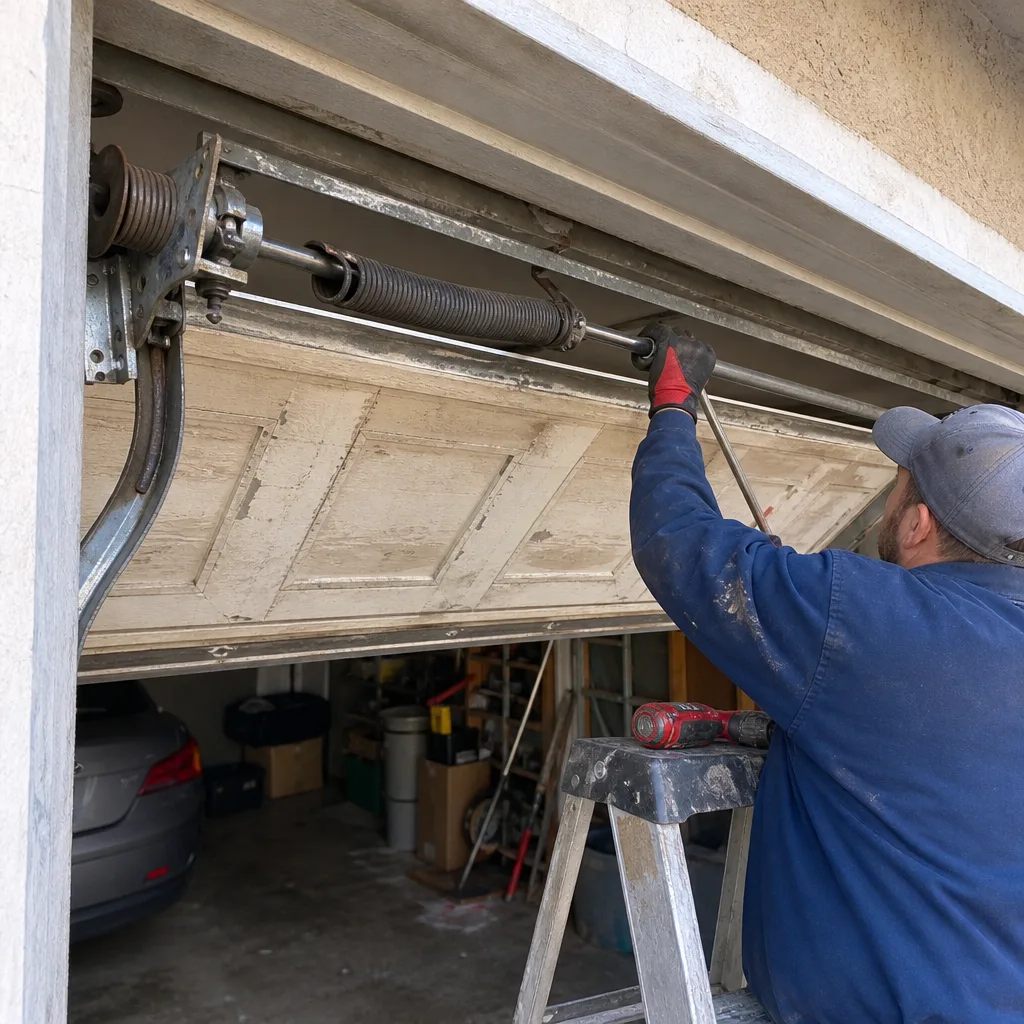 Before
 After
After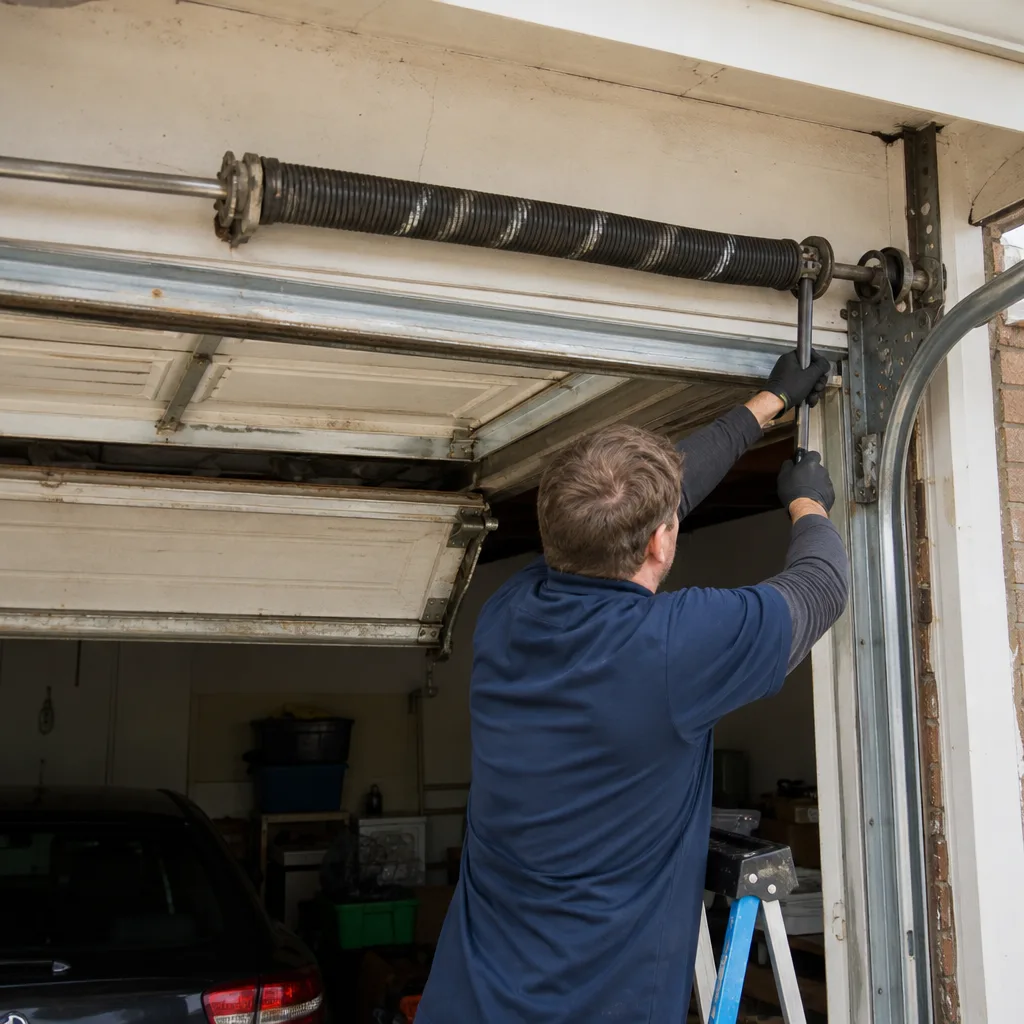 Before
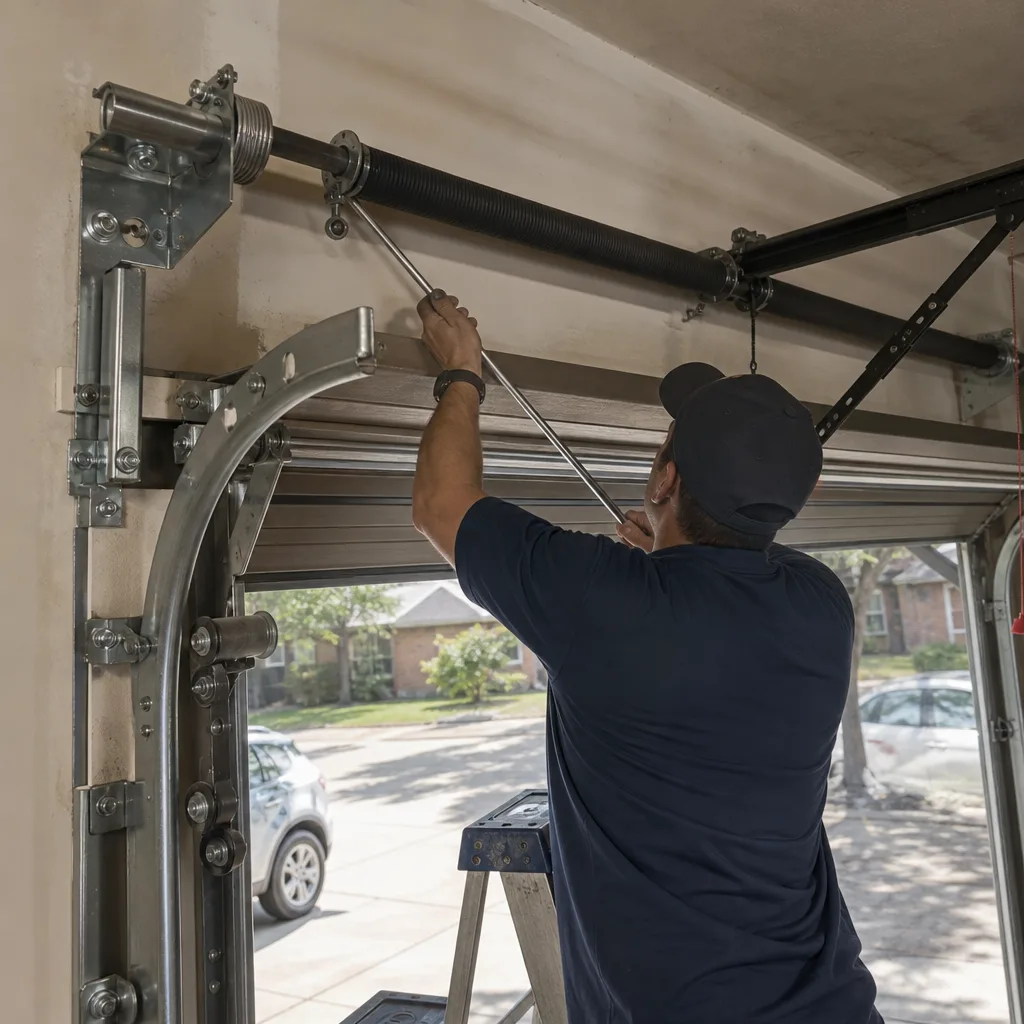 After
After