
Last updated October 17, 2026
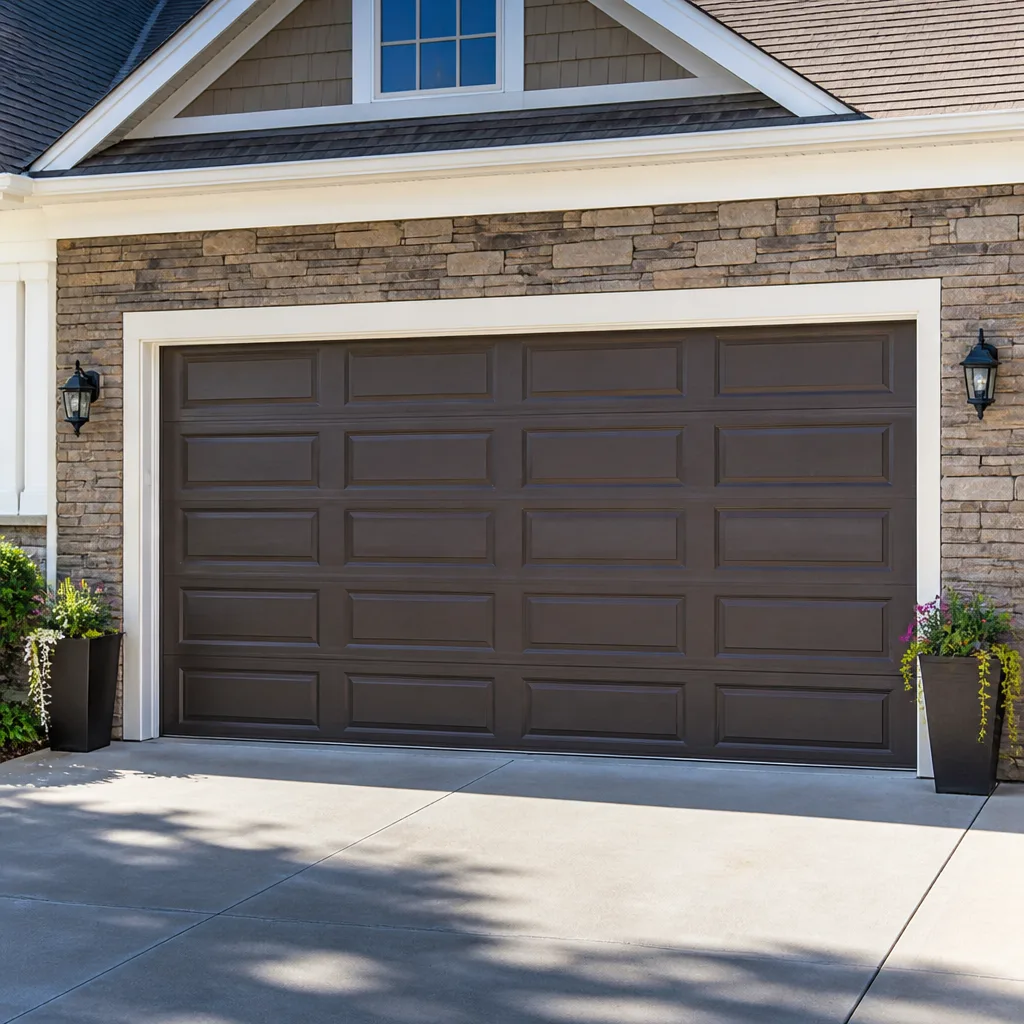 Raised-panel steel
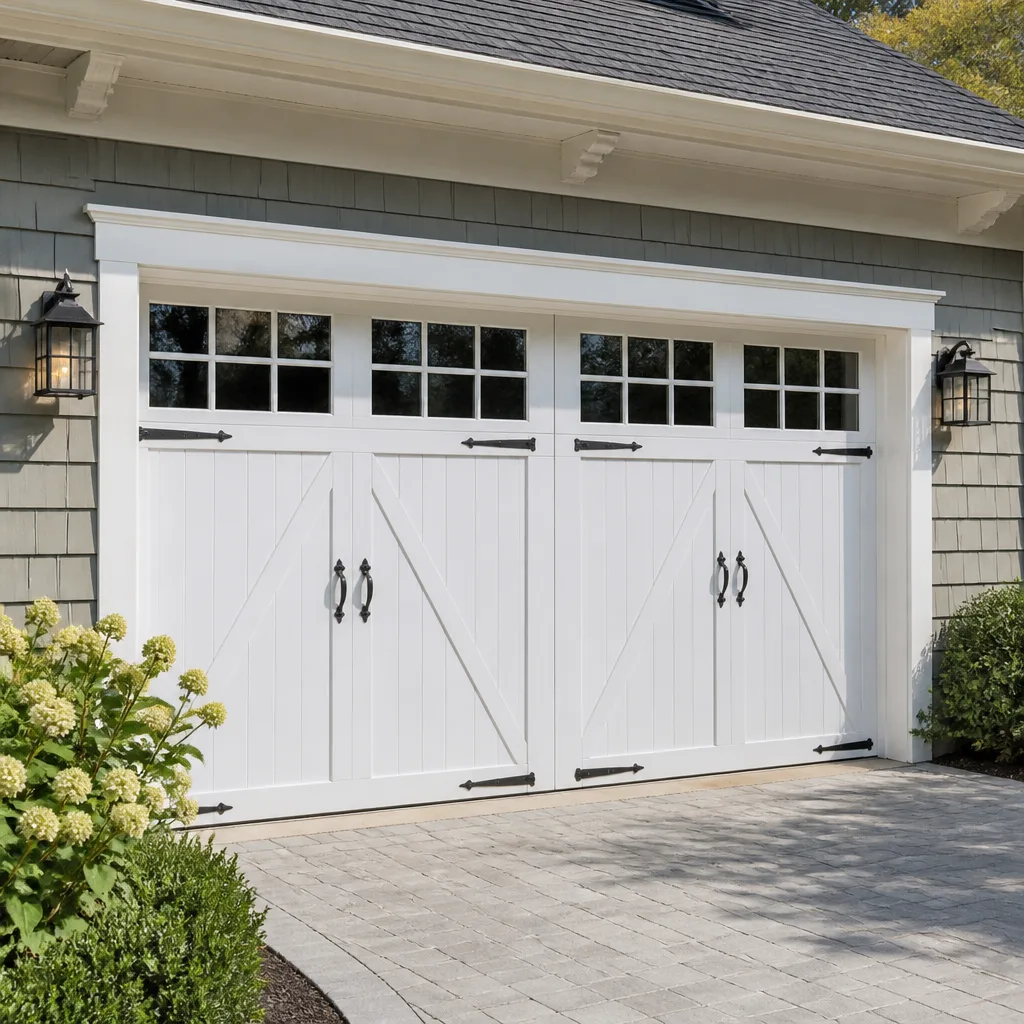 Carriage house
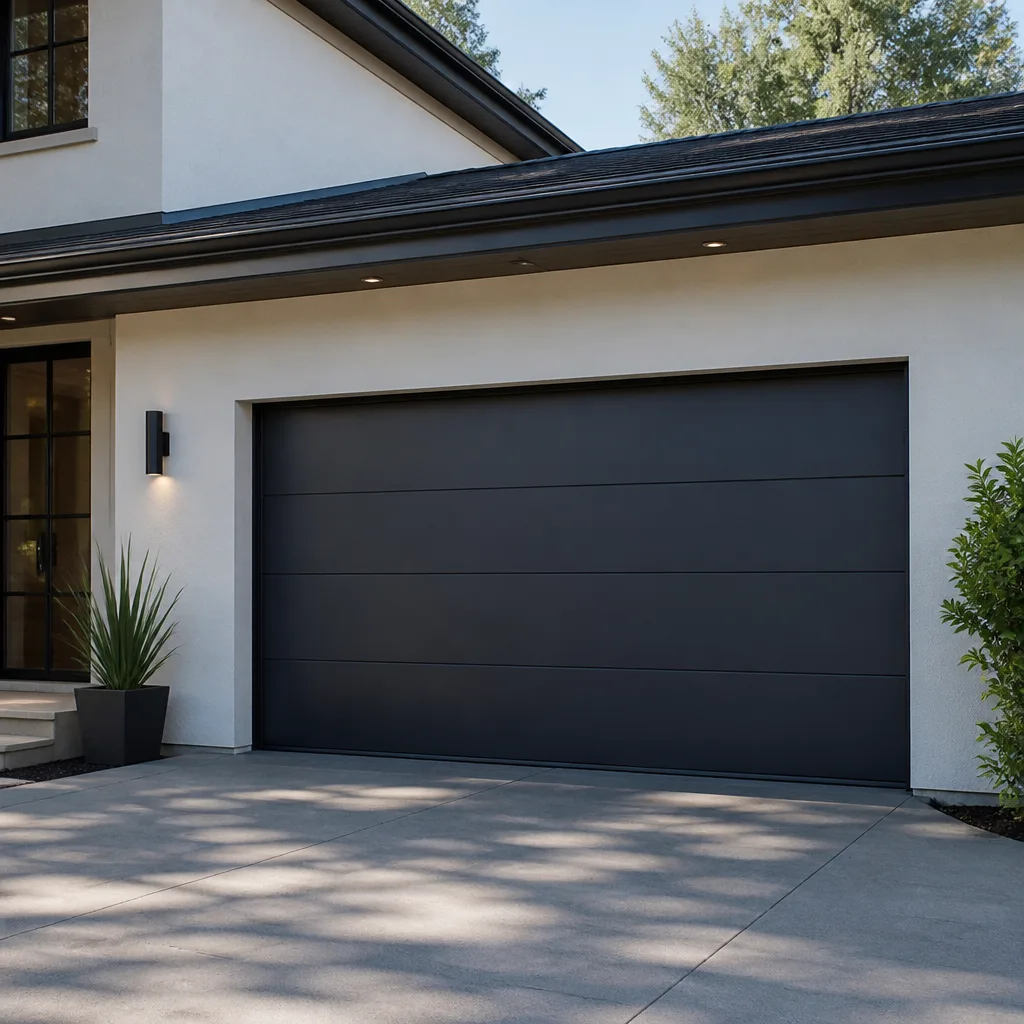 Modern flush
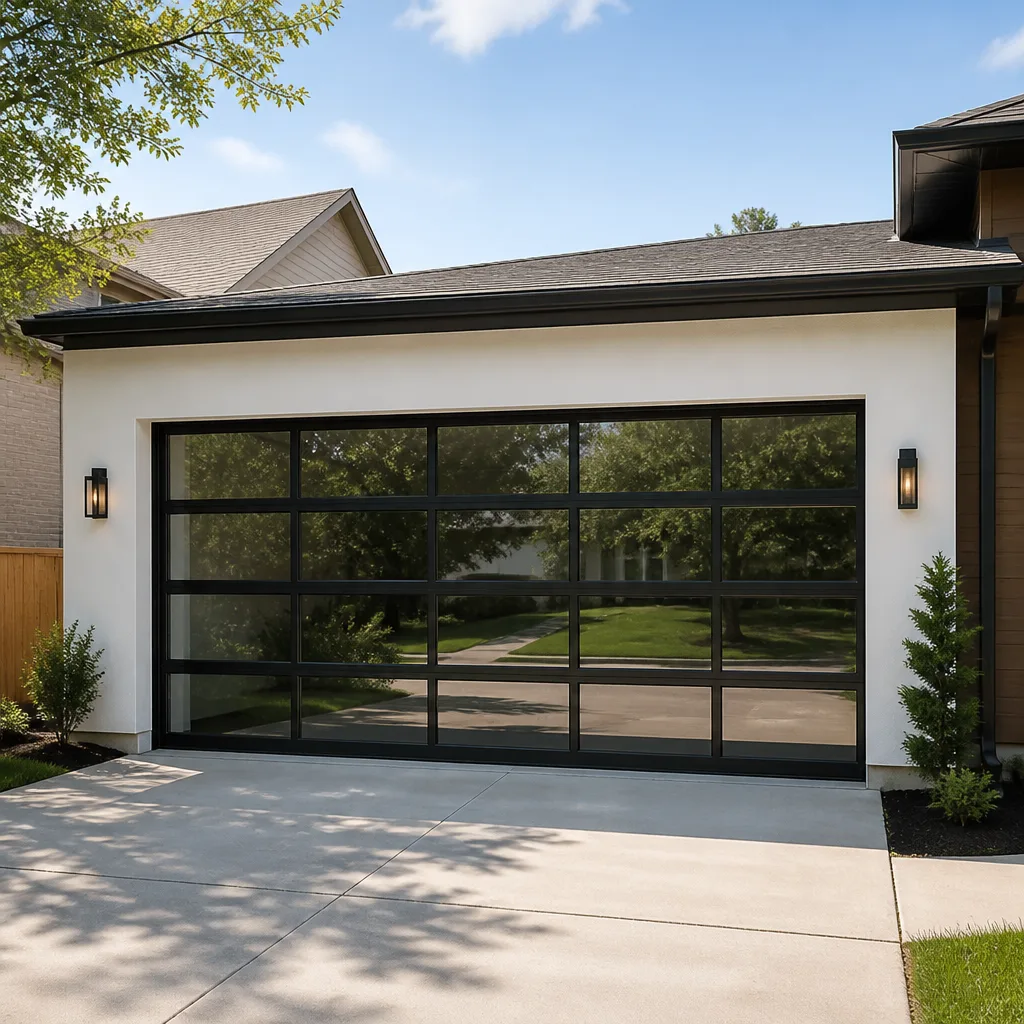 Full-view glass
 LiftMaster openers
 Chamberlain openers
Full 25-point door and opener safety check with every visit - springs, cables, rollers, tracks, and your LiftMaster or Chamberlain opener included
You get a price before we start. It does not change when the truck arrives.
Get your free estimateSeasonal Garage Door Care for Fort Worth: Year-Round Homeowner’s Guide
The February 2021 freeze caught thousands of Fort Worth homeowners with garage doors whose weatherstripping had dried and cracked in the summer heat. A $12 strip inspection in October would have prevented the cold air that froze pipes in garages across the city. Fort Worth doesn’t have four tidy seasons. It has sudden hard freezes after 70-degree weeks, hail in spring, and heat that pushes past 100°F in summer. A garage door care calendar built for those actual conditions looks very different from the generic advice written for temperate climates. This guide covers what to check each month, what the heat actually does to your springs and sensors, and how to document hail damage before you call your insurance company. For The Complete Guide to Garage Door in Fort Worth, see our full resource library.
Quick Answer
The most important seasonal garage door maintenance in Fort Worth is checking your bottom weatherstripping in October before the first freeze, lubricating your springs and rollers every March and September, and recalibrating your auto-reverse sensors after any stretch of 100°F+ days. These three tasks address the specific failure points that North Texas weather creates: UV-cracked seals, heat-stressed torsion springs, and thermal expansion in uninsulated garage doors. Most checks take under 15 minutes and cost less than $30 in materials.
Styles & brands we work with
Table of Contents
- Fort Worth Weather and What It Does to Your Garage Door
- Month-by-Month Care Calendar for Fort Worth
- Summer Heat Above 100°F: Springs, Sensors, and Expansion
- The Weatherstripping That Survives North Texas UV Exposure
- Post-Hail Inspection Steps: Documenting for Insurance
- How Thermal Expansion Affects Auto-Reverse Sensors and How to Reset Them
- Common Mistakes to Avoid
- When to Call a Professional
- Frequently Asked Questions
Fort Worth Weather and What It Does to Your Garage Door
Fort Worth sits in a climate band where the temperature can swing 40 degrees in a single day. That’s not an exaggeration. In January 2023, the metroplex saw a 38-degree drop between 2 p.m. and 10 p.m. on a single Tuesday. Your garage door is a large metal and rubber assembly bolted to the outside of your house, and it expands, contracts, dries, and degrades at a rate that surprises most homeowners.
Here’s what our technicians see most often in Fort Worth:
- Torsion springs lose tension faster in heat. The steel used in torsion springs carries internal stress. Prolonged exposure to 100°F+ temperatures in an uninsulated garage accelerates the microscopic fatigue that eventually leads to spring failure. A spring that would last 10,000 cycles in a mild climate might fail at 7,000 cycles in Fort Worth.
- Rubber components crack from UV, not cold. The bottom seal and perimeter weatherstripping on most garage doors are made from vinyl or rubber compounds that degrade under direct North Texas sun. By October, seals that were installed in April can already show hairline cracks.
- Hail damages panels and bottom seals in ways that are easy to miss. Dents on the panel face are obvious. What’s less obvious is when a hailstone strikes the bottom seal bracket and knocks it slightly out of alignment, leaving a 3/8-inch gap that lets in rain, bugs, and eventually rodents.
- Humidity plus heat creates roller and hinge wear. Fort Worth summers are humid. Combined with heat, that humidity accelerates corrosion on steel rollers and hinge pins. We regularly see rollers from other climates that look new at year five; in Fort Worth, unmaintained rollers can grind and wobble by year four.
The good news is that nearly all of this is preventable with a maintenance rhythm that matches the actual calendar, not the generic “spring and fall” advice you’ll find on national websites. For DIY vs Professional Garage Door: The Fort Worth Homeowner’s Decision Guide, see our breakdown of what you can safely handle yourself.
Month-by-Month Care Calendar for Fort Worth
This calendar is built for what Fort Worth actually does, month by month. If you only do three things on this entire list, do the October weatherstripping check, the March lubricant refresh, and the July sensor recalibration. Those three address the highest-frequency failures we see in this city.
January: Cold Weather Watch
January in Fort Worth means overnight lows that can dip into the 20s with occasional hard freezes. Your garage door doesn’t need much, but you should:
- Check that the bottom seal sits flush against the concrete with no visible daylight. Cold air enters through even a 1/4-inch gap.
- Test the auto-reverse by placing a roll of paper towels under the closing door. It should reverse within two seconds of contact.
- Listen for grinding or popping during a full open-and-close cycle. Cold metal is more brittle, and existing wear shows up more clearly in January.
If you have a garage that shares a wall with the house, keep the door closed unless you are actively using it. An open garage door is a 16-foot-wide hole in your home’s thermal envelope, and the floor of the room above it will feel cold all month.
February: Pre-Freeze Inspection
February is the month of the freeze. It’s also the month where our service calls from Fort Worth homeowners spike, and the pattern is almost always the same: a $12 weatherstrip failed in October, and now the pipes in the garage wall have frozen.
What to do in February:
- Inspect every inch of the bottom seal and side jambs by running your hand along them with the garage light on. Anywhere you feel a draft or see light, mark it with tape and address it.
- Disconnect the opener (pull the red cord) and open the door by hand halfway. It should stay put. If it drifts down, the springs need attention, and a door that droops in February will only get worse in summer.
- Check that the emergency release cord is not frozen or snagged. If you lose power during an ice storm, you’ll need to open the door manually to get a car out.
March: Post-Freeze Assessment and Lubrication
By March, the freeze risk has mostly passed, and the spring rain season is about to begin. This is the best month for a full lubrication and wear assessment.
- Spray a white lithium grease onto the torsion spring coils, the roller bearings, and the hinge pins. Do not use WD-40; it’s a cleaner, not a lubricant, and it strips away the existing protective layer.
- Check for rust on the track and hardware. Surface rust is cosmetic; pitting rust means water is getting in somewhere.
- Tighten all visible bolts and lag screws on the track brackets. Thermal cycling through winter loosens them slightly.
- Test the balance again. Disconnect the opener and lift the door halfway. It should hold position. If it doesn’t, schedule a spring adjustment or replacement before the summer heat arrives.
April and May: Storm Season Prep
April and May in Fort Worth mean severe thunderstorms, high winds, and the beginning of hail season. The wind affects your garage door in a way most people don’t think about: a door that’s slightly out of balance or has a worn section will rattle in high winds, and that rattle shakes every bolt and hinge on the panel, accelerating wear.
- Watch the door during a windy day. If any panel section visibly flexes or rattles independently of the others, the horizontal reinforcement strut may have come loose behind that panel.
- Check the weatherstripping along the side jambs and header. Wind-driven rain doesn’t fall straight down; it comes at 30-degree angles and finds every gap.
- Make sure the door is fully closed when not in use. A partially open door in a windstorm can get caught by a gust and driven off the track.
June: Start of the Heat Season
June is when temperatures in Fort Worth first push past 100°F, and the real thermal stress on your garage door begins. The metal tracks expand, the panels expand, and everything that was fitted snugly in March is now slightly different in dimension.
This is when we recommend a close look at the track alignment:
- Run the door through a full cycle and listen for any scraping or binding. Metal-on-metal scraping in June often means the track was adjusted in cooler weather and now binds in the heat.
- Check the gap between the door edge and the track. There should be about 1/16 to 1/8 inch of clearance on each side. If one side rubs, the track may need a shim or adjustment.
- If you have insulation panels or an insulated door, check that no insulation has shifted and is dragging on the track or cables.
July and August: Peak Heat Sensor Recalibration
July and August are the hottest months in Fort Worth, with strings of days above 100°F. This is when auto-reverse sensors start picking up error signals, and it’s the month we get the most calls about doors that reverse for no reason or won’t close at all.
We cover the full sensor recalibration process in the section below, but the short version is this: heat causes the sensor brackets to expand and the infrared beam to drift out of alignment by millimeters. A door that worked fine in May can start intermittently reversing in late July, and the fix is usually a simple realignment of the two sensors.
Also during these months:
- Do not store pressurized cans, paint, or propane in an uninsulated garage. Interior garage temps can exceed 140°F in July, and cans can rupture.
- Torsion springs are under maximum thermal stress. If you hear a loud noise like a gunshot from the garage, that’s likely a spring breaking, and you should call for replacement before using the door again.
- Check that the garage door opener’s motor housing isn’t overheating. Excessive heat from the opener itself, combined with ambient garage heat, can trip the thermal overload and cause the opener to stop working mid-cycle.
September: Post-Summer Lubrication and Wear Check
September in Fort Worth is still hot, but it’s the beginning of the end. The thermal stress of the summer is behind you, and it’s time to assess the damage.
- Re-lubricate the springs and rollers. The white lithium grease you applied in March has been baked and sputtered by four months of heat, and most of it is gone.
- Look closely at the torsion spring cones and set screws for any signs of slippage or movement. Heat expands the steel; expansion can cause set screws to loosen slightly.
- Check the cables on both sides for fraying. Frayed cables are a sign that the door has been operated while out of balance, and they should be replaced before they snap.
- Run a complete up-and-down cycle with the door disconnected from the opener, and feel for any stiffness or unevenness in the movement.
- Bottom seal: feel for flexibility. It should bend and return. If it snaps or leaves a crease when you pinch it, it’s done.
- Side and top weatherstripping: look for cracks, gaps, or places where the strip has pulled away from the jamb.
- Threshold: check where the concrete step meets the garage floor for cracks that let cold air under the seal.
- Gaps at the corners: even a new bottom seal can leave gaps at the corners if the door sits slightly out of square. Foam corner seals are a cheap fix.
October: Weatherstripping Replacement Month
October is the most important month on this calendar for Fort Worth homeowners. This is when you check and, if needed, replace the bottom seal and side weatherstripping before the first freeze.
The bottom seal is the long rubber strip attached to the bottom of your door. In Fort Worth, it sits on concrete that gets extremely hot all summer, and it’s exposed to UV from every angle. By October, a seal that was installed in spring has endured 100+ days of temperatures over 90°F. If it’s cracked, brittle, or has visible gaps at the corners, replace it now. A new bottom seal runs $20 to $40 in materials at any hardware store, and installation takes most homeowners 30 to 45 minutes.
What to check in October:
November and December: Winterizing and Opener Battery Check
By November, the freeze watch is on. This is the time to finish any weatherstripping work started in October and do a final opener check.
- Verify that the auto-reverse mechanism still works by testing it with a paper towel roll. Cold weather makes the door slightly heavier, and the reverse sensitivity may need a small adjustment.
- If your opener has a battery backup, check that the battery holds a charge. Power outages during winter storms are common in Fort Worth, and a functioning battery backup means the difference between a working door and a stuck one.
- Do a final visual inspection of the springs, cables, and hardware under bright light. Anything that shows rust, cracks, or looseness should be addressed before the freeze, not after.
Summer Heat Above 100°F: Springs, Sensors, and Expansion
Fort Worth regularly exceeds 100°F for 30 to 60 days per year, and inside an uninsulated garage, the air temperature can climb to 130°F or higher. That heat does three specific things to your garage door that temperate-climate guides never mention.
First, the torsion springs lose tension faster. Torsion springs are made of hardened steel that’s been heat-treated to hold a specific torque. When ambient temperatures climb past 120°F inside the garage, the steel expands and the spring’s internal stress pattern shifts slightly. This accelerates metal fatigue. In our experience, Fort Worth springs fail 20% to 30% sooner than identical springs in cooler climates. The failure is usually sudden and loud, and when it happens, the spring needs replacement by a professional. You can read more about this in our guide to Garage Door Spring Repair in Fort Worth.
Second, the panels and tracks expand. Steel expands about 0.0000065 inches per inch per degree Fahrenheit. A 16-foot wide door panel that heats from 80°F to 130°F gains roughly 0.06 inches in width. That doesn’t sound like much, but it’s enough to change the clearance between the door and the track, and enough to make a door that was perfectly adjusted in March start to bind or scrape in July.
Third, the auto-reverse sensor system gets thrown off. The sensors themselves don’t fail in heat, but the brackets that hold them do. Those brackets are usually thin galvanized steel, and they expand and contract at a different rate than the wall they’re bolted to. A sensor that was perfectly aligned in May can be out of beam alignment by July, causing the door to reverse mid-close or refuse to close at all.
What the adjustment looks like before the door starts slamming down: if you notice the door closing faster than it used to, or if it hits the ground with a thud instead of a soft touch, the springs may be losing tension from heat stress. A door that slams down is a door that’s out of balance, and it will eventually damage the opener, the panels, or both. The fix is a spring tension adjustment or replacement, which you can read about on our Garage Door Repair in Fort Worth page.
The Weatherstripping That Survives North Texas UV Exposure
Here’s something most contractors won’t tell you: the standard PVC vinyl weatherstripping that’s most common in garage doors is not rated for the UV intensity of North Texas. PVC degrades under prolonged UV exposure. It dries, it loses plasticizers, and it cracks. In Fort Worth, where the sun is direct and relentless from May through September, standard PVC weatherstripping often shows visible cracks within eight to twelve months.
The material that actually survives here is EPDM synthetic rubber. EPDM is what’s used on commercial roofs and automotive window seals. It’s formulated to resist UV breakdown, ozone, and heat, and it maintains flexibility at both -40°F and 180°F. In practical terms, an EPDM bottom seal installed in Fort Worth will typically last three to five years, versus eight to twelve months for PVC.
What to know if you’re buying your own:
- EPDM costs more than PVC, usually $35 to $60 for a 16-foot bottom seal versus $15 to $25 for PVC. The lifespan difference makes it the cheaper choice per year.
- Check the label. If it doesn’t say EPDM, it’s probably PVC or a PVC blend, regardless of what the package claims.
- The same logic applies to side and top weatherstripping. If you can find EPDM or silicone-based strips for the jambs, they’ll outlast vinyl by a wide margin.
- If you’re replacing a seal on a Clopay or Amarr door, check the manufacturer’s spec. Some models have a specific T-shaped or U-shaped bottom seal profile, and a universal seal will not seat properly.
For families with pets, EPDM also tends to hold up better against a dog that paws at the bottom of the door. PVC flakes and shatters under repeated impact; EPDM flexes and recovers.
Post-Hail Inspection Steps: Documenting for Insurance
Hailstorms in Fort Worth are a spring and early summer fact of life, and the damage they cause to garage doors is often more extensive than it looks from the driveway. Insurance adjusters need documentation, and the more specific the photo, the stronger the claim. Here’s how to document a garage door after hail, step by step.
- Photograph the entire door from straight on. Stand about 10 feet back, hold the camera level, and take one full-width photo in the morning or evening when the sun is low. Low-angle light reveals dents that overhead light hides.
- Photograph each panel individually. Move in close and take one photo per panel section. Dents on the lower panels carry more weight than dents on the top because the lower panels take the direct hail impact at an angle.
- Photograph the bottom seal and its bracket. Hail frequently strikes the bottom seal bracket and knocks it out of position. A bent bracket that leaves a gap is a legitimate hail claim item.
- Photograph the side weatherstripping. Hailstones can slice rubber, especially older PVC that’s already cracked from UV exposure. This matters because the storm damage is compounded by prior degradation, and some adjusters will try to deny it on that basis. Documenting both the impact point and the surrounding material helps.
- Measure and note the size of the largest hailstone you found. Use a coin or a measuring tape in the photo for scale. Hailstone size is the single most important variable in whether an insurer approves garage door replacement versus repair.
- Take a video of the door running through a full cycle. If the door now sticks, scrapes, or binds, that’s functional damage. Video evidence is harder to dispute than still photos.
A note on timing: document everything before you touch anything. Do not attempt to straighten the door, hammer out dents, or replace the seal until the adjuster has seen the original condition. Once you’ve documented, getting the door functional again is the priority. A garage door that doesn’t close properly is a security issue for your home and everything in it.
How Thermal Expansion Affects Auto-Reverse Sensors and How to Reset Them
The auto-reverse sensor system on a garage door is a pair of infrared units mounted about six inches off the floor on each side of the door opening. One sends an invisible beam, the other receives it. If the beam is interrupted, the door will not close, or it will reverse when closing. In Fort Worth summer heat, the most common problem is not a broken sensor but a misaligned one.
Here’s why: the sensor brackets are screwed into the vertical track or the wall. The track and the wall expand at different rates in high heat. The track, which is exposed steel, gets hotter than the wall, which is behind drywall or brick. The differential expansion causes the sensor to tilt a few millimeters out of alignment. The beam misses the receiver by a fraction of an inch, and the system behaves exactly as if something were in the doorway.
You can test and recenter the sensors yourself in about ten minutes. This is not a dangerous repair, but it does require care around the door’s path.
- Check the indicator lights on both sensors. Most Genie and Chamberlain openers have a small LED on each sensor. If one is solid and the other is blinking, the beam is not reaching the receiver.
- Loosen the wing nut or screw that holds the misaligned sensor bracket. Do not remove it; just loosen enough to adjust aim.
- While watching the indicator lights, slowly tilt the sensor up, down, left, and right until the blinking light becomes solid. This typically takes only a few degrees of adjustment.
- Tighten the bracket screw and test the door. Place a roll of paper towels flat on the ground under the door’s path, close the door, and verify it reverses.
- If the lights will not stay solidly aligned, the bracket may be too warped from heat cycling to hold its position. Replacement brackets are available for most sensor models and are inexpensive.
If the sensors were recently bumped by a car bumper, a lawn mower, or a child’s bike, the bracket may be bent, not misaligned from heat. A bent bracket needs replacement or straightening, and a technician can usually do this in one service call.
Common Mistakes to Avoid
- Skipping the October weatherstripping check because the door “looks fine.” Weatherstripping failure is invisible from ten feet away. The seal can be completely dried and cracked while the door itself looks brand new, and the first sign is a frozen pipe in February.
- Using WD-40 on garage door rollers and springs. WD-40 is a solvent cleaner, and it strips away the existing grease and dries out the moving parts. Use white lithium grease or a silicone-based garage door lubricant.
- Assuming a loud bang from the garage was a car backfiring. That sound is usually a torsion spring snapping. One spring can snap while the door is partially balanced by the other spring, and the door will still open, which convinces people nothing is wrong. It is wrong, and running the door on one spring strains every other component.
- Setting the opener’s force adjustment to maximum to “fix” a door that’s started reversing. This overrides a safety mechanism that exists to protect people and pets. If the door reverses or won’t close, realign the sensors or check the balance; don’t brute-force the opener settings.
- Replacing the bottom seal with whatever is on the hardware store shelf without checking the material. If the label doesn’t say EPDM, it will likely crack within a year in Fort Worth sun, and you’ll be replacing it again next October.
- Not documenting hail damage before making repairs. Insurance claims for garage doors get denied or reduced when the homeowner has already attempted a fix. Photograph first, repair second.
- Treating the garage door as a set-and-forget appliance. A garage door is the single largest moving object in your home. It needs seasonal maintenance the same way an HVAC system does, and skipping it costs more in Fort Worth because the environment is harder on the materials.
When to Call a Professional
Some garage door tasks are safe for a careful homeowner. Others are not. Torsion springs are under extreme tension, and a spring that releases that tension unexpectedly can cause serious injury to anyone standing nearby. Do not attempt to adjust, replace, or remove a torsion spring yourself. The same goes for cables, which carry the full weight of the door when the springs are not doing their job.
You should call a professional when: a spring breaks; a cable frays or snaps; the door comes off its track; the door is visibly sagging or hanging unevenly; or the opener motor runs but the door doesn’t move. These are mechanical failures that require trained hands and specific tools.
Fernbrook Garage Doors Fort Worth offers free estimates in Fort Worth, and every visit includes a written price before any work begins. Call (682) 354-9140 to schedule.
Frequently Asked Questions
A basic seasonal maintenance visit in Fort Worth typically costs $75 to $150, depending on what’s included. A full service that includes lubrication, balance check, sensor alignment, weatherstripping inspection, and a written condition report is on the higher end of that range. If replacement parts are needed, like a new bottom seal or weatherstripping, those are quoted separately before the work is done. Call (682) 354-9140 for an exact quote. Estimates are free.
Twice a year is the minimum in Fort Worth: once in March after the last freeze and once in September after the worst of the summer heat. The heat bakes off lubricant much faster here than in cooler climates. If your garage faces west and gets direct afternoon sun, consider a third application in June.
EPDM synthetic rubber is the best material for Fort Worth because it resists UV breakdown, ozone, and heat far better than standard PVC vinyl. Standard PVC weatherstripping often cracks within a year in North Texas sun, while EPDM typically lasts three to five years.
Usually, yes. The most common cause is misaligned auto-reverse sensors, which often shift out of alignment during Fort Worth’s summer heat as the brackets expand. Check the sensor indicator lights and realign the brackets until both lights are solid. Test the reversal with a paper towel roll when you’re done. If the sensors won’t stay aligned, the bracket may be warped and needs replacement.
In most cases, yes. Hail damage to a garage door is typically covered under the dwelling portion of your homeowner’s insurance policy, subject to your deductible. The key variable is documentation: take detailed photos of each panel, the bottom seal, and the bracket before making any repairs. Hailstone size matters to the adjuster, so photograph the largest hailstone with a measuring tape for scale.
If the door opens, closes, and balances correctly, you only need to replace the weatherstripping. The seal is a wear item, and in Fort Worth it wears out faster than the door itself. Replacing the seal every two to four years is normal here and does not indicate any problem with the door panels or hardware.
Yes. Fernbrook Garage Doors Fort Worth offers seasonal maintenance visits that include lubrication, balance and hardware checks, sensor alignment, weatherstripping inspection, and a written condition report. Every visit includes a written price before any work begins, shoe covers and drop cloths inside the home, and a photo of the clean-up before the technician leaves. Call (682) 354-9140 to schedule.
The Bottom Line
The single most important thing you can do for your garage door in Fort Worth is to match your maintenance to the actual weather calendar, not the generic four-season model. Check the weatherstripping in October, lubricate in March and September, and recalibrate your sensors after the first real stretch of 100°F weather. Those three habits prevent the vast majority of failures we see across Fort Worth. If you want a professional assessment, or a full installation or repair talk, see our pages on Garage Door Installation in Fort Worth and Garage Door Repair in Fort Worth. For anything you’d rather not handle yourself, call Fernbrook Garage Doors Fort Worth at (682) 354-9140. A written price comes before any work starts, every visit.
Written by Jesse Calder, Owner at Fernbrook Garage Doors Fort Worth, serving Fort Worth since 2002. Browse more guides & resources on garage door care.
See the difference
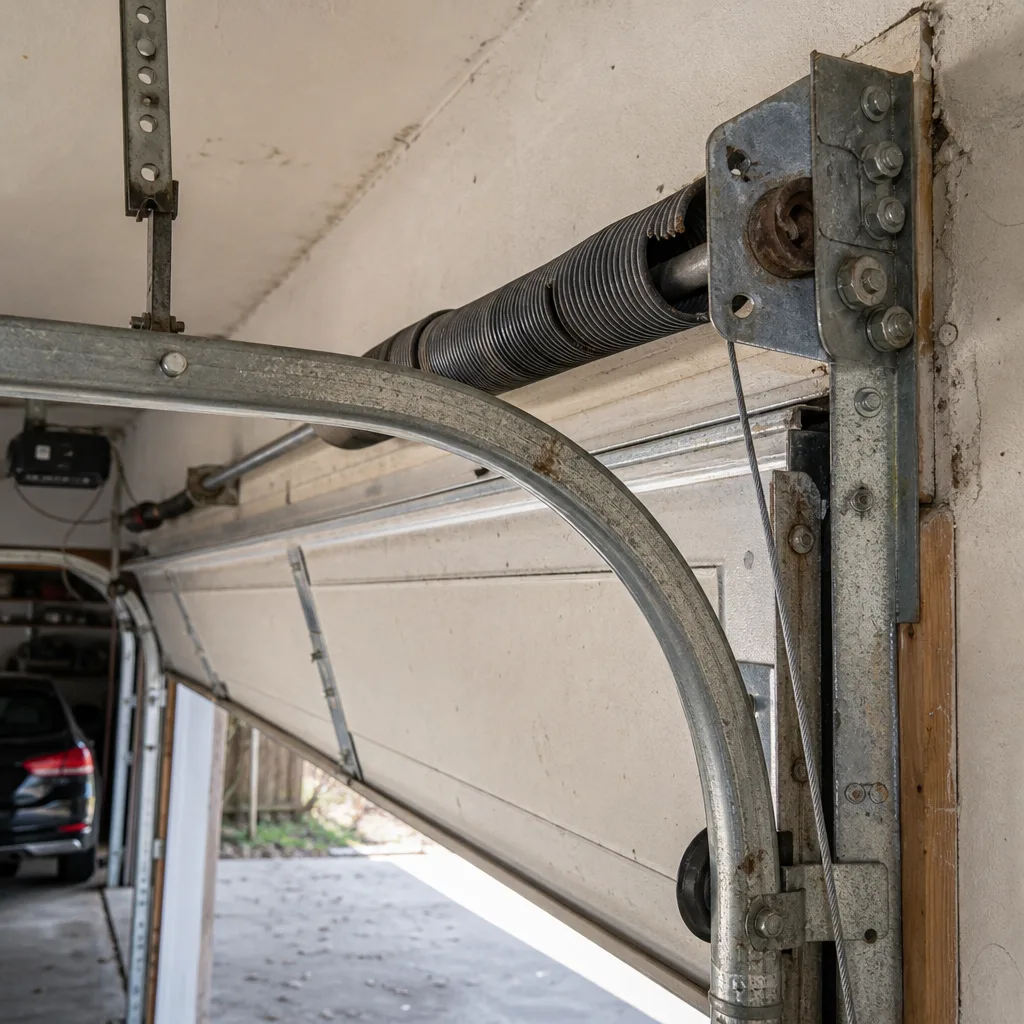 Before
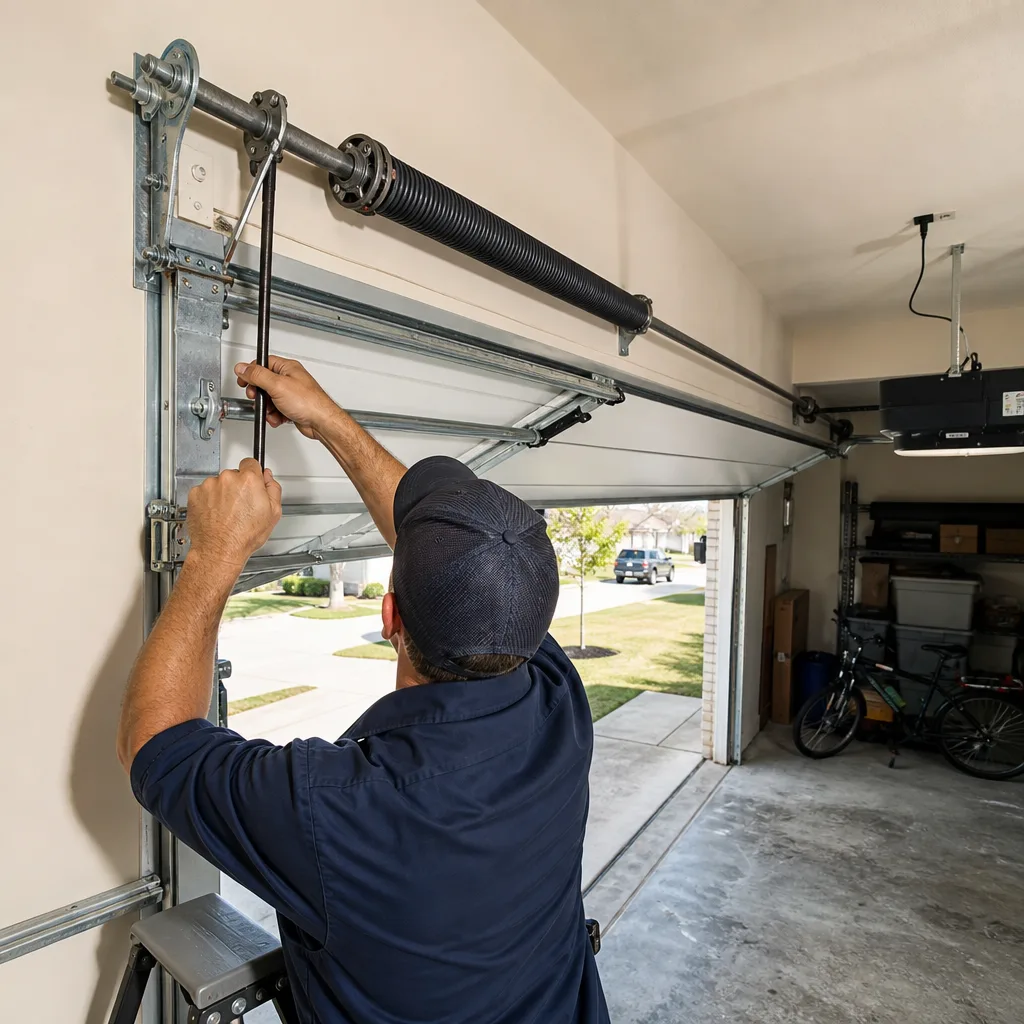 After
After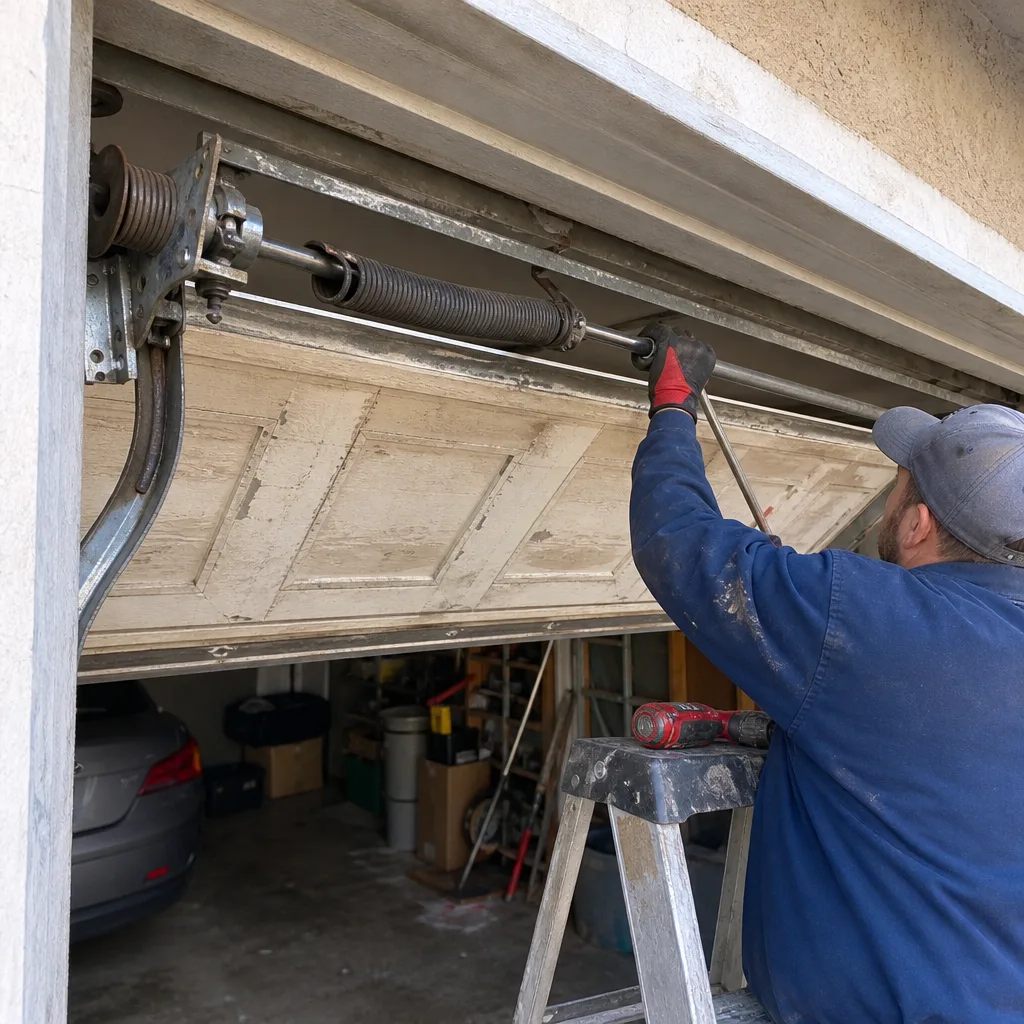 Before
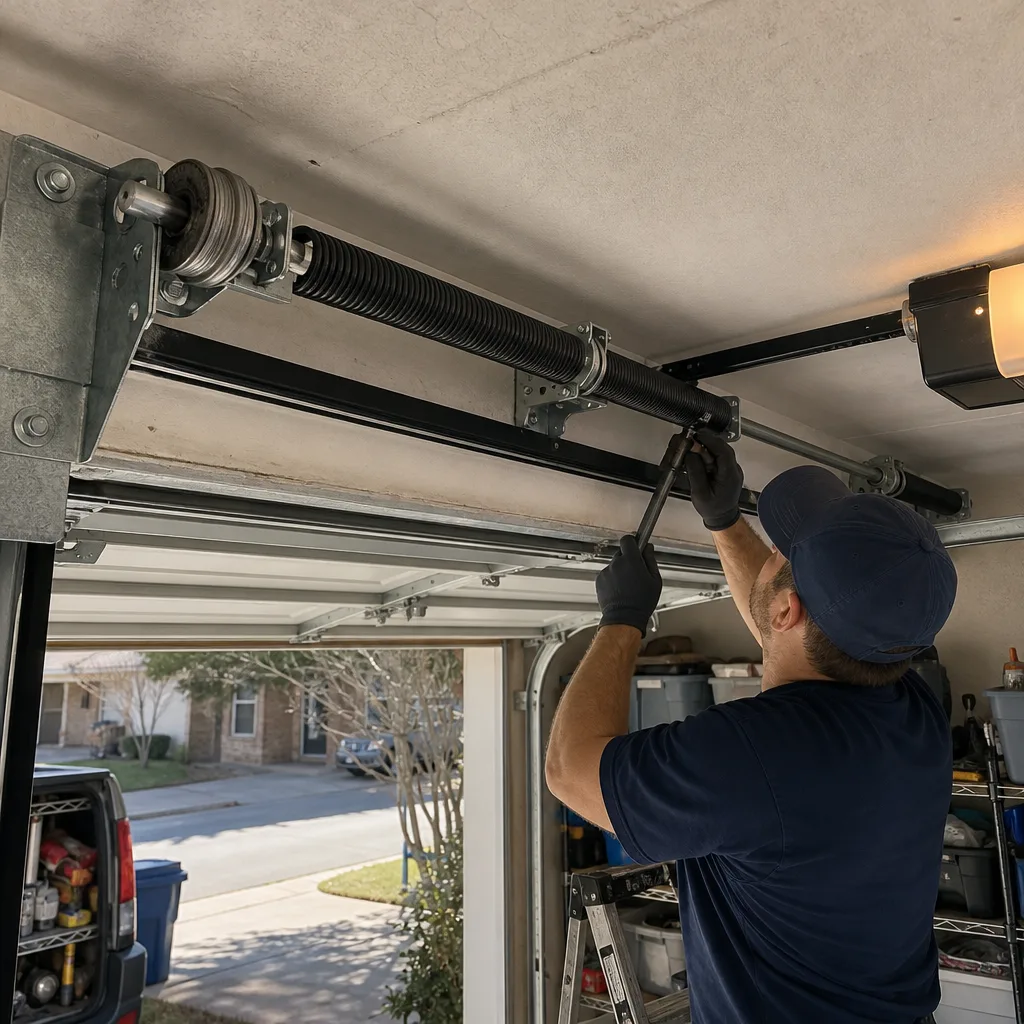 After
After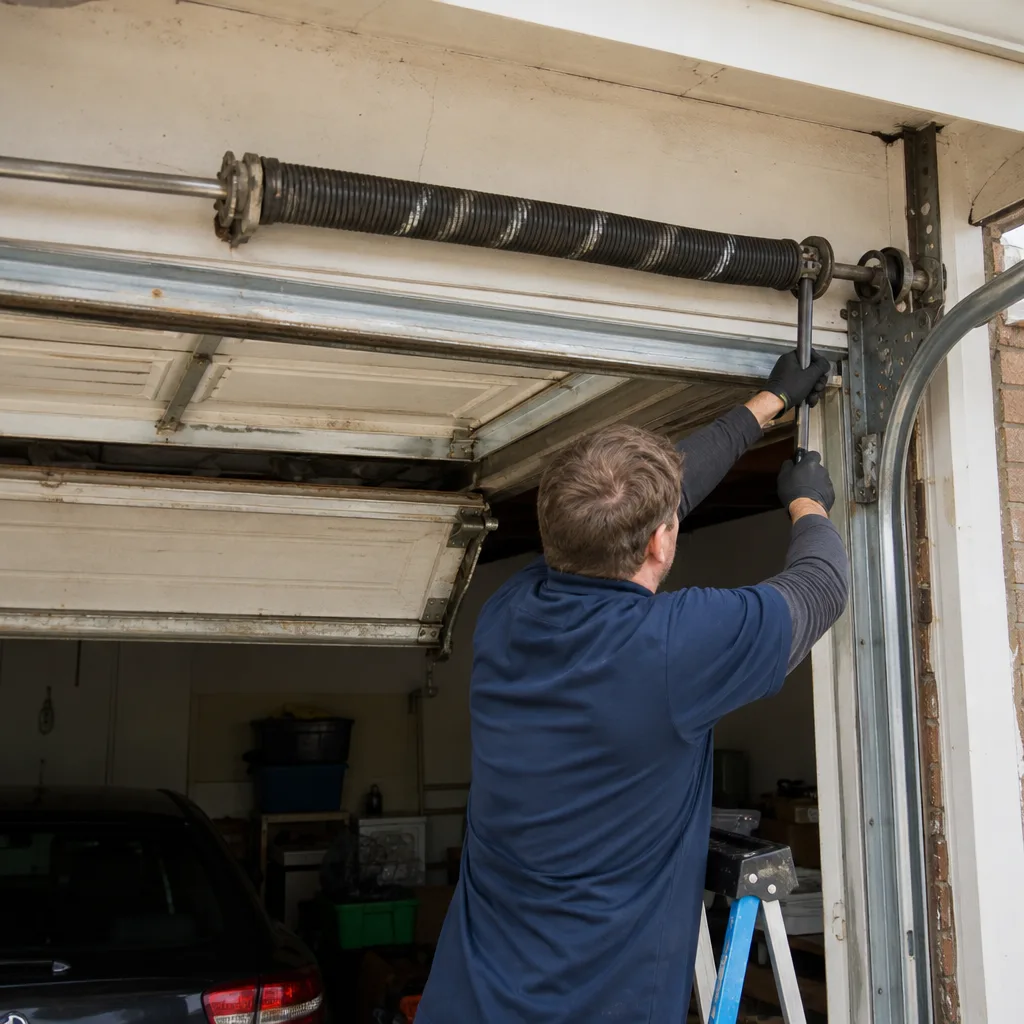 Before
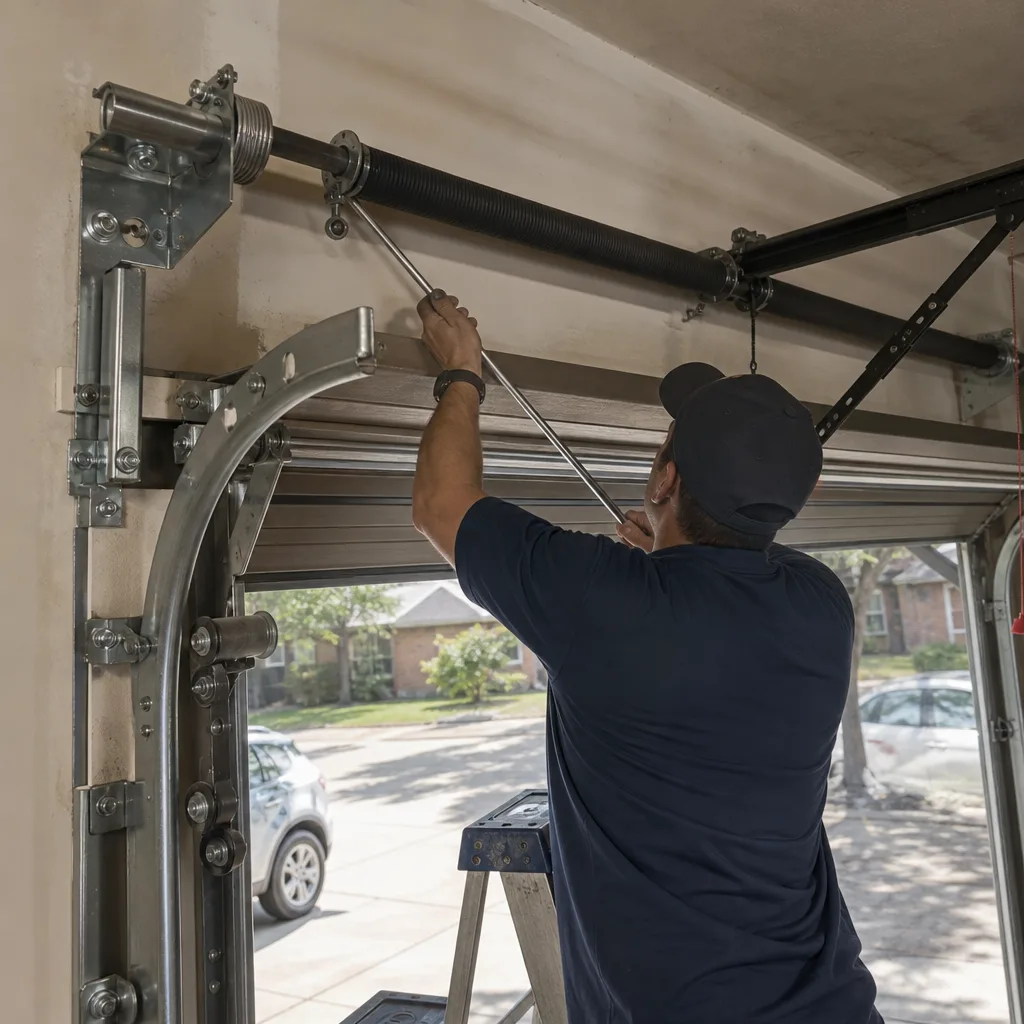 After
After