
Last updated October 17, 2026
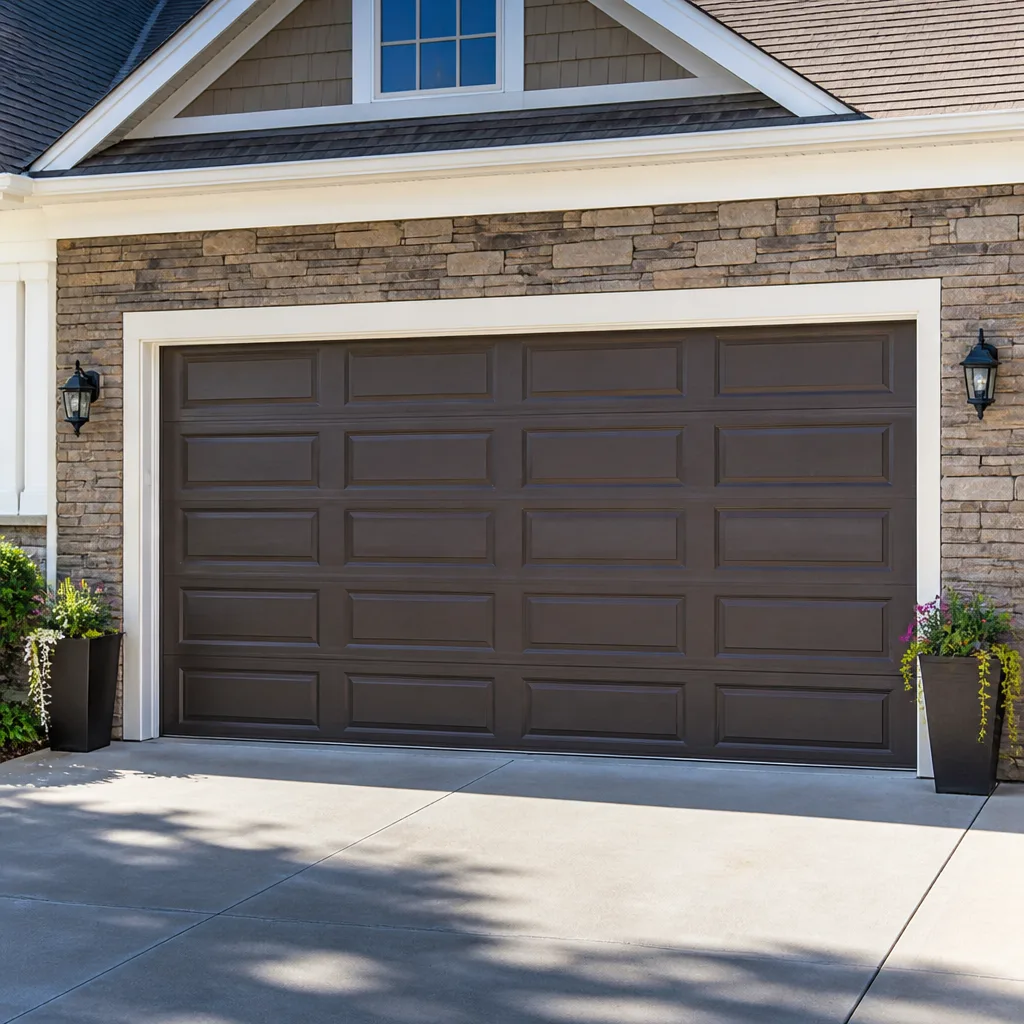 Raised-panel steel
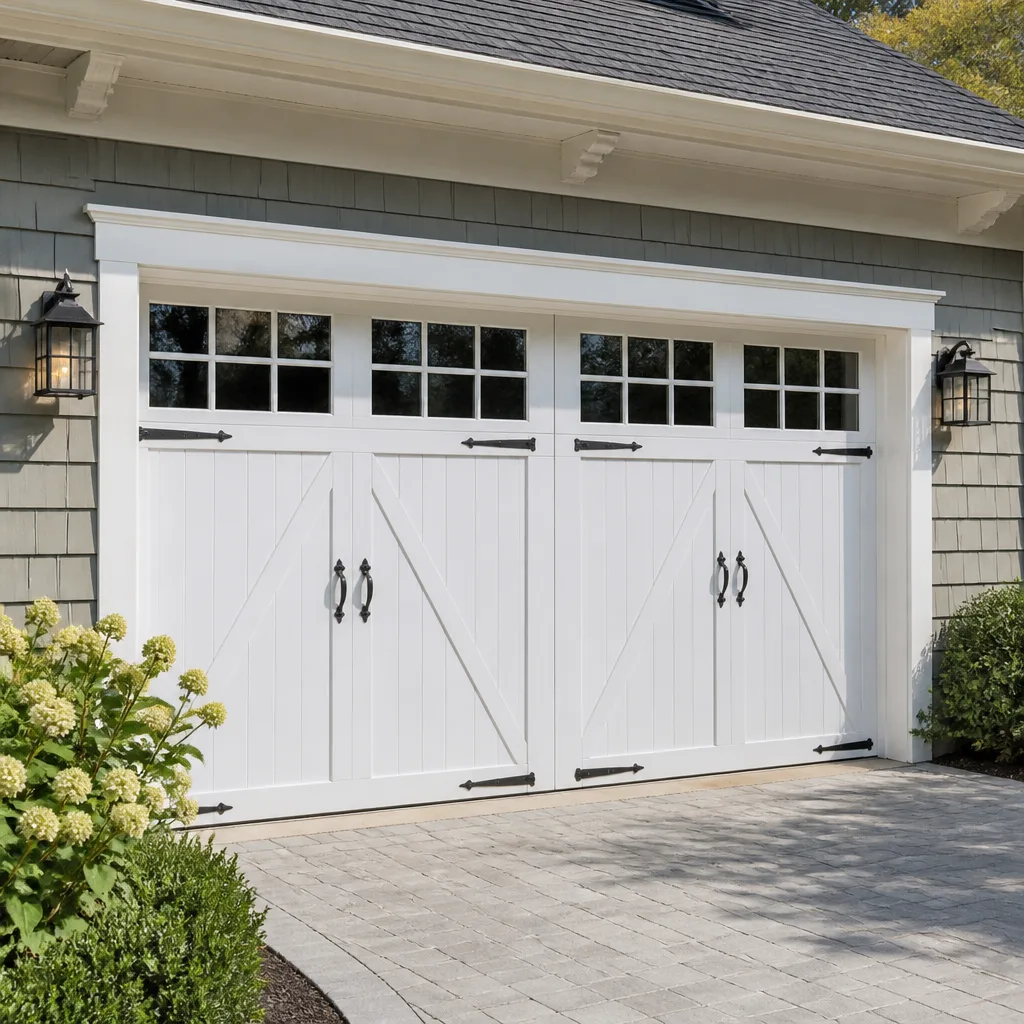 Carriage house
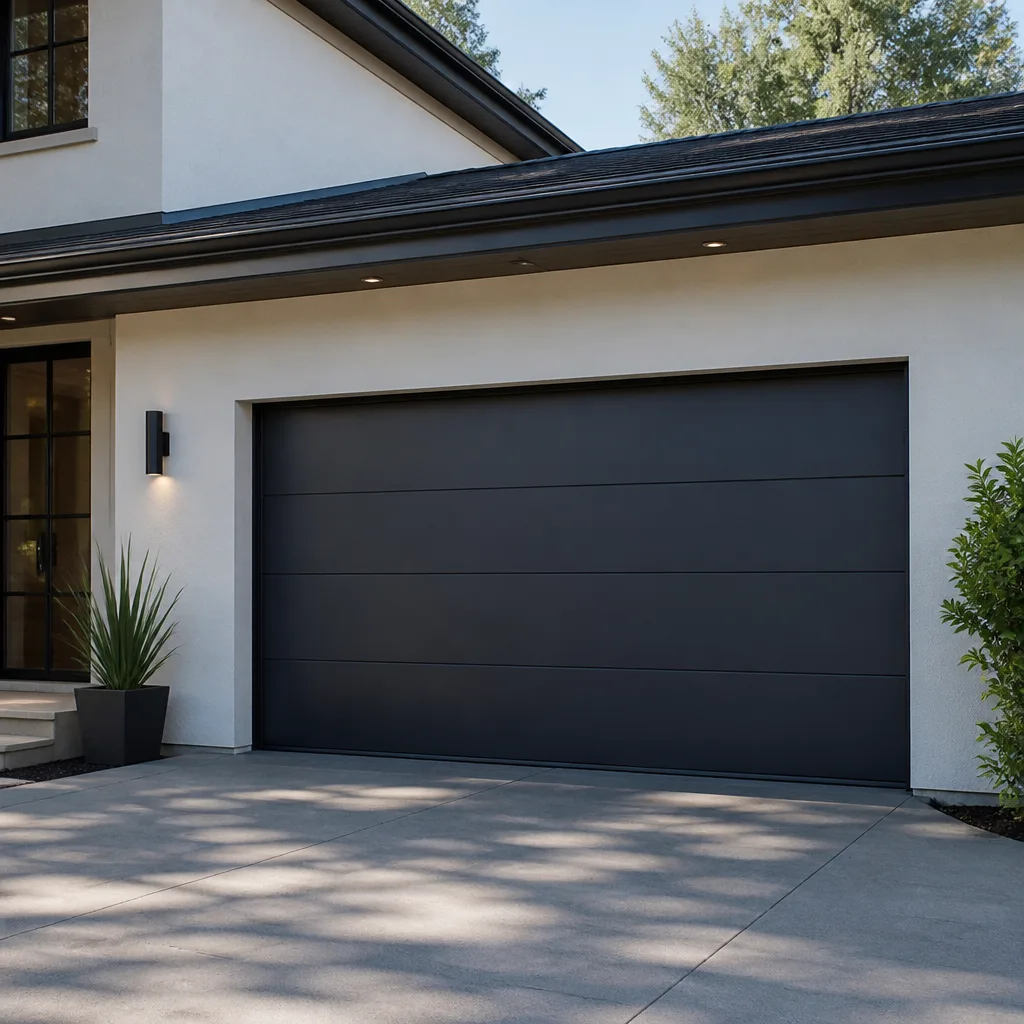 Modern flush
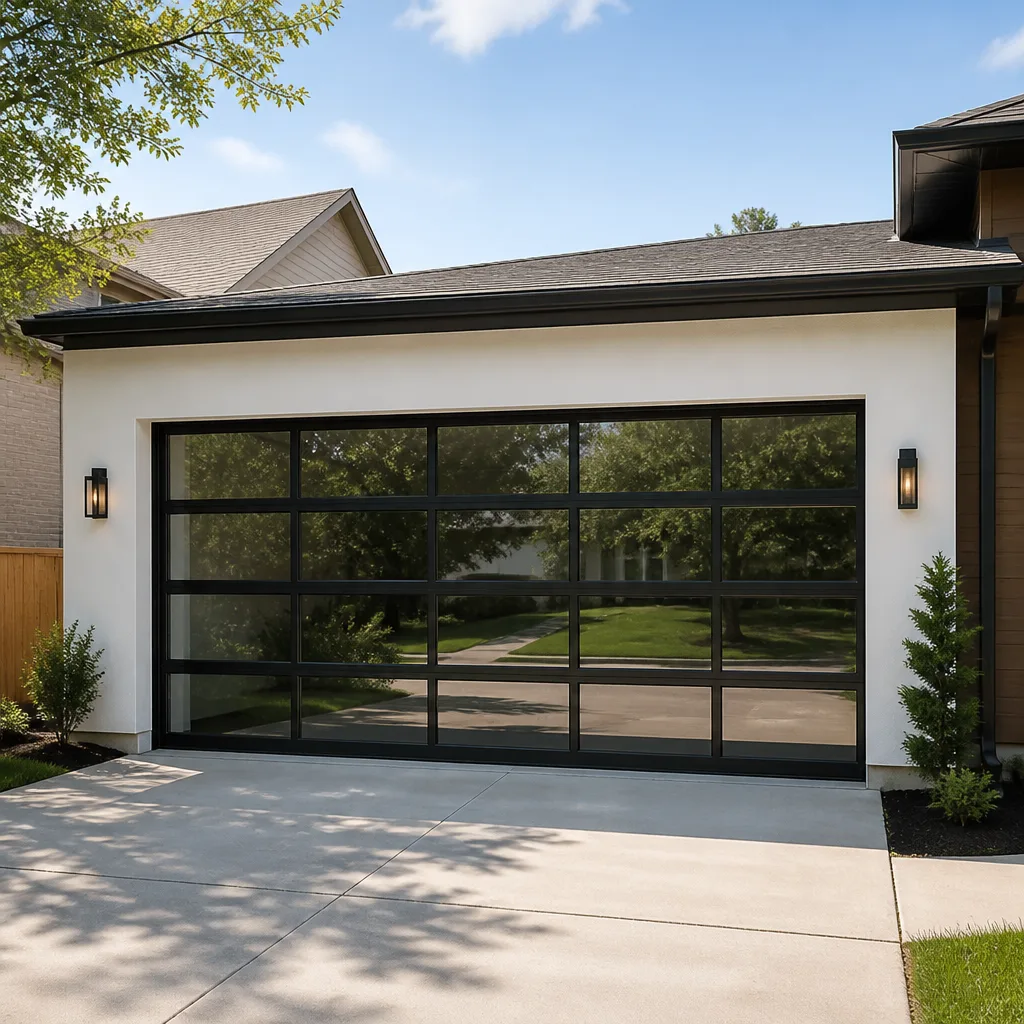 Full-view glass
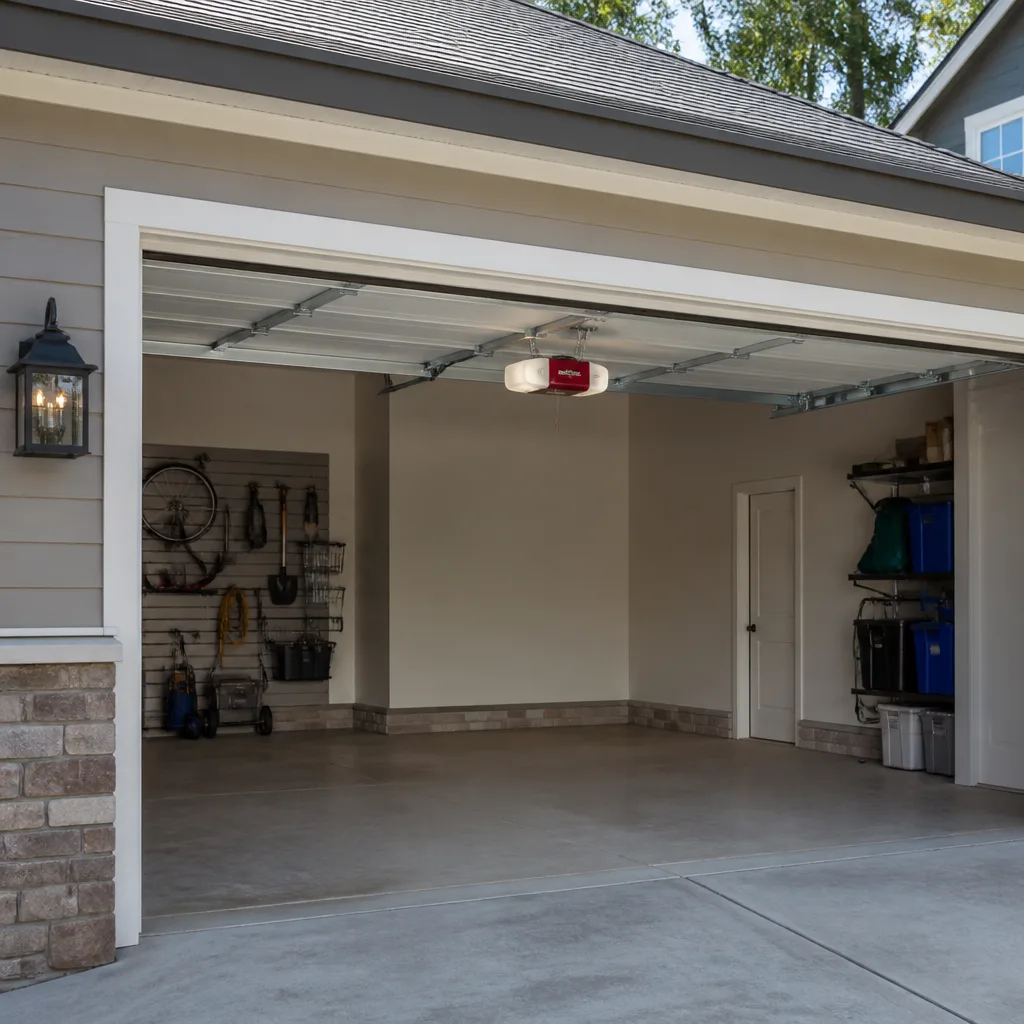 LiftMaster openers
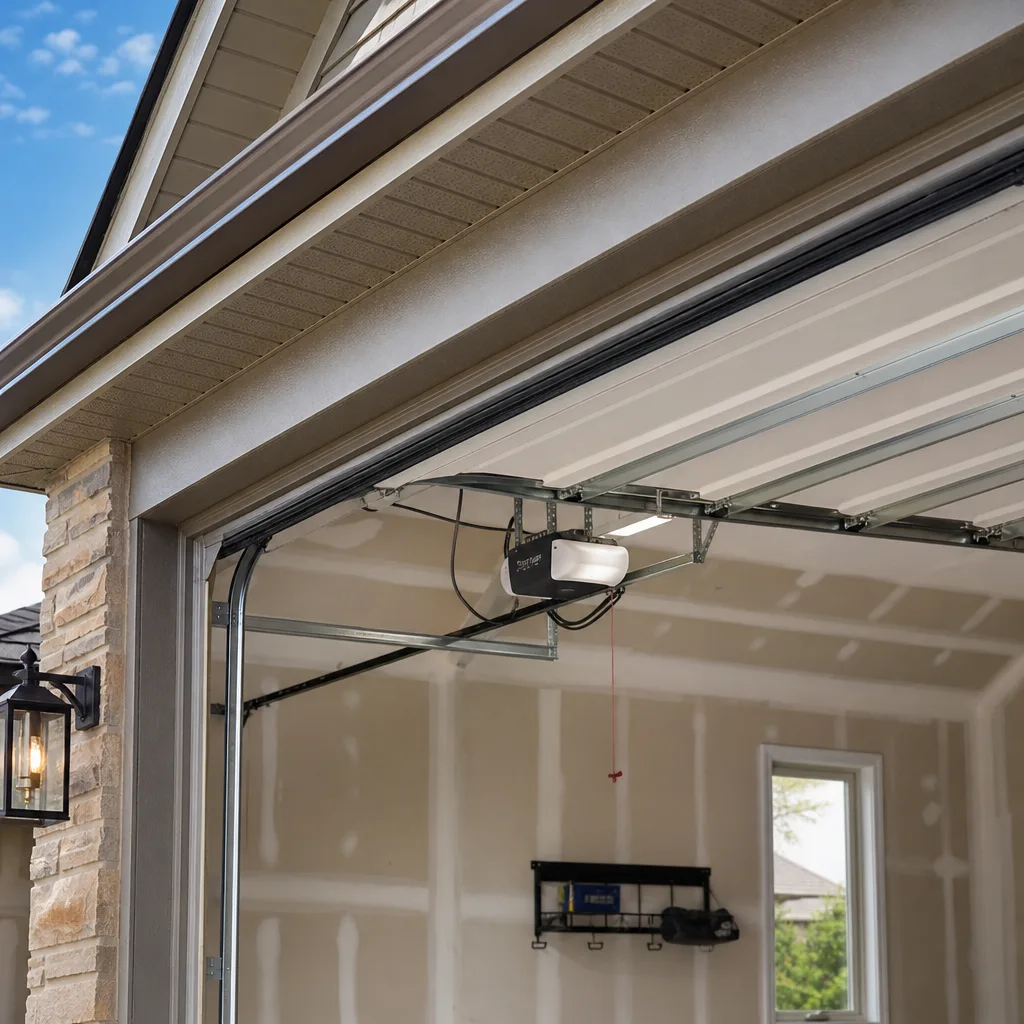 Chamberlain openers
Full 25-point door and opener safety check with every visit - springs, cables, rollers, tracks, and your LiftMaster or Chamberlain opener included
You get a price before we start. It does not change when the truck arrives.
Get your free estimateGarage Door Repair Maintenance Checklist for Fort Worth Homeowners
A garage door cycles open and closed about 1,500 times per year. That is four times a day, every day, in sun, rain, and the particular red clay dust that blows through Fort Worth neighborhoods like Ridglea Hills and Wedgwood. Most homeowners never inspect the door once during those 1,500 cycles. Then a morning comes when the opener motor strains, the door jerks sideways, and a technician explains that the worn roller you would have caught six months ago just took the bottom bracket with it. This guide gives you the actual maintenance steps a careful homeowner can follow in Fort Worth, the exact products worth using, and the three tests that tell you when the job has moved past what you should handle yourself. For related reading, see our Garage Door Warning Signs: A Fort Worth Homeowner’s Reference Guide.
Quick Answer
A garage door maintenance checklist for Fort Worth homeowners should include four seasonal inspections per year: lubricating the rollers and hinges with a silicone-based spray, testing the door’s balance by hand, checking weatherstripping for gaps along the bottom and sides, and listening for grinding or rattling during operation. Most homeowners can handle lubrication and visual checks in about 20 minutes per season. When a door fails the balance test, makes metal-on-metal noise you can hear from inside the house, or shows a frayed cable, that is the point to call a trained technician for Garage Door Repair services rather than continue with DIY work.
Styles & brands we work with
Table of Contents
- The Right Lubricant for Fort Worth’s Red Clay Dust
- A Seasonal Maintenance Calendar for North Texas Weather
- The Three-Point Balance Test That Reveals Spring Wear
- Weatherstripping Inspection: The Measurements That Matter
- What to Listen For: Noises That Signal Roller or Hinge Wear
- Maintenance Tasks That Void Warranties (and What Proper Documentation Looks Like)
- Common Mistakes to Avoid
- When to Call a Professional
- Frequently Asked Questions
The Right Lubricant for Fort Worth’s Red Clay Dust
Here is the single most useful piece of maintenance advice we give Fort Worth homeowners: do not use WD-40 on your garage door. WD-40 is a solvent, not a lubricant. It strips away the existing grease and leaves metal surfaces dry, which accelerates wear on rollers and hinges. In Fort Worth, the problem compounds because our red clay dust is fine enough to work its way into everything. A wet, oily lubricant acts like a dust magnet. Within two weeks, that oil-and-clay mixture becomes a grinding paste that eats through roller bearings faster than no lubricant at all.
What actually works here is a dry silicone-based spray or a white lithium grease applied in specific places. Silicone spray is best for rollers, hinges, and the torsion spring because it dries quickly and leaves a film that clay dust does not stick to. White lithium grease works for the opener rail and the chain or screw drive. Avoid anything labeled as penetrating oil, and never use motor oil, cooking spray, or axle grease. All of those trap dust and make the door louder over time.
Apply silicone spray to the following points:
- Each roller’s ball bearings (a quick shot through the wheel, not a soak)
- The hinge pins where the hinge plates pivot
- The torsion spring, running the spray along the entire coil
- The end bearing plates on both sides of the door
- The lock mechanism if your door has one
Do not lubricate the track itself. That is a common misconception. The rollers should roll freely inside the track, not slide through it. Lubricating the track just means the dust has something to hold onto. If your track is visibly dirty, wipe it with a dry cloth. In neighborhoods like Benbrook and Saginaw with heavier clay exposure, you may need to wipe the track a few times a year, especially after a dry, windy summer.
A Seasonal Maintenance Calendar for North Texas Weather
Fort Worth weather pushes garage doors harder than most climates. February brings ice events. April and May bring storms and shifts in humidity. August has weeks of 100-degree days that cause metal to expand. October brings another humidity swing as temperatures drop. Each of those shifts changes how your door’s steel, springs, and seals behave. A maintenance calendar built around those shifts catches small problems before they turn into failed openers or snapped springs.
Here is the schedule we recommend for garage door repair in Fort Worth prevention work:
- Early February: Check the weatherstripping along the bottom and the sides. Fort Worth ice events push freezing rain against the door seal. A gap here lets cold air and water inside. Test the door balance by hand. Cold weather stiffens the torsion spring grease, and a door that was marginal in October will be worse in February.
- Late April: After spring storm season starts, inspect the rollers and hinges for rust. High humidity combined with clay dust creates surface rust quickly on unpainted hardware. Listen for grinding. Lubricate all moving points early in the morning before the day heats up.
- Mid-August: Check for heat expansion. Metal doors and tracks expand in sustained 100-degree heat, which can make a door bind at the top of the curve. If the door hesitates or rubs near the top, that is heat expansion at work. Adjust the track spacing only if you know what you are doing. Otherwise, this is the time to have a technician take a look.
- Late October: Do a full visual inspection. Look at every bolt and bracket. Check the spring for a gap in the coils. Replace the weatherstripping if it shows cracks from the summer sun. Lubricate once more before the cold season begins.
Four inspections per year, roughly 20 minutes each, will catch the vast majority of preventable failures. The pattern to remember: February is for cold-weather seals, April is for rust, August is for heat expansion, October is for a full visual once-over.
The Three-Point Balance Test That Reveals Spring Wear
Torsion springs have a finite life. In Fort Worth homes with two-car garage doors, that life is typically 15,000 to 20,000 cycles, which translates to about 8 to 12 years depending on how often the door runs. But springs rarely fail without warning. They lose tension gradually, and the door starts to feel heavier. Most homeowners do not notice the gradual change until the spring snaps. This test takes two minutes and tells you whether your springs are losing tension.
Step 1: Pull the red emergency release cord. This disconnects the door from the opener. With the door in the closed position, disconnect and then manually lift the door halfway up by the handle. Let go. A door with healthy springs should stay in place, or drift slowly no more than a few inches in either direction.
Step 2: If the door drops toward the floor, your springs are losing tension. That means they are nearing the end of their working life. A door that slams down has a serious tension problem and should not be operated until a technician inspects it. Do not attempt to adjust the springs yourself. Torsion springs remain under several hundred pounds of tension even when the door is closed, and an incorrect adjustment can cause serious injury. This is one of those jobs where the safety risk is not theoretical.
Step 3: Reconnect the door to the opener and run a full cycle. Watch the door as it moves. A healthy door moves smoothly without jerking or pausing. If one side of the door lifts faster than the other, that indicates uneven spring tension or a cable problem. If the opener motor strains audibly, that is another sign of spring or roller wear.
Run this test once in February and once in October. In our experience in Fort Worth, most homes with original springs that are seven or more years old will start to show some drift in the half-open test. That is the point to schedule garage door spring repair in Fort Worth before the spring fails at an inconvenient moment.
Weatherstripping Inspection: The Measurements That Matter
The garage door is the largest uninsulated hole in most Fort Worth homes. The bottom seal and the side weatherstripping are what keep hot August air outside, keep February cold air from working its way into the house, and keep pests out of the garage. A small gap that looks cosmetic is actually a highway for conditioned air to escape and for roaches, spiders, and rodents to enter. Here is how to measure it.
The bottom seal: Close the door and kneel down at eye level with the floor. Look for daylight under the seal. Any gap wider than a quarter of an inch means the seal is worn. After a Fort Worth summer, rubber seals crack from heat and UV exposure. If the seal is brittle, cracked, or flattened, replace it. A new bottom seal costs little and installs in about 20 minutes. Measure the existing seal before buying a replacement; they come in different widths and profiles, and using the wrong one creates a worse gap.
The side seals: Stand inside the garage with the door closed and the light on. Look along the left and right edges. In older Fort Worth homes, the wooden jamb that holds the side weatherstripping will rot from years of humidity and rain splash. If the weatherstripping pulls away from the jamb, or if you can see light through gaps, the seal is not doing its job. Rodents squeeze through holes as small as a dime. A gap in the side seal is an open invitation, especially in the fall when field mice move toward houses in areas near Benbrook Lake and along the Trinity River.
Check the top seal too: Look for what we call the “eyebrow gap.” When a door is slightly out of balance or settlement has shifted the tracks, the top panel will pull away from the header when the door starts to close. You will see it as a sliver of daylight across the top that disappears once the door is fully down. That gap lets hot air bleed into the garage all summer. It is usually a sign that the door’s travel limit or the track alignment needs a small adjustment.
What to Listen For: Noises That Signal Roller or Hinge Wear
Garage doors are not silent, but they should not be loud. A healthy door produces a steady mechanical sound, something like a low hum with a soft rumble. When you start hearing grinding, rattling, squealing, or popping, the sound is telling you exactly which part to look at. The trick is to stand inside the garage, close the door, and run it once while listening to each section as it passes.
A grinding noise: Usually means roller bearings are seized or metal is dragging on metal. Run the door again and watch each roller. If a roller does not spin but instead slides along the track, it has a flattened or seized bearing. Replace that roller. Waiting is a false economy: a stuck roller drags on the track every cycle and eventually breaks the bottom bracket. We have seen this happen in the Ridgmar area, and the repair is more involved than a simple roller replacement would have been.
A rattling noise: Almost always means loose hardware. Nuts and bolts vibrate loose over years of daily cycles. Take a socket wrench and check the bolts on the hinges, the track brackets, and the opener mounting. Tighten what is loose. Do not over-tighten into the drywall or the wood; snug is enough.
A squealing noise: Usually means the hinges or rollers are dry. A quick silicone spray solves this in ten minutes. If the squeal persists after lubrication, the roller bearing is worn internally and needs replacement.
A popping or banging sound: This is the sound of a spring binding and releasing, or a cable catching on a drum. This is not a do-it-yourself fix. Stop using the door and have a technician inspect it. A popping spring under load is a genuine safety hazard.
Maintenance Tasks That Void Warranties (and What Proper Documentation Looks Like)
Garage door manufacturers including Clopay, Amarr, and Wayne Dalton write maintenance expectations into their warranty terms. If a spring snaps or a panel cracks and the manufacturer’s investigation finds that the failure traces to an unauthorized modification or improper maintenance, the warranty claim will be denied. Here is what that means in practical terms for a Fort Worth homeowner.
Tasks that commonly void warranties:
- Painting the spring: Torsion and extension springs are heat-treated and coated. Applying a thick enamel paint changes the spring’s surface and can accelerate rust by trapping moisture under the paint. It also hides crack propagation, which is what warranty inspectors look for. Never paint the spring.
- Modifying the door’s structure: Drilling into panels to mount hooks, shelves, or decorations changes the door’s balance and can crack the panel skin. Most manufacturer warranties explicitly exclude damage from modifications.
- Replacing the opener with an incompatible model: LiftMaster, Chamberlain, and Genie openers have different force and travel specifications. Installing an opener with more pulling force than the door and spring system was built for can tear a panel or bend a track, and the door manufacturer will deny the claim.
- Adjusting torsion spring tension: This one is worth stating plainly. Adjusting a torsion spring without the proper winding bars, and without knowing the door’s specific tension requirements, changes the balance point. If the spring later fails and the door manufacturer can show the spring was re-tensioned by someone who was not a certified technician, the warranty on the spring is void. This is also one of the most dangerous maintenance tasks on the list. We do not recommend any homeowner attempt it.
What proper documentation looks like: Keep a simple maintenance log. A sheet of paper in the garage or a note on your phone works. Write down the date, what you inspected, what you lubricated, and what you replaced. If a roller or a seal was replaced, note the brand and part number if you can. When a technician performs work, ask for a receipt that lists the parts replaced and the work done. We provide this on every visit as part of our written-price policy, because warranty claims go better when you can show a paper trail. If the day comes that a panel cracks on a five-year-old door, the manufacturer will ask whether you have maintenance records. A one-page log with dates and part numbers makes that conversation short.
Common Mistakes to Avoid
Most premature garage door failures in Fort Worth homes come from a small set of avoidable mistakes. Some of these are things homeowners do; some are things they skip. Here are the most common ones we see in neighborhoods across Fort Worth, from Crowley to Saginaw:
- Using the wrong lubricant: WD-40 or penetrating oil strips grease and attracts red clay dust. A dry silicone spray is the right choice for rollers, hinges, and springs. This single mistake accounts for more premature roller replacements than any other.
- Lubricating the track: The track should stay dry. Oiling it turns the fine clay dust that settles on the track into a grinding paste.
- Ignoring a slow or jerky open: A door that hesitates or jerks is telling you something. The balance test takes two minutes and usually identifies the cause. Letting it go turns a $25 roller replacement into a $300 bracket repair.
- Skipping the visual check because “nothing has changed”: Torsion springs lose tension gradually. If you only look when the door stops working, you miss the drift and the rust and the frayed cable that were visible six months earlier.
- Replacing the bottom seal with whatever is on the shelf: Bottom seals come in different profiles to match different door brands. The wrong profile creates a worse gap than the worn seal it replaced.
- Tightening the track bolts until they cannot turn anymore: Over-tightening bends the track. Snug is enough. If the track is not straight after tightening, back off the bolt and have a technician check the alignment.
- Trying to adjust the spring yourself: Torsion springs under tension store enough energy to cause life-altering injury. This is the one maintenance task where the risk is not worth learning on the job.
When to Call a Professional
The line between maintenance and repair is where the risk starts. Spring replacement is past that line. Cable repair is past it. Any work that involves winding or unwinding the torsion spring is a job for a trained technician with proper winding bars and the right training on the specific door model. Also past the line: a door that slams down after the balance test, a frayed cable, a bent track, or a panel with a crack running through it.
If you are not sure whether a problem is maintenance or repair, call and ask. Fernbrook Garage Doors Fort Worth offers free estimates in Fort Worth, and a real person answers the phone at (682) 354-9140 no matter what time you call. We would rather tell you that a problem is minor and can wait than have you work on a door that is not safe. Our technicians are trained on eight major brands, including LiftMaster, Chamberlain, Clopay, and Raynor. When we arrive, you get a written price before any work starts, and the crew leaves the garage cleaner than they found it.
Frequently Asked Questions
Most homeowners in Fort Worth pay between $75 and $150 for a professional garage door tune-up that includes lubrication, track inspection, hardware tightening, and balance testing. If you do the seasonal checks yourself, a can of silicone spray costs about $10 to $15 and a replacement bottom seal runs $25 to $50 depending on the door width. Larger repairs like spring replacement are separate and cost more. Call (682) 354-9140 for a written quote based on your specific door.
Lubricate every six months in Fort Worth. The red clay dust in this area means lubricant wears out faster here than in other climates. We recommend a February lubrication before ice season and an October lubrication before the dry, dusty winter months. If your neighborhood has heavy clay soil, like many parts of southwest Fort Worth, you may need a third lubrication in the spring after the wind season.
Most maintenance tasks are doable for a homeowner: lubricating, cleaning the track, tightening visible bolts, checking the balance, and inspecting the weatherstripping. The tasks that need a professional are spring-related, cable repair, track adjustment, and anything involving the door’s structural tension. The balance test tells you which category you are in. If the door drifts more than a few inches when released at half-open, that is a professional-level issue.
Torsion springs in North Texas typically last 8 to 12 years, depending on how many cycles the door runs and how much the temperature swings affect the metal. A two-car household that uses the garage as the primary entrance will wear springs out faster than a household that parks outside. The balance test described in this guide gives you a better signal than age alone. If your door drifts or feels heavier than it used to, the springs are nearing the end whether they are five years old or fifteen.
Use a dry silicone-based spray, not an oil-based product. Brands like Blaster’s Garage Door Lubricant, 3M’s silicone spray, or DuPont’s Teflon silicone work well in Fort Worth’s dusty conditions. The key is that the product says “silicone” and dries without leaving a sticky film. Avoid anything labeled as a penetrating oil or a general-purpose household oil. Those attract clay dust and wear out rollers faster.
Yes. Our technicians are trained on eight major brands: LiftMaster, Chamberlain, Genie, Clopay, Amarr, Wayne Dalton, Craftsman, and Raynor. Whether your door is one of those or something else, we can inspect it and give you a written price before any work begins. That includes maintenance work, spring repair, full door replacement, and garage door installation in Fort Worth.
The Bottom Line
A garage door maintenance checklist for Fort Worth comes down to four seasonal checks, the right lubricant, and the discipline to run the balance test twice a year. Use a silicone spray, not an oil. Wipe the track, do not lubricate it. Listen for grinding and rattling. Watch the weatherstripping for gaps wider than a quarter inch. Run the balance test in February and October, and when the door drifts or slams, make the call before the problem moves from a $25 part to a $300 repair. If you want help with any of it, the team at Fernbrook Garage Doors Fort Worth is a phone call away. Every visit starts with a written price, and the 365-Day Done Right Promise means the work is covered for a full year. Call (682) 354-9140 for a free estimate, and we will take it from there.
Written by Jesse Calder, Owner at Fernbrook Garage Doors Fort Worth, serving Fort Worth since 2002. Browse our more guides & resources.
See the difference
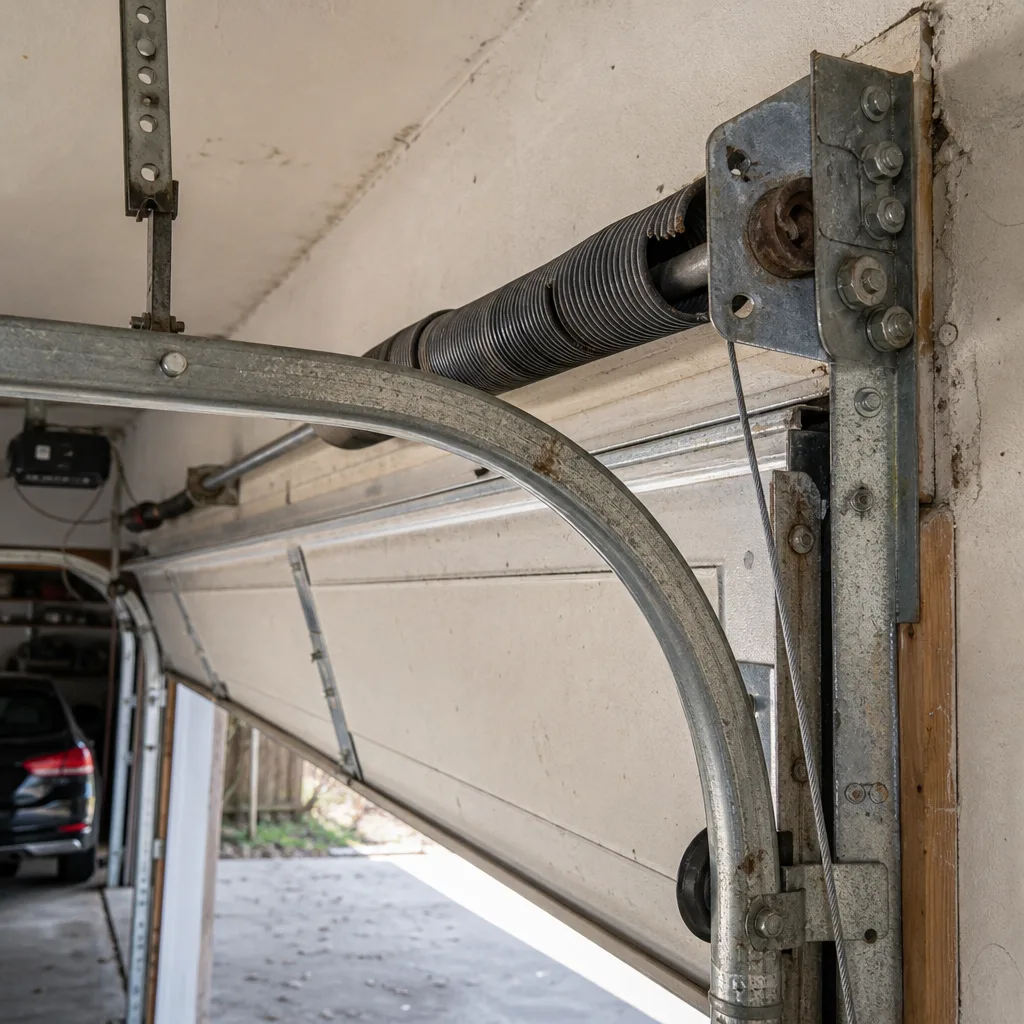 Before
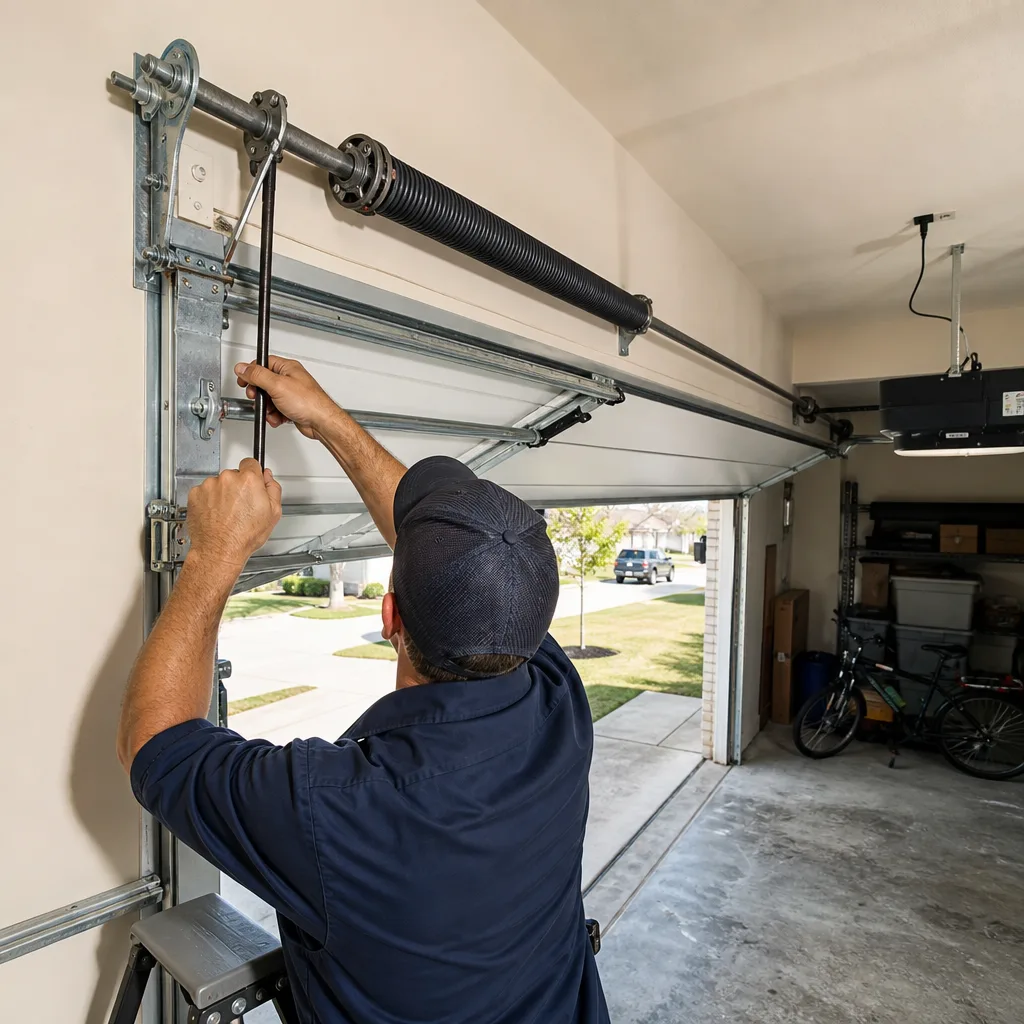 After
After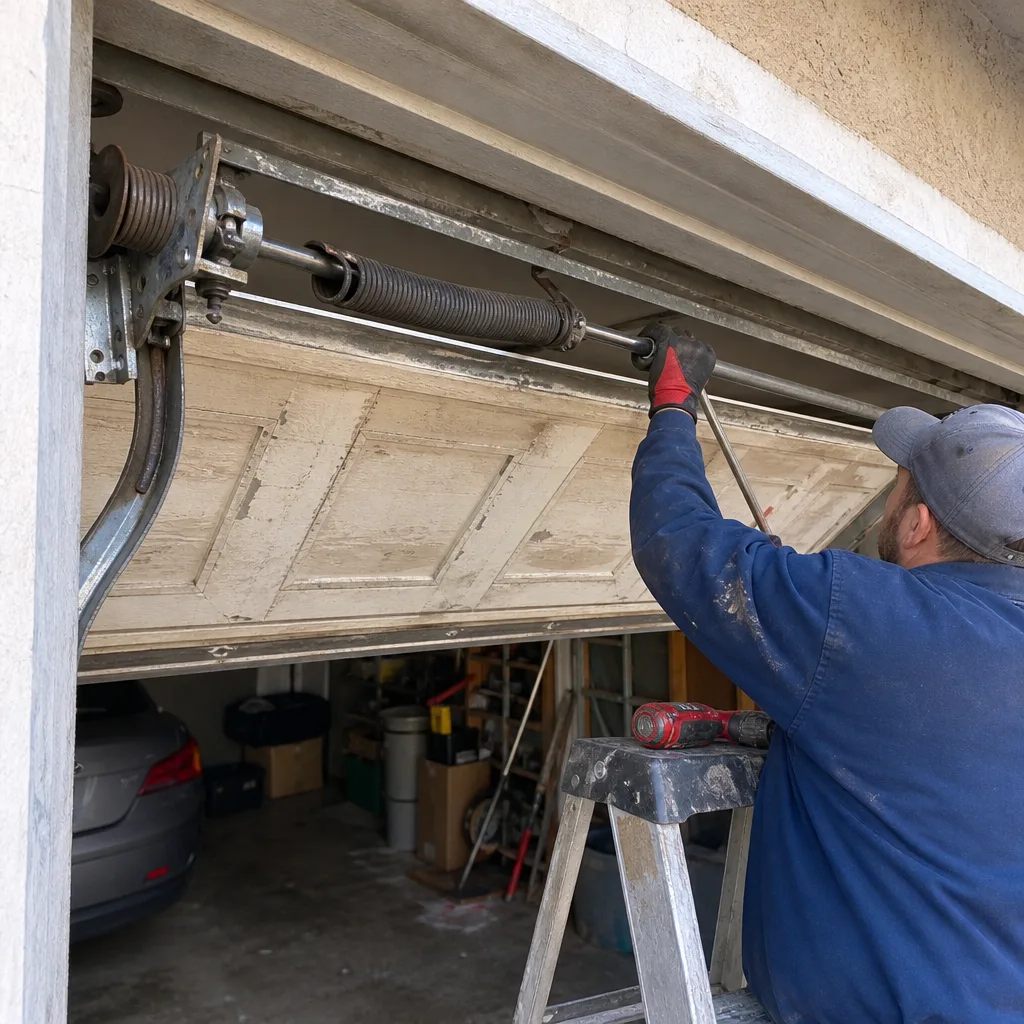 Before
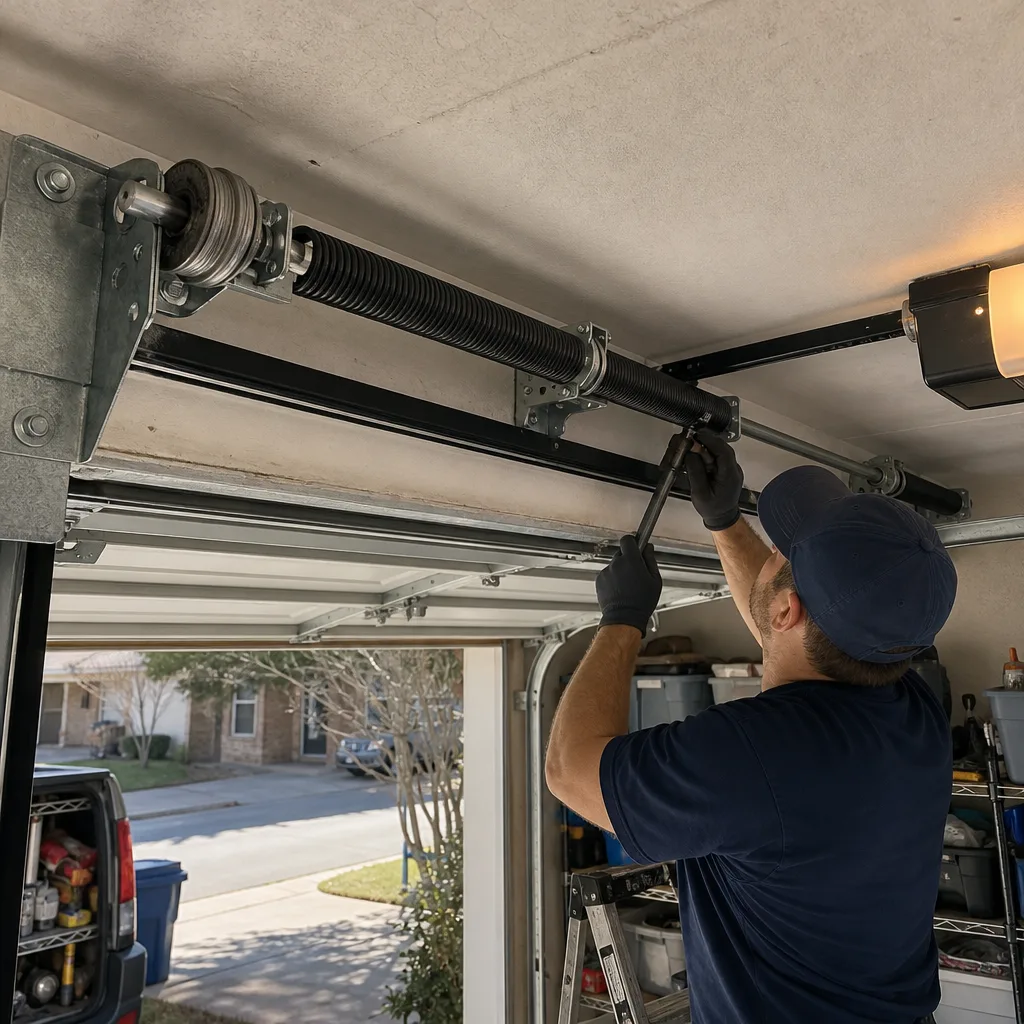 After
After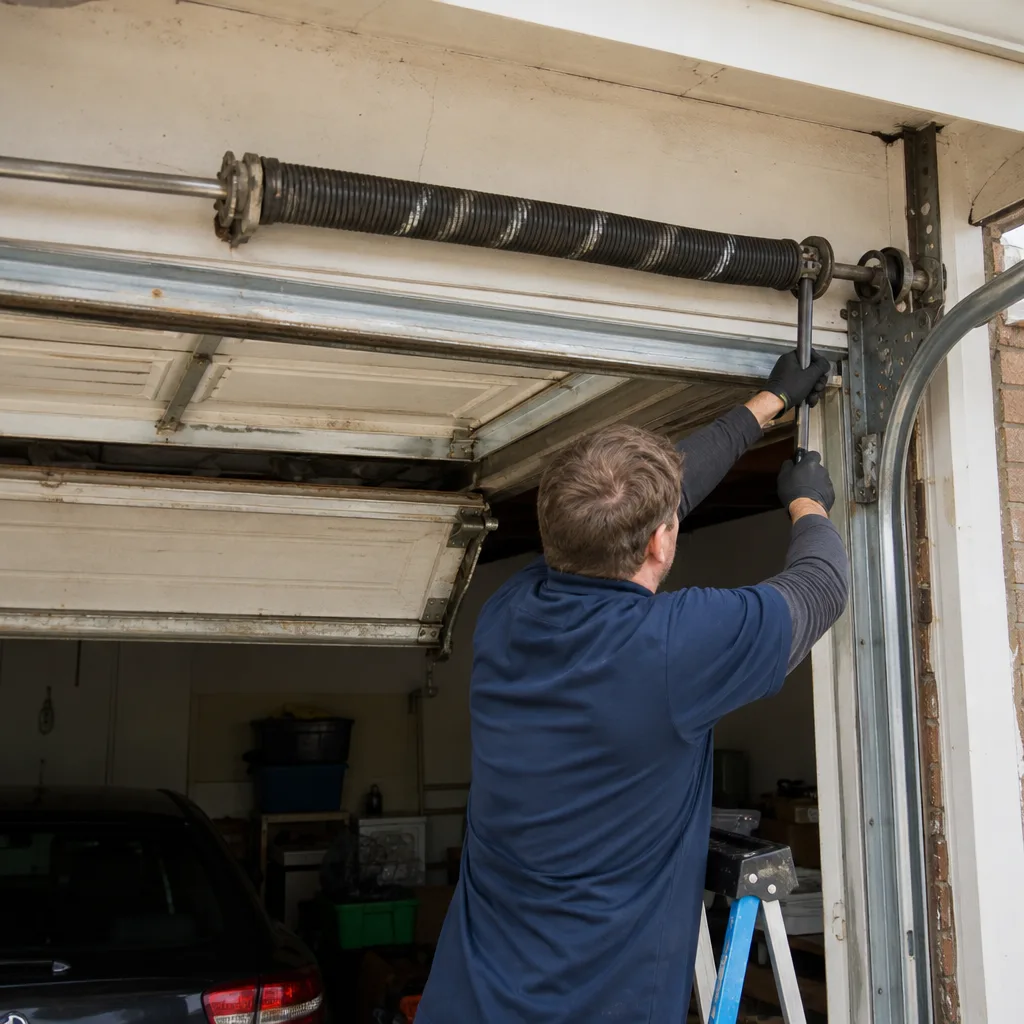 Before
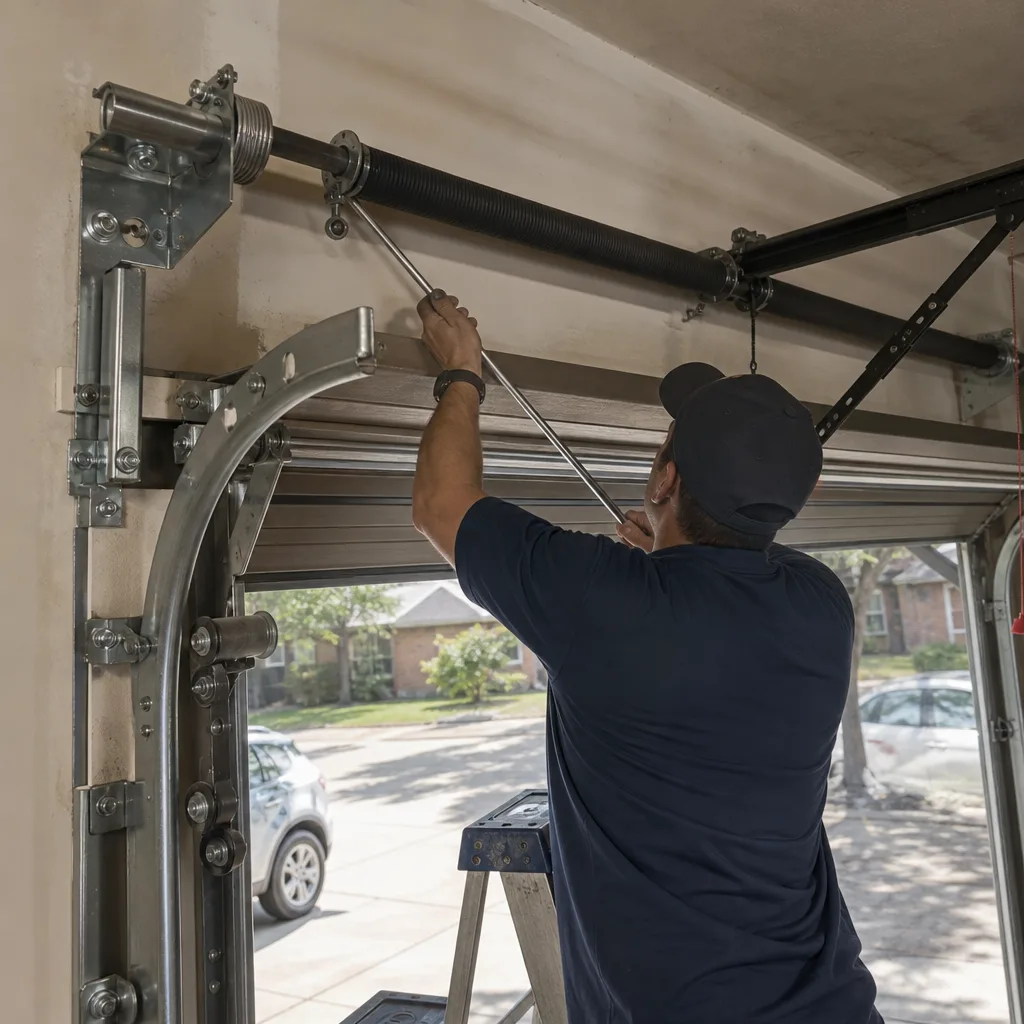 After
After