
Last updated October 17, 2026
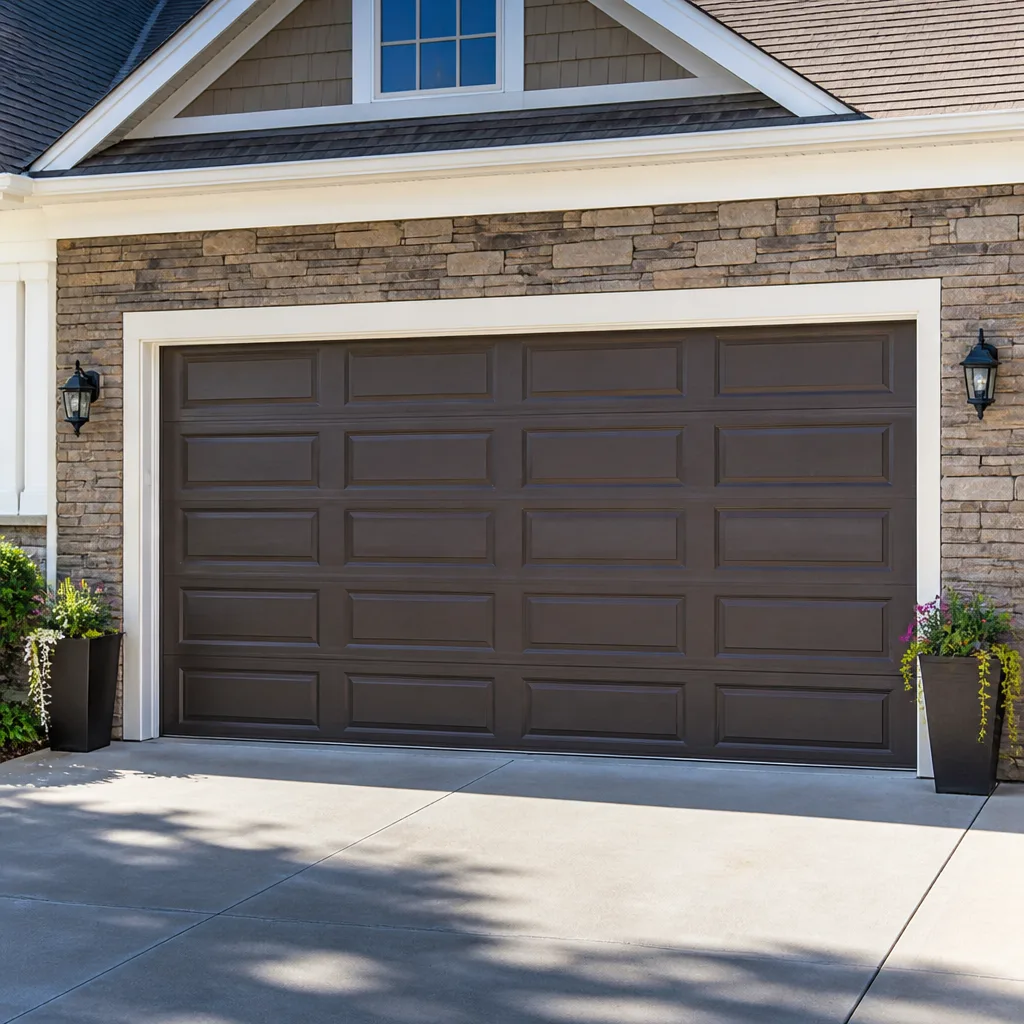 Raised-panel steel
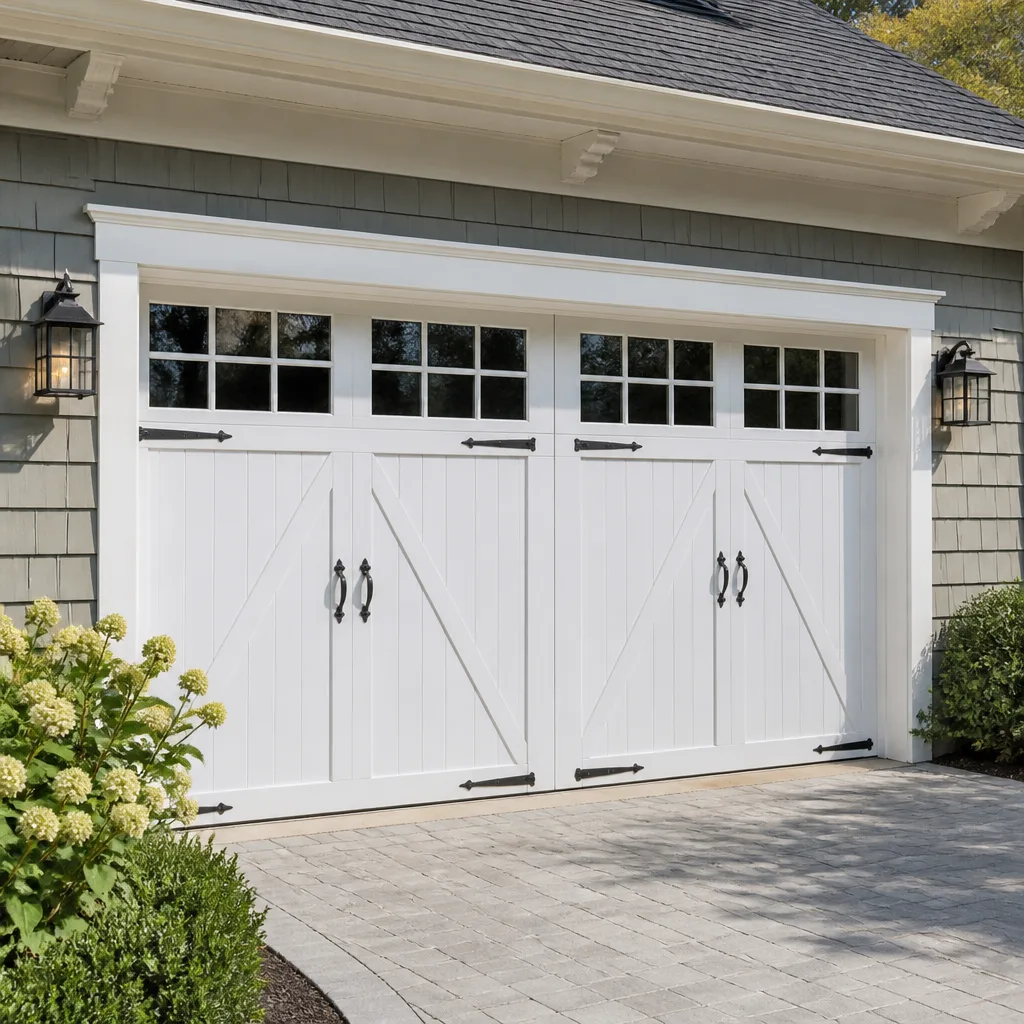 Carriage house
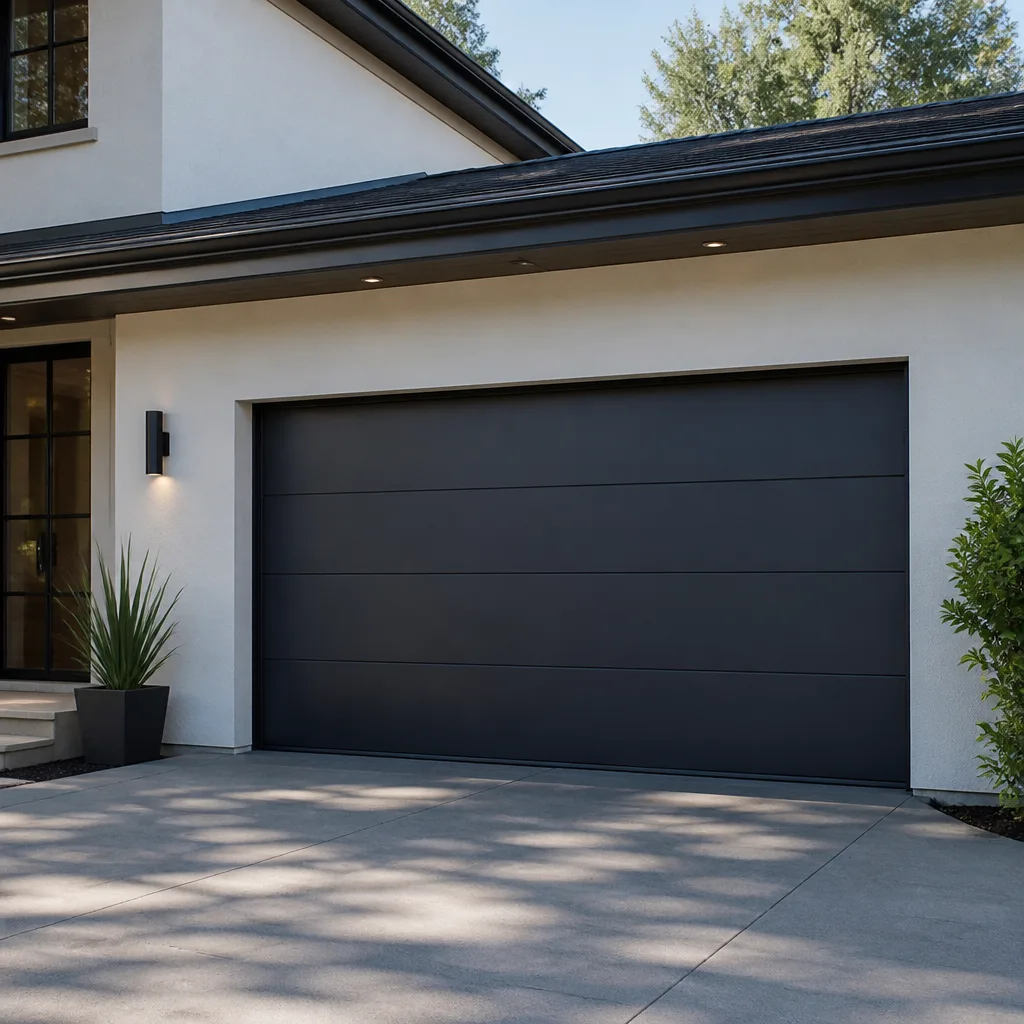 Modern flush
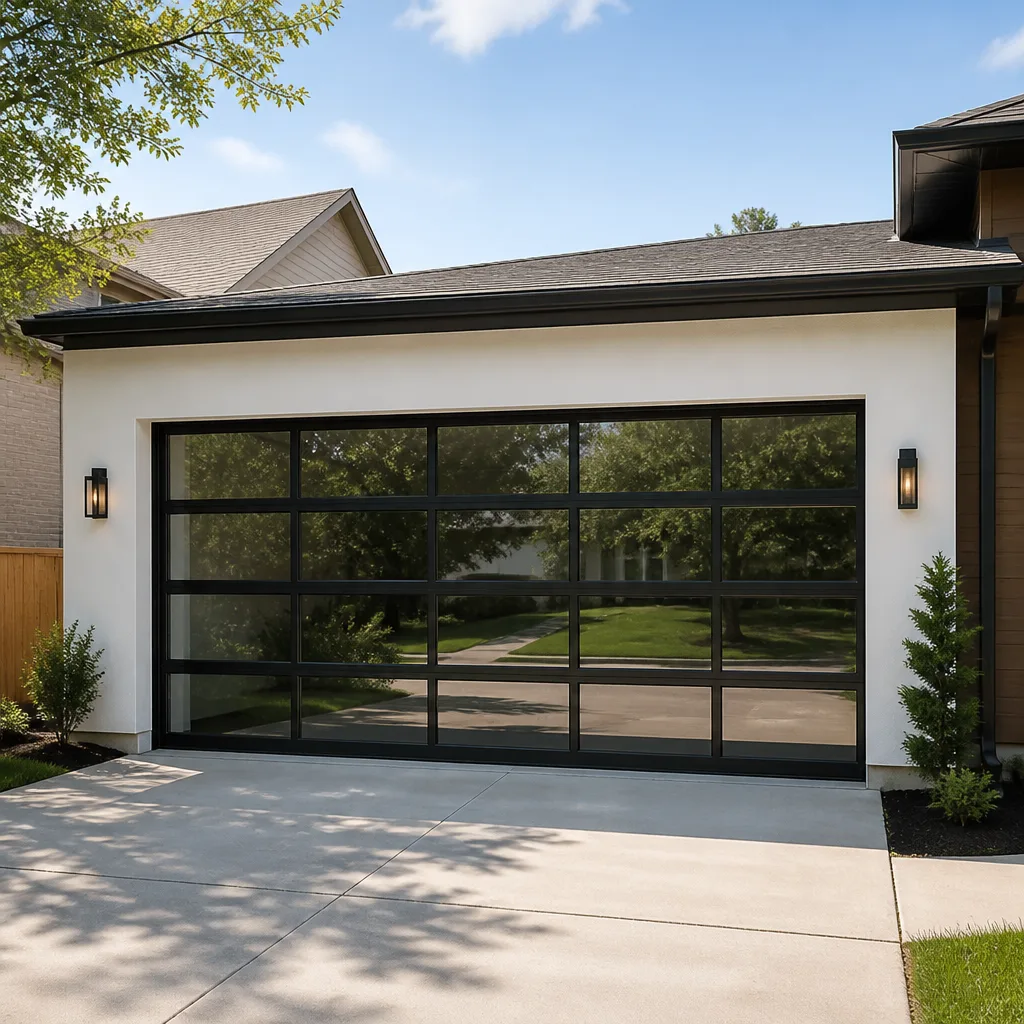 Full-view glass
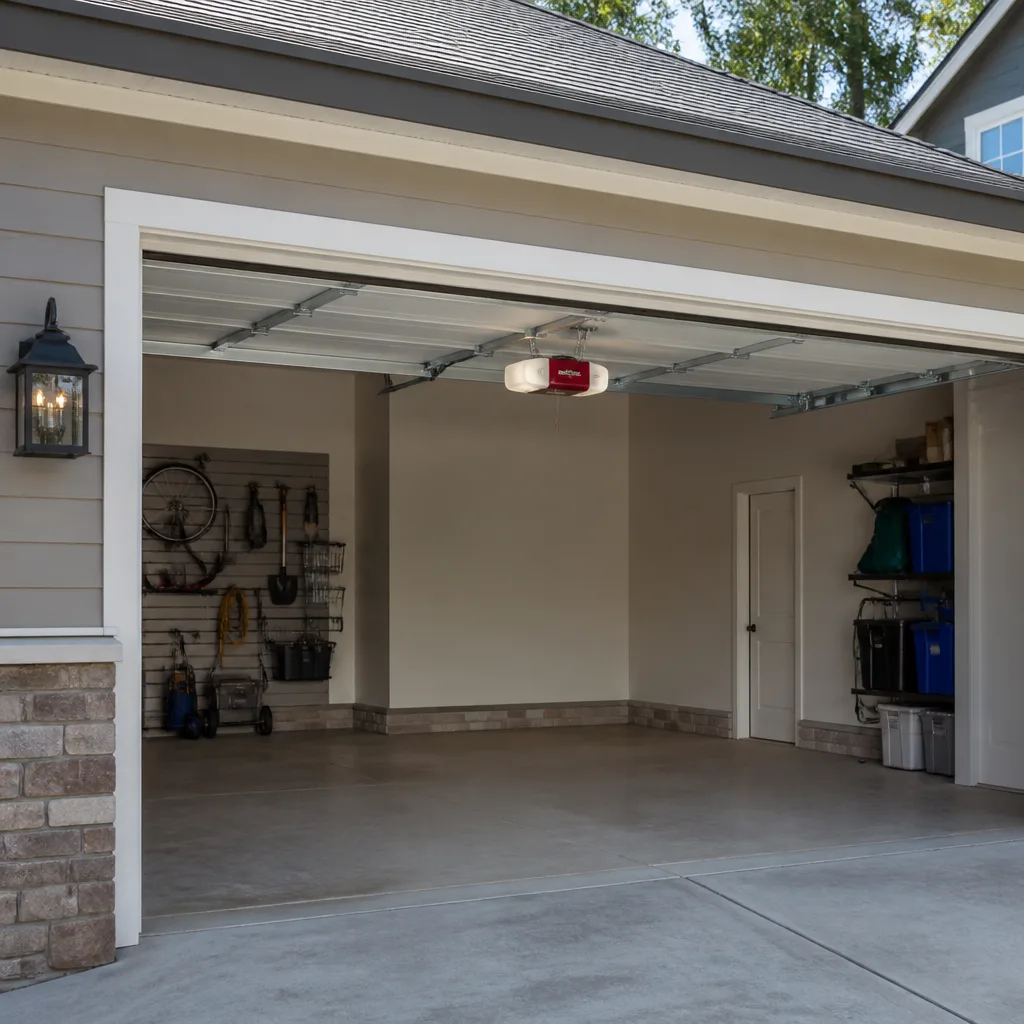 LiftMaster openers
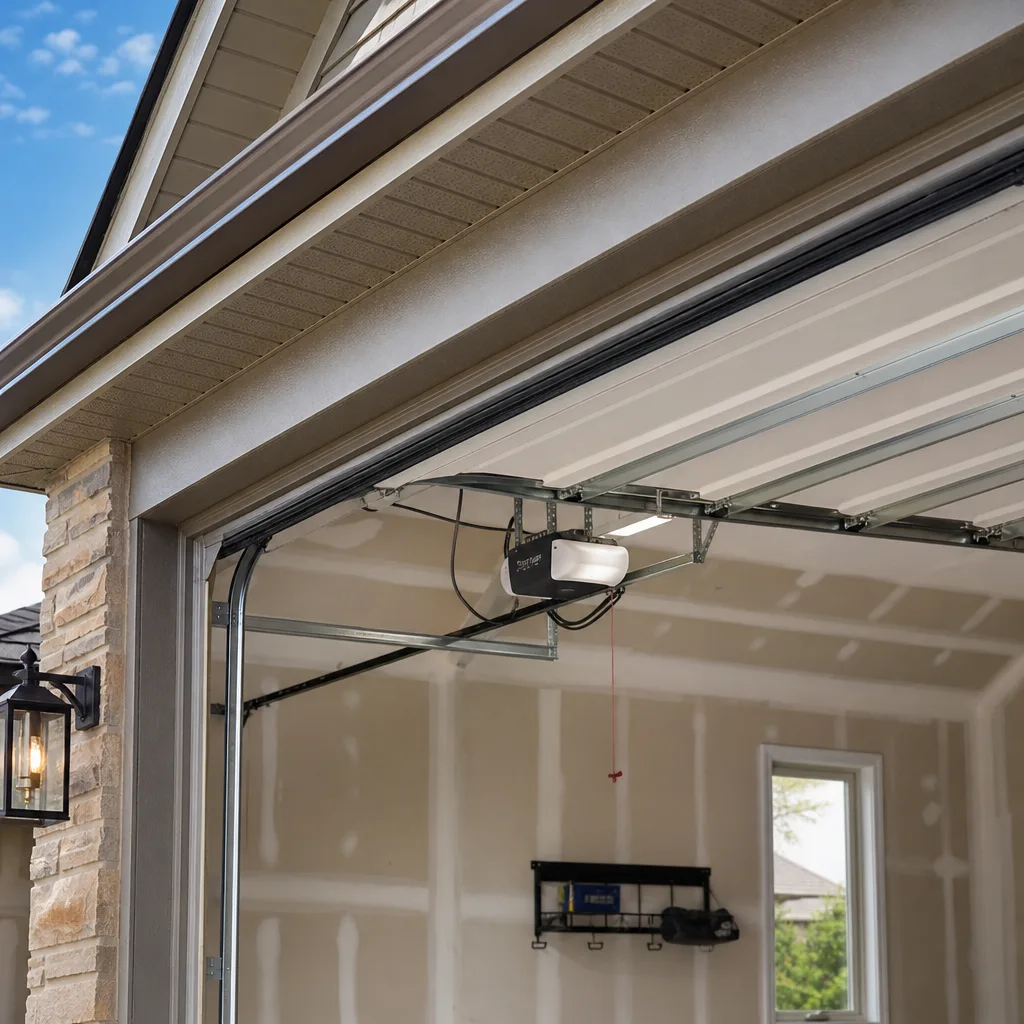 Chamberlain openers
Full 25-point door and opener safety check with every visit - springs, cables, rollers, tracks, and your LiftMaster or Chamberlain opener included
You get a price before we start. It does not change when the truck arrives.
Get your free estimateGarage Door Permits, Codes & Inspections in TX: What You Need to Know
Most homeowners in Fort Worth don’t think twice about swapping out an old garage door until the buyer’s inspector flags it three days before closing. That’s exactly what happened to a couple in the Berkley neighborhood last fall. The unpermitted replacement they’d paid for two years earlier became a $2,400 negotiating concession under deadline pressure. The permit itself would have cost eighty-five dollars and a quick inspection. This guide walks you through which garage door projects actually trigger permitting requirements in Fort Worth and Tarrant County, what inspectors look for, and how to fix a situation you didn’t know needed fixing. For related reading, see our Garage Door Warning Signs: A Fort Worth Homeowner’s Reference Guide.
Styles & brands we work with
Quick Answer
In the City of Fort Worth, a full garage door replacement typically requires a residential building permit under the city’s adoption of the International Residential Code, while repairs that swap out individual components like springs, openers, cables, or panels generally fall under cosmetic or ordinary repair exemptions and do not need one. The deciding factor is usually whether the work changes the door system’s structural connection to the home. Unincorporated Tarrant County has different requirements, and so do some cities inside the county like Burleson and Keller.
Table of Contents
- When Does a Garage Door Project Require a Permit in Fort Worth?
- City of Fort Worth vs. Tarrant County: What Applies to You
- What a Compliant Installation Looks Like to an Inspector
- How to Retroactively Permit an Unpermitted Installation
- HOA Approval vs. City Permits: Two Separate Processes
- What Permits and Inspections Actually Cost in Fort Worth
- Common Mistakes to Avoid
- When to Call a Professional
- Frequently Asked Questions
- The Bottom Line
When Does a Garage Door Project Require a Permit in Fort Worth?
The City of Fort Worth enforces the 2021 International Residential Code with local amendments. Under IRC Section R105.1, any construction or alteration of a building or structure requires a permit. The key word is “alteration.” A full garage door replacement changes the door size, the header, the track system, or the structural connection between the door opening and the wall framing. That’s an alteration. A spring swap on the same door is not.
Here’s the practical breakdown we use when homeowners ask us whether their project needs paperwork:
- Full door replacement, same size opening: generally requires a permit. The city treats this as an alteration of the building envelope.
- Changing the door size or adding a new door opening: always requires a permit and typically a structural review of the header.
- Panel replacement only, same door system: cosmetic repair, no permit in Fort Worth.
- Spring replacement, cable replacement, roller replacement: ordinary repair, no permit.
- Garage door opener installation or replacement: no building permit, but the electrical outlet serving it must meet current GFCI and AFCI requirements if it’s being modified.
- Converting a garage to living space and replacing the door in that process: a full alteration permit that includes the door work.
We’ve helped homeowners in Como, Wedgwood, and Ryan Place sort through this exact question. The most common surprise is that a door replacement done through a handyman or a cash-only crew often skips the permit, and the homeowner doesn’t learn about it until the sale. The work itself may be fine. The missing permit is the problem. A buyer’s inspector in Fort Worth is trained to pull the permit history for the address and compare it against visible recent work.
City of Fort Worth vs. Tarrant County: What Applies to You
Fort Worth is inside Tarrant County, but not every Tarrant County address is inside Fort Worth city limits. That distinction changes which codes and which permitting office governs your garage door project.
Inside Fort Worth city limits: You’re under the City of Fort Worth Development Services Department. The city issues its own building permits and conducts its own inspections. The 2021 IRC applies with city amendments. A door replacement permit is a simple process: application, plan or spec sheet showing the door dimensions and manufacturer, permit fee, and a final inspection after installation.
Unincorporated Tarrant County: The county does not issue building permits for residential garage door replacement. Unincorporated areas rely on the county’s adopted codes but have no local permitting office that reviews individual door projects. What applies instead: any HOA rules for your subdivision, any deed restrictions, and the state-level requirements of the Texas Department of Licensing and Regulation if you’re making structural changes. In practical terms, a door swap in an unincorporated area like parts of Eagle Mountain or the rural edges of Crowley may not need a county permit, but you should still document the work with receipts, photos, and a dated installation report for any future sale.
Burleson: Partly in Tarrant County, partly in Johnson County, and with its own city permitting office. Burleson does require permits for residential garage door replacement when the work is structural in nature. Their process is similar to Fort Worth’s but runs through the Burleson Building Permits division.
Keller: A separate city within Tarrant County. Keller also requires permits for full garage door replacements and has inspection requirements that mirror Fort Worth’s. The Keller permitting office is responsive, and our experience with their inspections is that they pay close attention to safety sensor height and spring containment cables.
If you’re not sure which jurisdiction you’re in, the simplest check is your water bill or your property tax statement. It typically names the city or shows “unincorporated Tarrant County.” That one line determines whether you call Fort Worth, another city hall, or nobody at all.
What a Compliant Installation Looks Like to an Inspector
When a Fort Worth inspector comes out to close a garage door permit, they’re checking a specific list. It’s not a walk-through where they’ll nitpick every bolt. It’s a focused review against code. Here’s what they look at, in the order we prepare for it:
- Header and framing clearance. The horizontal beam above the door opening must be properly sized for the span and load. If you reused an existing opening, the inspector verifies the header wasn’t cut or modified. If it’s a new opening, they check the header dimensions against the approved plans.
- Spring containment cables. Torsion springs must have a safety cable running through the center of each spring and anchored to the wall or header. This is a non-negotiable code item in Texas. The cable is what keeps a broken spring from launching across the garage.
- Opener safety sensor height. Photo-eye sensors must be mounted no higher than 6 inches off the garage floor. The inspector will test that the door reverses when the beam is broken. They also check that the opener’s auto-reverse force setting is adjusted so the door reverses under reasonable resistance.
- Door balance. A properly balanced door stays in place at the halfway point when disconnected from the opener. The inspector may ask you to release the emergency cord and manually lift the door to check this.
- Weatherstripping and exterior seal. The inspector verifies the perimeter seal at the door jambs and header is installed and that the bottom seal contacts the floor fully. It’s a minor code point but consistently checked in Fort Worth wind zones.
The permit is closed when all of these pass. If one fails, the inspector writes a correction notice and you schedule a re-inspection. We’ve seen re-inspections called for a single missing containment cable or a sensor mounted at eight inches instead of six. Those are cheap fixes, but they add time to the project.
How to Retroactively Permit an Unpermitted Installation
If you bought a home with an unpermitted garage door replacement, or you did work yourself without a permit and now need to square it with the city, Fort Worth has a path to correct it. It’s not punitive. It’s administrative.
Here’s the process in order:
- Call the Fort Worth Development Services Department. Tell them you need to permit work that was already completed. They’ll ask for the address and a description of the work. Don’t worry about getting in trouble. The city’s interest is bringing the work into compliance, not penalizing a homeowner who’s voluntarily stepping forward.
- Submit a permit application for the completed work. If the original installer didn’t pull a permit, you’re the applicant. You’ll need the door manufacturer and model, the door dimensions, and a description of the date of installation to the best of your knowledge.
- Schedule the inspection. The city will send an inspector to verify the installation meets the checklist above. If it passes, the permit is closed and the work is officially compliant. If it fails, you get a correction list and a re-inspection date.
- Keep the closed permit on file. This is the document you’ll show a future buyer or their inspector. A closed permit resolves the title cloud and removes the negotiating leverage a buyer would otherwise have.
What this costs in Fort Worth specifically: a residential garage door permit runs around $85 for the permit fee, plus a re-inspection fee of roughly $50 if the first inspection fails. The inspection itself is included in the permit cost. Compare that to the $2,400 negotiation hit we described at the top of this guide, and the math is straightforward. The people who get hurt are the ones who find out during escrow. The people who fix it before listing pay less than a dinner out.
HOA Approval vs. City Permits: Two Separate Processes
A city permit and an HOA approval are different things, and having one does not satisfy the other. We’ve seen both sides of this confuse homeowners. Here’s how to sequence them when your Fort Worth neighborhood has an HOA with architectural review authority.
City permit: Governs safety, structure, and code compliance. The City of Fort Worth doesn’t care what color your door is or what style you chose. They care about the header, the springs, the sensors.
HOA approval: Governs aesthetics, material choices, and sometimes brand or manufacturer restrictions. An HOA in Mira Vista or Montserrat might require doors to be a certain material or finish, or prohibit certain colors. The HOA doesn’t inspect anything structural. They’re looking at appearance.
The correct sequence is:
- Check your HOA’s design guidelines before you buy a door. Get written approval if required.
- Apply for the city permit. The permit application doesn’t care about HOA status, but you want both wheels turning before installation day.
- Install the door to meet both standards: HOA-approved appearance and city-required structure.
- Close the city permit with the inspection.
The conflict we’ve seen happen: a homeowner gets HOA approval, skips the city permit, and the sale inspector flags it. Or a homeowner gets the city permit, installs a door the HOA never approved, and the HOA sends a violation letter demanding a door change. Both are avoidable. Neither authority will coordinate with the other. It’s on the homeowner to run both tracks.
What Permits and Inspections Actually Cost in Fort Worth
Costs are the thing most online guides stay vague about. Here are the real numbers for the Fort Worth market as of the current permit fee schedule:
- Residential garage door replacement permit (Fort Worth): $85 – $95, depending on the valuation of the work as declared on the application.
- Re-inspection fee (if the first inspection fails): typically $50.
- Expedited review (if you’re under contract deadline and need the permit fast): additional $50 – $100 depending on the scope. Fort Worth offers expedited service on simple residential permits.
- New door opening or structural header change: the permit fee stays close to the same, but you’ll need stamped plans from a Texas-licensed engineer or architect, which adds $300 – $800 depending on the complexity.
- Converting a garage to living space with a door replacement: a much larger permit with plan review. The garage door portion is a small line item inside a larger project. Total permitting for that scope typically starts around $500 and goes up with project value.
These are estimates based on what we’ve seen homeowners pay in Fort Worth in recent years. City fee schedules change, so a quick call to Development Services before you write the check is always wise. But the ballpark is accurate enough to plan around.
What a permit never costs: your safety compliance. The inspection is the point at which someone independent verifies the work. We treat it as a second set of eyes, not an obstacle.
Common Mistakes to Avoid
- Skipping the permit on a full replacement because the installer said it wasn’t needed. Some installers genuinely don’t know Fort Worth’s requirement. Some know and would rather not deal with the inspection. Either way, the liability is yours at sale time.
- Pulling the permit but not closing it. An open permit is almost as bad as no permit when a buyer’s inspector runs the permit history. If the project is done, schedule the final inspection and get the permit closed before you list.
- Assuming Tarrant County rules apply inside Fort Worth city limits. The county and the city are different permitting jurisdictions. Fort Worth residents answer to Fort Worth.
- Treating HOA approval as a substitute for a city permit. They cover different things, and neither cross-checks with the other. Run both.
- Not checking the spring containment cables after an old installation. Older doors often lack them. An inspector will flag it. Yes, even on a door that’s been there for a decade.
- Mounting safety sensors too high and letting the door pass a reverse test only sometimes. The six-inch rule is strict. An inconsistent auto-reverse is a failed inspection or, worse, a child or pet injured by a closing door.
- Waiting until the listing is live to discover a permit problem. The fix is cheapest the week you plan the project. It’s most expensive when a buyer’s inspector brings it up during escrow.
When to Call a Professional
If your project involves a full door replacement inside Fort Worth city limits, you should have a contractor who knows the permitting process and who will stand behind the install through inspection. If you’re replacing a door on a converted garage or changing the opening size, you need someone who understands header loads and local plan review. If you’ve discovered an unpermitted installation that needs retroactive permitting, an experienced local crew can evaluate what’s there and tell you honestly whether it will pass. Garage Door Repair in Fort Worth is a service Fernbrook provides with written pricing confirmed before any work begins. Fernbrook Garage Doors Fort Worth offers free estimates in Fort Worth. Call (682) 354-9140 and a live person will answer.
Frequently Asked Questions
Yes, for a full door replacement in Fort Worth city limits, you generally need a residential building permit under the city’s adopted IRC. Repair work like spring or panel replacement does not need a permit. Call (682) 354-9140 if you’re not sure which category your project falls into.
Nothing immediate typically happens, but the missing permit will likely surface during a home sale when the buyer’s inspector pulls permit history for the address. At that point, the cost to retroactively permit is still low, but the negotiating leverage you lose can be high. The earlier you address it, the better.
You can expect to pay roughly $85 to $95 for a standard residential garage door replacement permit in Fort Worth. If an inspection fails and you need a re-inspection, add about $50. Estimates are free if you’d like help scoping the work. Call (682) 354-9140.
You can. Fort Worth allows homeowners to pull their own permits and schedule their own inspections for work on their primary residence. That said, a failed inspection is common when homeowners aren’t sure what the inspector will check. If the work was done by someone else and you’re now footing the compliance bill, we’d recommend a professional review before you schedule that first inspection. Our How to Hire a Garage Door Contractor in Fort Worth: A Step-by-Step Guide can help you vet the right person for the job.
Unincorporated Tarrant County generally does not issue residential building permits for garage door replacement. Cities inside the county, like Burleson and Keller, have their own permitting requirements and do require permits for full replacements. Check your property tax statement to confirm your jurisdiction. For permit-ready installation anywhere in the area, Garage Door Installation in Fort Worth covers the details.
No. Spring replacement is classified as an ordinary repair under the Fort Worth permit exemptions. The work does not change the structural connection to the home or the door system’s footprint, so no permit or inspection is required. Spring work is dangerous, though, and containment cables are code-required. Garage Door Spring Repair in Fort Worth is one service area where we always install or verify containment cables as part of the job. Call (682) 354-9140 for a written quote before any work begins.
The Bottom Line
A garage door permit in Fort Worth costs about the same as a tank of gas and takes a few weeks at most. Skipping it can cost thousands when a sale is on the line. The rule of thumb is simple: full replacement with structural involvement, get the permit. Repair of existing parts, no permit needed. HOA approval is a separate step and never substitutes for city compliance. And if you inherit a permit problem from a previous owner or installer, the retroactive path is straightforward and far cheaper before you list than during escrow. Do it early, document everything, and keep the closed permit with your home records. For more guides & resources, visit our blog.
If you’re planning a garage door project in Fort Worth and want guidance on which permit applies to your scope, start with the Fernbrook Garage Doors Fort Worth home page. For more on repair, installation, or spring work, the service pages linked above cover each in detail. Call (682) 354-9140 and a live person will answer, 24 hours a day, 7 days a week.
Written by Jesse Calder, Owner at Fernbrook Garage Doors Fort Worth, serving Fort Worth since 2002.
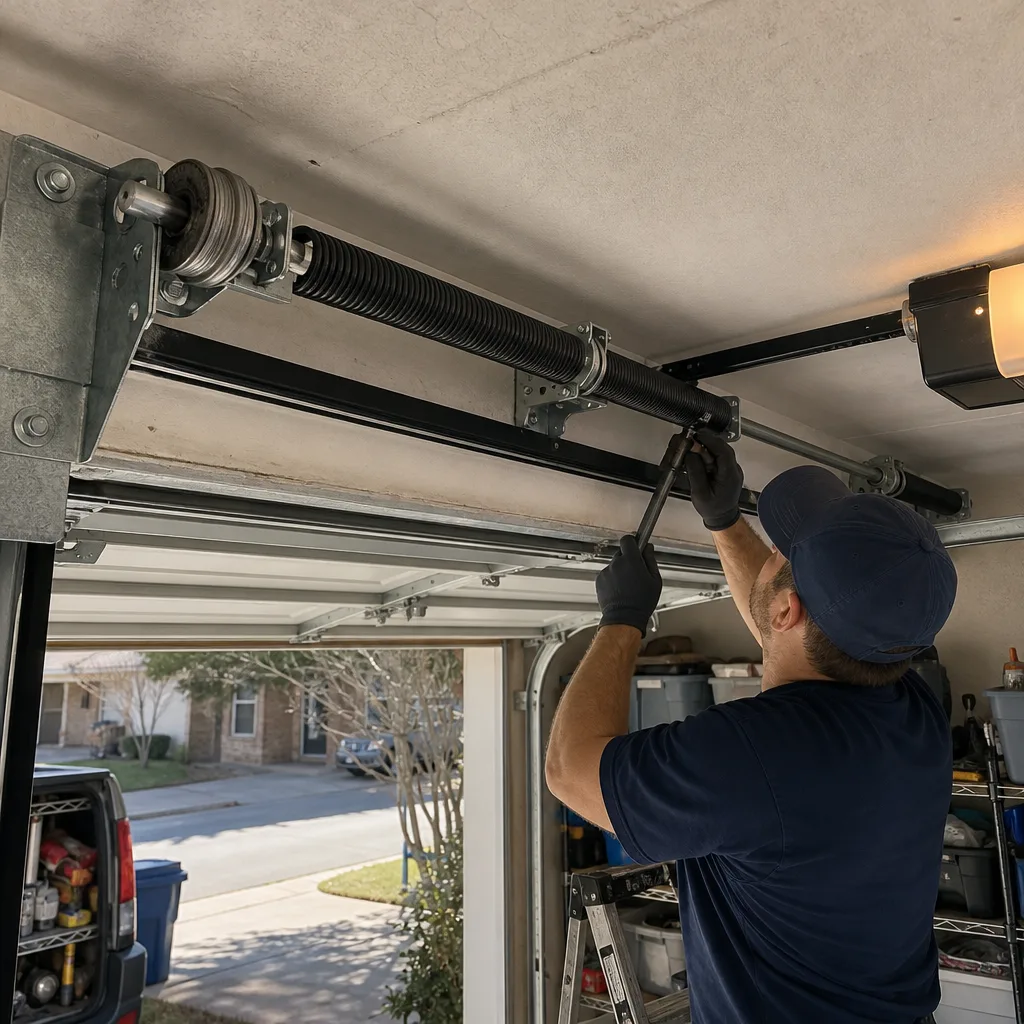
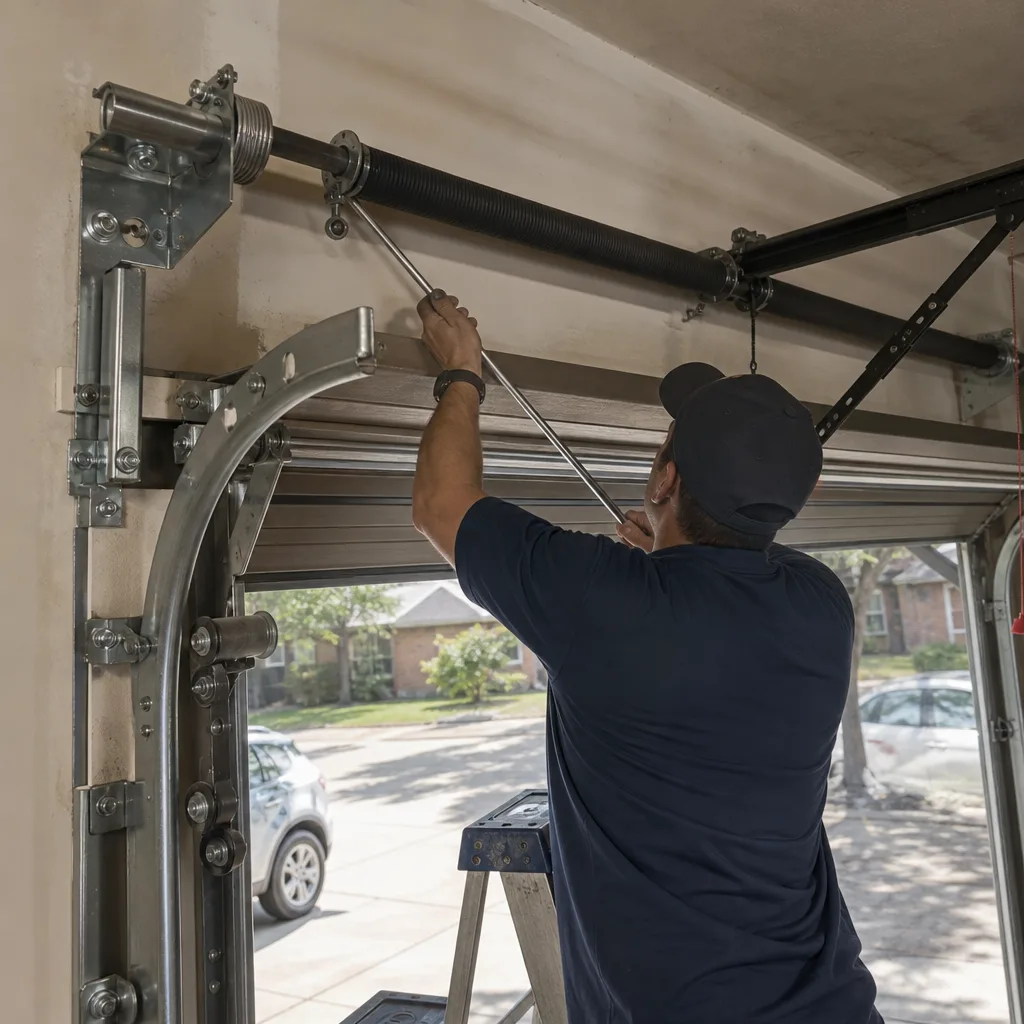
See the difference
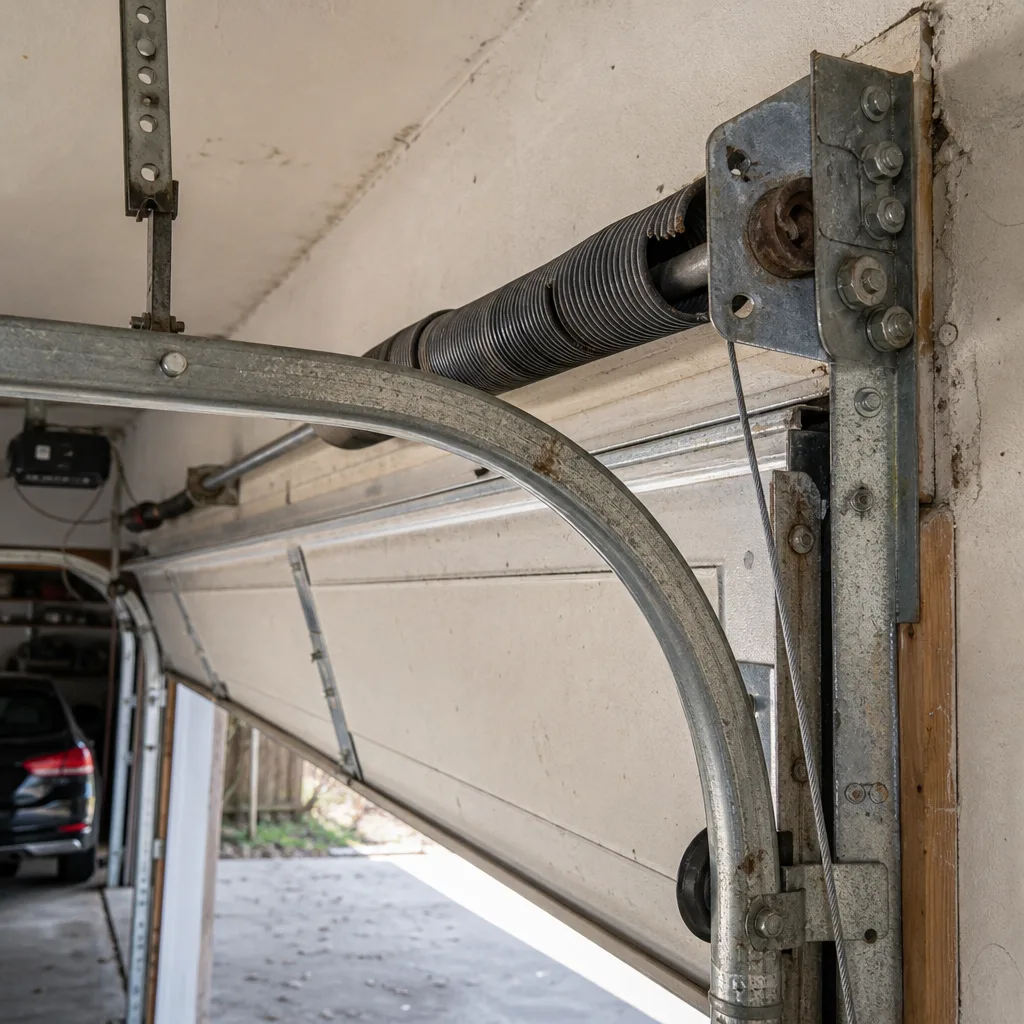 Before
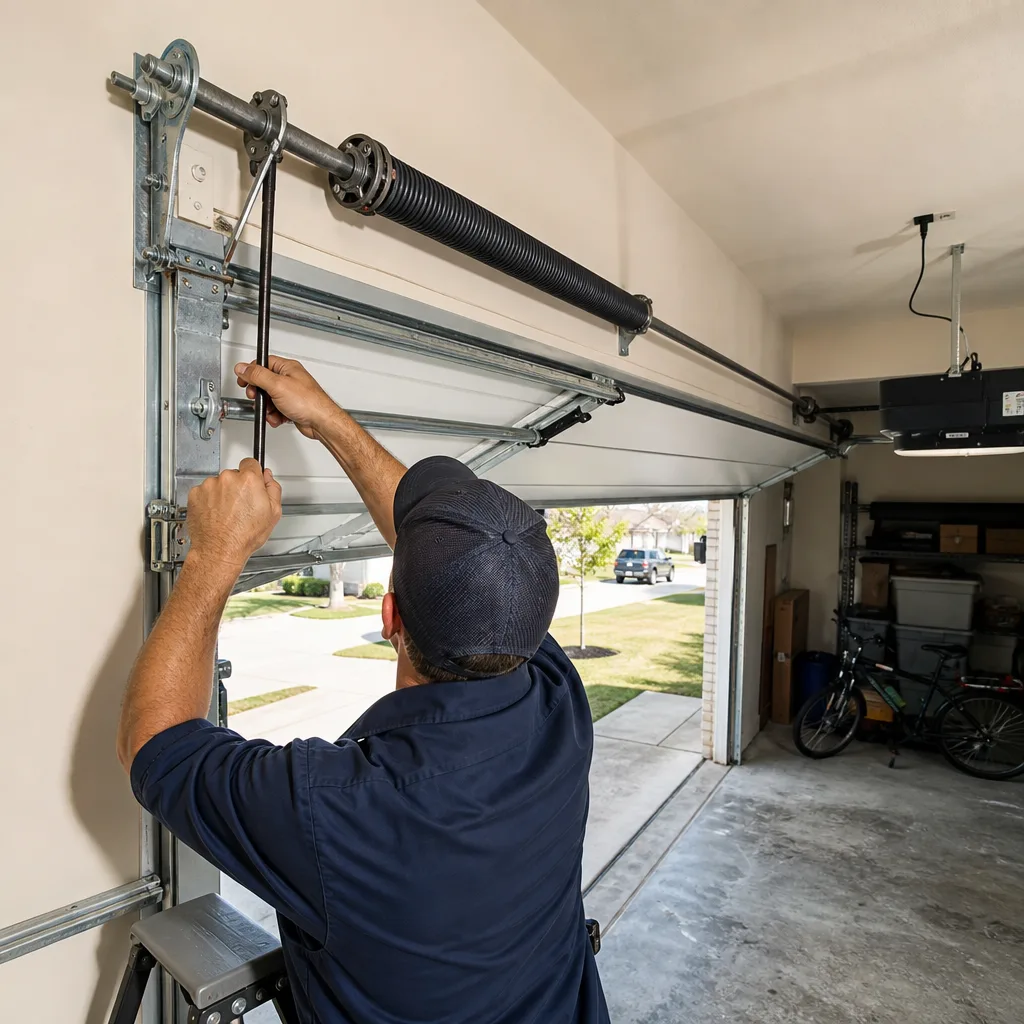 After
After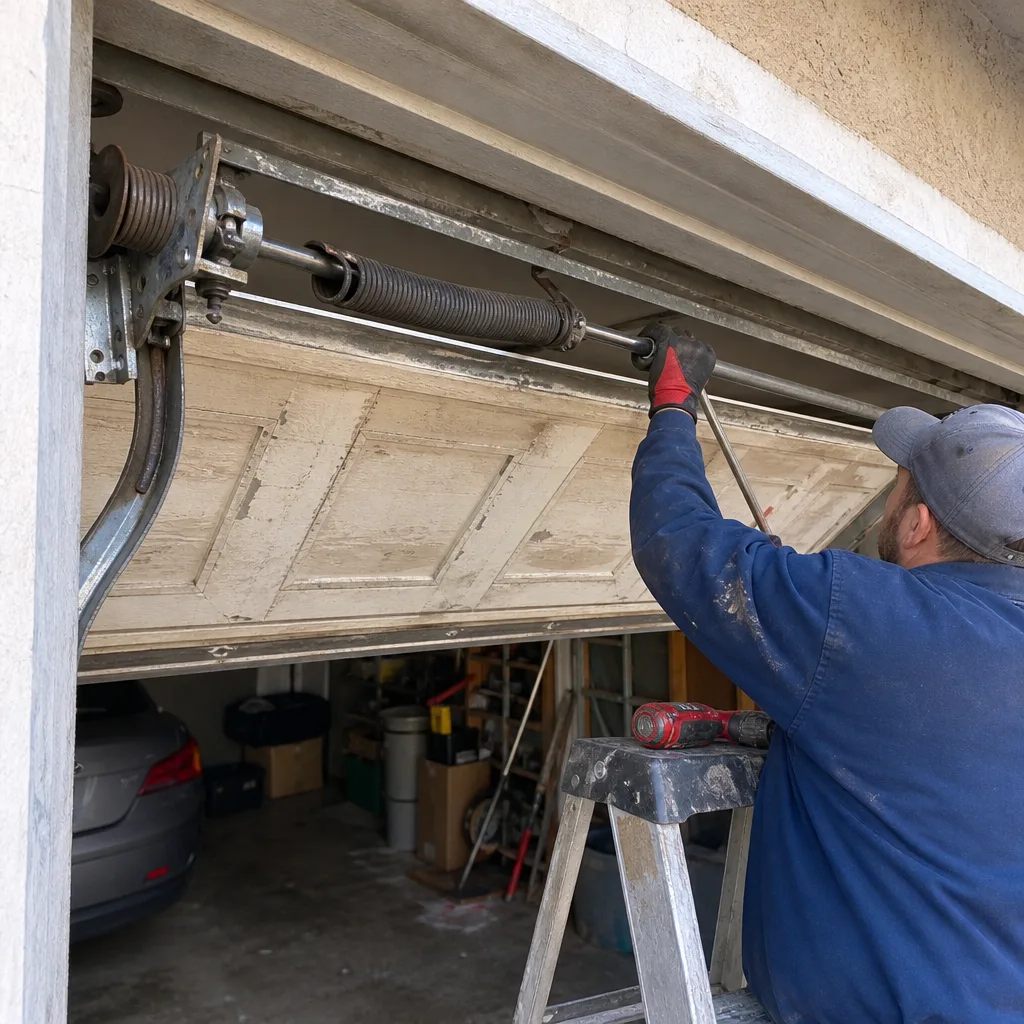 Before
 After
After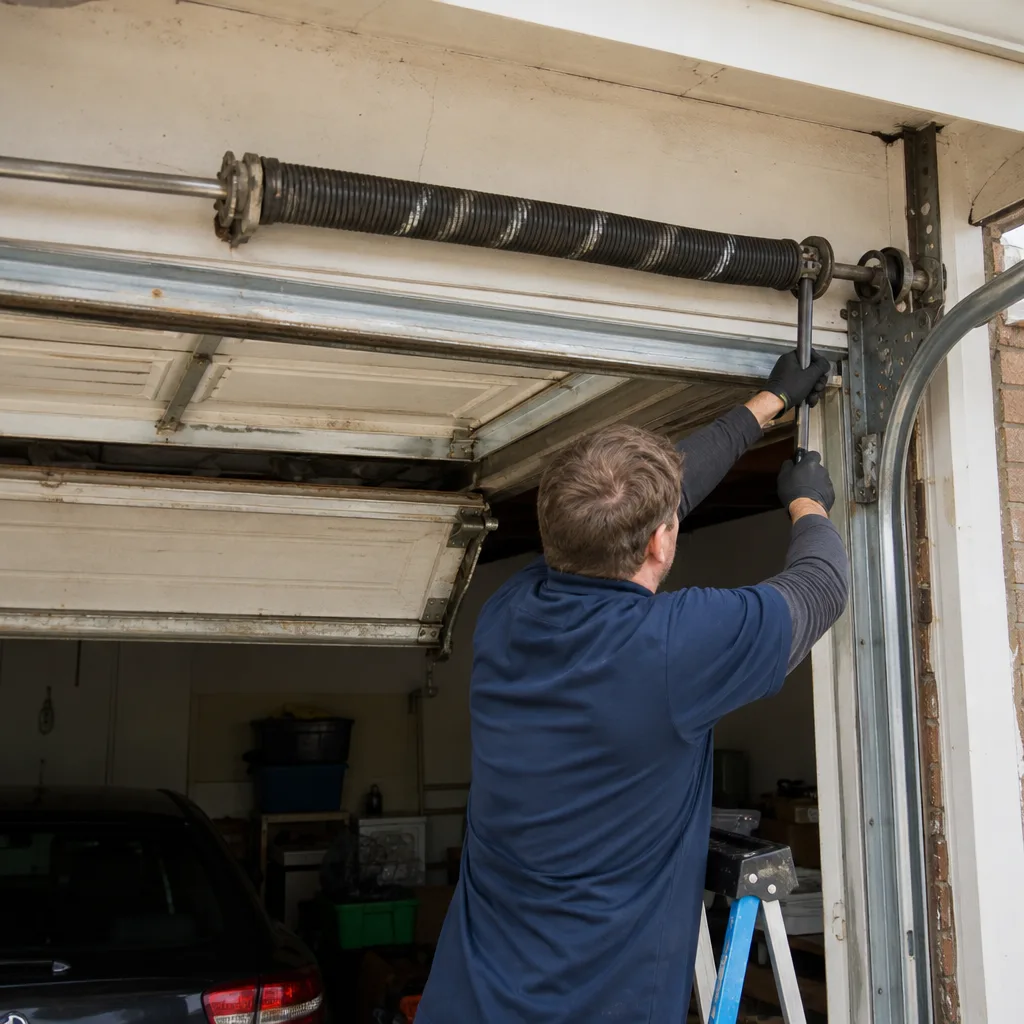 Before
 After
After